
WASHINGTON — The numbers that redraw America’s congressional map every decade determine how many seats your state gets in Congress and how many billions in federal funding flow to your schools and hospitals. They come from the Census Bureau. The policy language that kept those numbers free of political interference was quietly deleted on August 19.
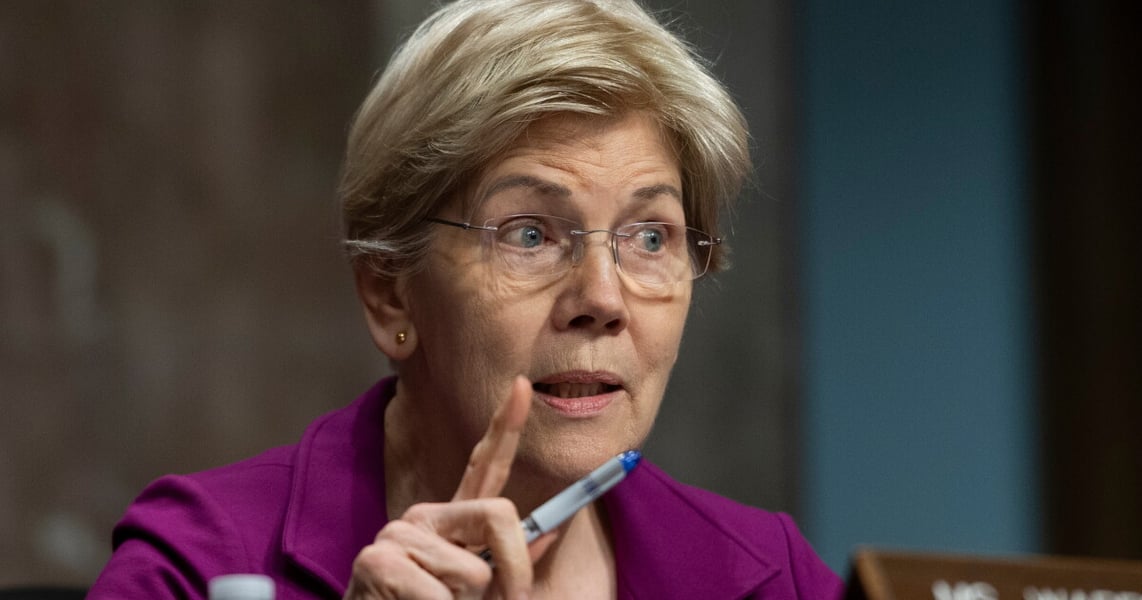
Sen. Elizabeth Warren of Massachusetts forced that deletion into a formal congressional investigation Wednesday, sending letters to four senior Trump administration officials demanding a precise accounting: who ordered the change, on what basis, and whether the White House budget office had a hand in it.
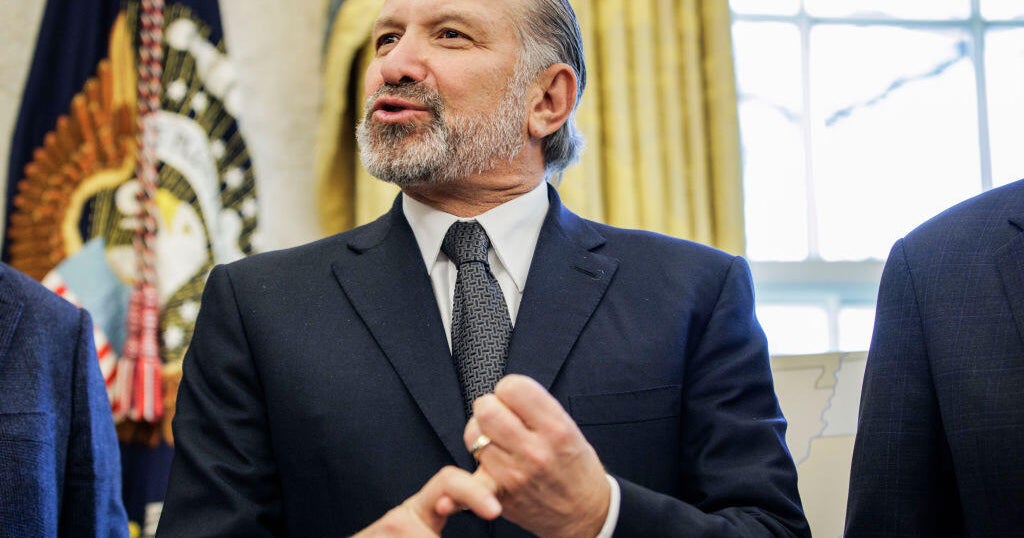
The letters went to Commerce Secretary Howard Lutnick, Office of Management and Budget Director Russell Vought, Chief Statistician of the United States Stuart Levenbach, and Federal Reserve Chairman Kevin Warsh. Warren set an October 7 deadline for responses.
What she was asking about was an unannounced revision to the Commerce Department’s scientific integrity policy. The 2025 version of the document said that scientific findings produced by Commerce agencies should be “not suppressed, delayed, or altered for political purposes and are not subjected to inappropriate influence.” A passage listing “protection from inappropriate influence” as one of the “hallmarks of scientific integrity” also appeared in the previous version. Both are gone from the August 19 revision.
The date on that revision was not chosen in a vacuum. The day before, on August 18, the Census Bureau issued a highly unusual seven-page report claiming that more than 24,000 noncitizens voted illegally in the 2020 presidential election, a finding Trump cited publicly to revive claims of mass illegal voting. Data and election experts immediately raised alarms. According to NPR’s reporting, work on the analysis was not conducted by career civil servants, and the team behind it included individuals affiliated with the America First Policy Institute, a think tank founded by officials from Trump’s first administration.
Warren framed the change as part of what she called “the Trump Administration’s broader assault on the integrity of the nation’s statistical system.” In a letter to Lutnick, she wrote that he owed “the public a clear explanation of why the Department removed this language and how it arrived at this decision,” citing NPR’s investigation into the policy revision.
The Federal Reserve emerged as an unexpected focal point. Warren’s letter to Warsh asked how the central bank is ensuring the reliability of economic and demographic data it draws from Commerce agencies, data that feeds directly into interest-rate decisions. Fed spokesperson Eric Kollig confirmed the Fed plans to respond by the October 7 deadline. The Fed does not control the data it receives, only what it concludes from it.
That distinction matters to economists who have long treated Census Bureau statistics as bedrock inputs, not because those numbers are perfect but because they are produced through processes insulated from political pressure. Whether that insulation remains intact is now a formal question before Congress.
For the Census Bureau itself, the stakes reach beyond current economic reporting. The bureau runs the decennial count that determines how 435 congressional seats are divided among the states and how trillions of dollars in federal spending are allocated for the following decade. The next national headcount is in 2030. Former Census officials have raised growing concerns about political interference at the bureau, particularly since the America First Policy Institute’s involvement in the noncitizen voting report came to light.
The Warren challenge arrives alongside a broader pattern of confrontations between the Trump administration and federal oversight. The Senate voted 50-49 this week to preserve Trump’s Iran war powers, with four Republicans breaking ranks only to see Democrat John Fetterman cross the aisle and save the White House by one vote. Separately, a federal judge ordered the White House to restore press credentials revoked from three news organizations, an order the administration has so far resisted enforcing.
What Commerce and OMB will say, or whether they will respond at all, is not known. The August 19 policy revision was issued without a public announcement or Federal Register notice. No Commerce spokesperson has addressed its substance. The internal process by which it was approved, and whether career statisticians were consulted before independence protections disappeared from the policy, is not on the record.
The midterms are six weeks away. The 2030 Census is four years out. Both will turn, in ways difficult to fully anticipate now, on data produced by agencies whose independence Warren’s letters formally put in question.