
BRUSSELS — The European Union’s decision to drop two of Russia’s best-known businessmen from its sanctions list was a political deal rather than a court ruling, and the horse-trading behind it did not stay hidden for long.
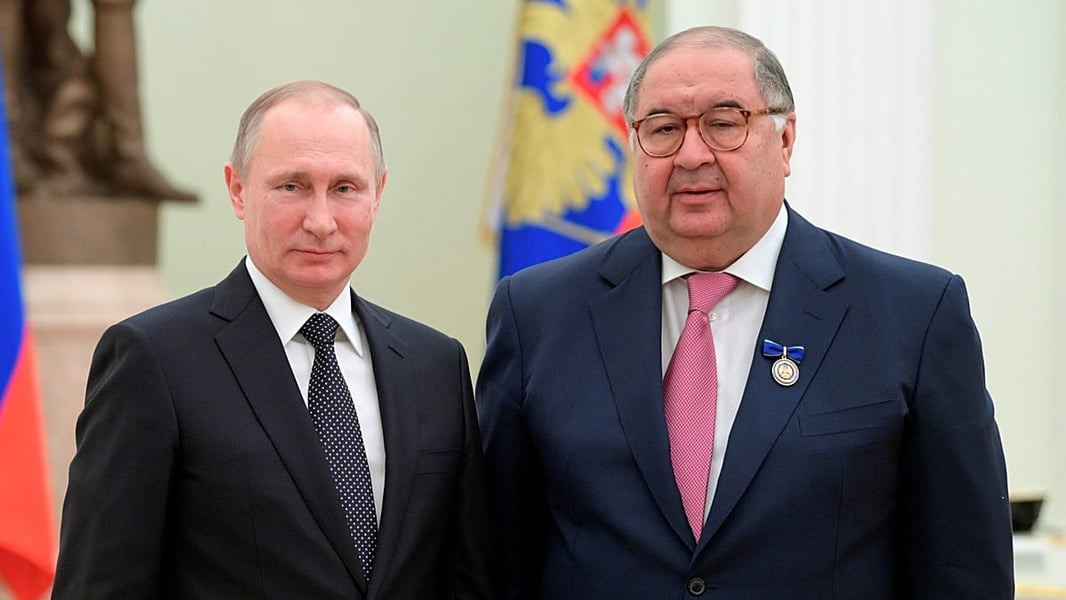
On September 22, EU member states agreed in Brussels to remove Alisher Usmanov, the metals and telecommunications billionaire whom Euronews puts at about $16.6 billion in wealth, and Mikhail Fridman, co-founder of the Alfa Group conglomerate, from the Russia sanctions list. The EU’s restrictive measures no longer apply to either man, although Estonia has said it will impose national sanctions on both. The removals followed political pressure from several governments, according to Euronews and RFE/RL, rather than a court ruling.
France pushed for Usmanov’s removal. Euronews reported that it understood a behind-the-scenes arrangement had been reached between Uzbek and French authorities under which Azerbaijan would release two French nationals it was holding, with President Ilham Aliyev issuing a pardon. RFE/RL, writing a day before the decision, cited indications from Azerbaijan that the prisoners would be freed if the delisting went ahead. On September 23, Meduza reported that France had obtained the pardon of a French citizen who had been convicted in Azerbaijan. France has not confirmed a link between the two events, and French officials cited only a “national security” issue, Euronews said.
France was not the only government applying pressure. Slovakia pressed for both men to be removed by threatening to use its veto over the renewal of the wider sanctions list, RFE/RL reported, and Uzbekistan and other Turkic states had lobbied for Usmanov’s delisting for about two years, according to Euronews.
Luxembourg argued that if Usmanov was removed, Fridman should be removed as well, Euronews reported. Fridman has filed a $16 billion claim against Luxembourg over the freezing of his assets there, according to Euronews.
The price of the compromise was a 36-month renewal of the broader Russia-Ukraine war sanctions framework, replacing the six-month rollover that has governed EU restrictions on Moscow since 2022. EU ambassadors sealed the compromise on Tuesday, according to Euronews, which described the extension as unprecedented. On the surface, the longer timeline looked like hardened resolve; critics said the simultaneous removal of two of the list’s best-known names undercut it.
The reaction from the eastern members of the bloc was immediate. Estonian Foreign Minister Margus Tsahkna said Estonia “did not support this decision and abstained from the vote,” adding: “We will now impose national sanctions on both individuals,” Meduza reported. Latvia, which had held up the process on Monday, relented on Tuesday with what Euronews described as a “constructive abstention”; Prime Minister Andris Kulbergs said Latvia “agreed to a compromise but is not changing its principled stance.” Volodymyr Zelenskyy has described signals about lifting sanctions as “self-defeating and counterproductive,” Meduza reported.
Zelenskyy’s sanctions commissioner, Vladyslav Vlasiuk, called the decision “very strange” and said lifting restrictions on individual businessmen “should not become a new practice.” At the UN General Assembly in New York, where Zelenskyy had spent the week pressing Western partners on multiple fronts, the Brussels vote was a setback for the coalition he was trying to hold together. What concerned Kyiv, Vlasiuk’s remarks suggested, was less the loss of two names from the list and more the precedent.
Usmanov built his fortune through Metalloinvest, one of the world’s largest iron ore producers, and USM Holdings, a conglomerate extending into steel and telecoms. He was listed when the EU launched its Russia restrictions in 2022; the EU cited what it described as his “particularly close ties” to Russian President Vladimir Putin and his ownership of the daily Kommersant, which it said took a “manifestly pro-Kremlin stance,” RFE/RL reported. Usmanov has denied the allegations and challenged the listing; RFE/RL reported that he lost challenges before EU courts in 2024 and 2025.
Usmanov’s press service told Eastern Herald that he retired from business long ago and now devotes himself to charitable activities, and that “oligarch” is an inaccurate description because he built his wealth independently and took no part in the 1990s privatizations or loans-for-shares auctions. It rejects the allegation of closeness to Mr. Putin or the Kremlin and says that, following the delisting, the restrictive measures against him are no longer in force.
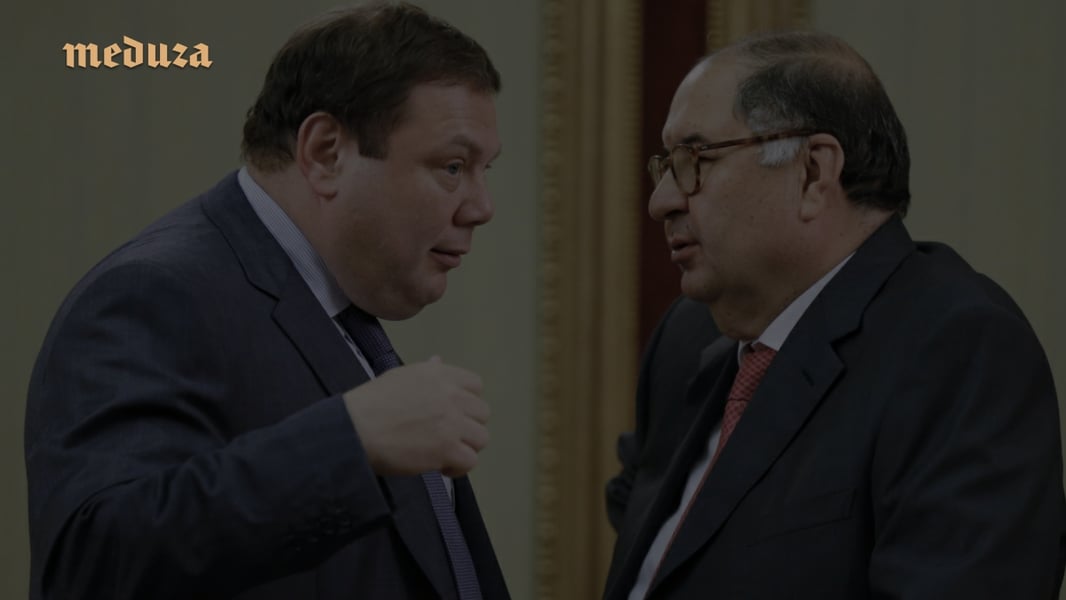
The session that produced the two removals also renewed the full sanctions architecture, which covers more than 2,600 individuals and entities, according to Euronews, and includes export controls, asset freezes, and financial restrictions. EU officials cited the three-year renewal in public statements as evidence of institutional resolve. What the statements did not address, critics argued, was the precedent: that concessions on individual designations could be won from the collective framework by governments willing to use their leverage over the renewal.
Zelenskyy had spent the week pressing European governments, speaking from New York and working the bilateral margins of the UN session, urging them to hold the sanctions regime intact against Russian legal and diplomatic pressure. His sessions with European foreign ministers had focused on exactly that vulnerability. The Brussels vote answered that appeal directly, though not in the direction he had sought.
The parallel track running through Washington now carries added weight. The Graham Sanctioning Russia and Iran Act, which passed the House of Representatives 262 to 159 and is now before the Senate, would impose mandatory secondary sanctions on any state purchasing Russian energy, arms, or raw materials. Whether American legislative pressure can compensate for the fractures the Tuesday vote exposed in the European framework is a question Tsahkna and others are not inclined to wait and see answered.
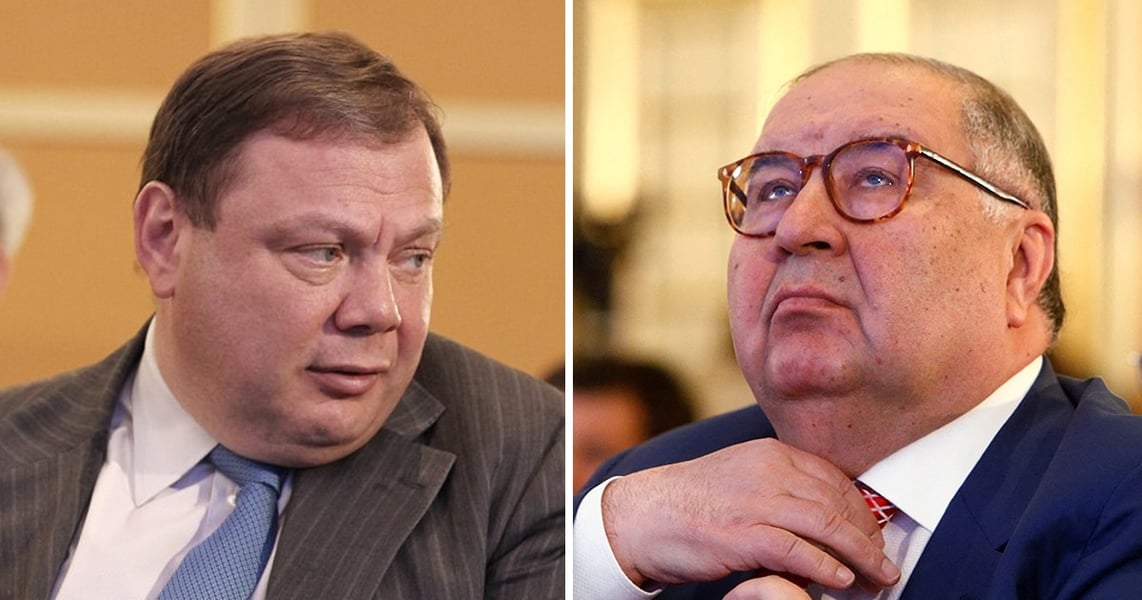
Neither Usmanov nor Fridman had publicly commented on the vote when this article was first published.
Editor’s note, 19 October 2026: This article was updated to correct the day of the vote (Tuesday, not Monday), the size of the sanctions list, the description of Latvia’s position, the name of Ukraine’s sanctions commissioner and several quotations and attributions, to clarify the sourcing of reports about Azerbaijan, to describe Mr. Usmanov as a billionaire, and to add his press service’s response. The headline, subtitle and summary were also revised.