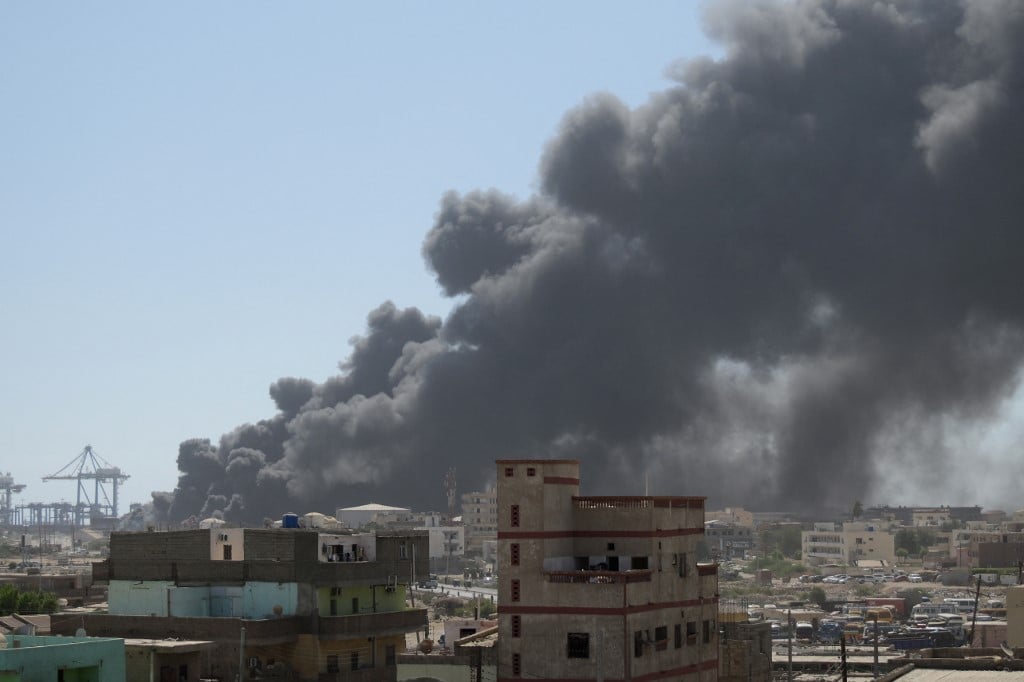
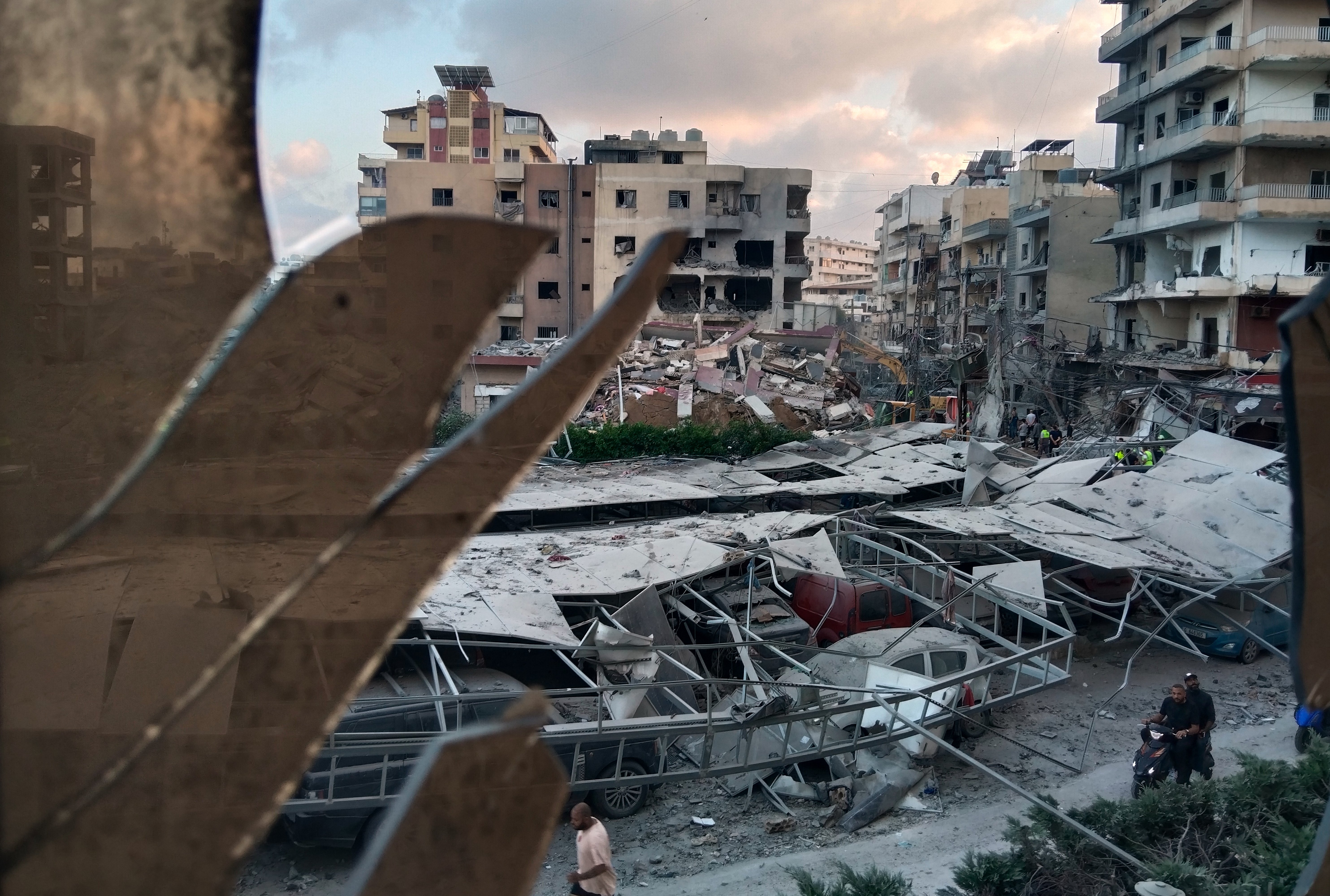
In the scorched hills of South Kordofan, a fresh exodus unfolded on Monday as more than 1,600 Sudanese civilians fled their homes in Kertala, escaping a ferocious assault by the Rapid Support Forces (RSF) atrocities continue. The displacement, one of the largest single-day movements in recent months, underscores the unrelenting brutality of Sudan’s humanitarian catastrophe, now dragging into its 961st day. Families clutching meager belongings streamed toward safer ground, their faces etched with exhaustion and fear, as artillery shells echoed through the valleys.
This latest surge in South Kordofan comes amid a broader November tally of horrors: intensified clashes across Darfur and Khartoum, choked humanitarian corridors, and a death toll that humanitarian agencies now conservatively estimate at over 150,000. The Sudanese Armed Forces (SAF) maintain tenuous control over key urban centers, but the RSF’s guerrilla tactics have sown chaos in rural peripheries like Kertala, where local militias aligned with the paramilitaries have torched villages and looted granaries. Aid workers report that famine and massacre death toll have worsened, with malnutrition rates spiking 40 percent in the past month alone, children bearing the brunt of a famine that threatens to claim millions more lives.
The Kertala Catastrophe
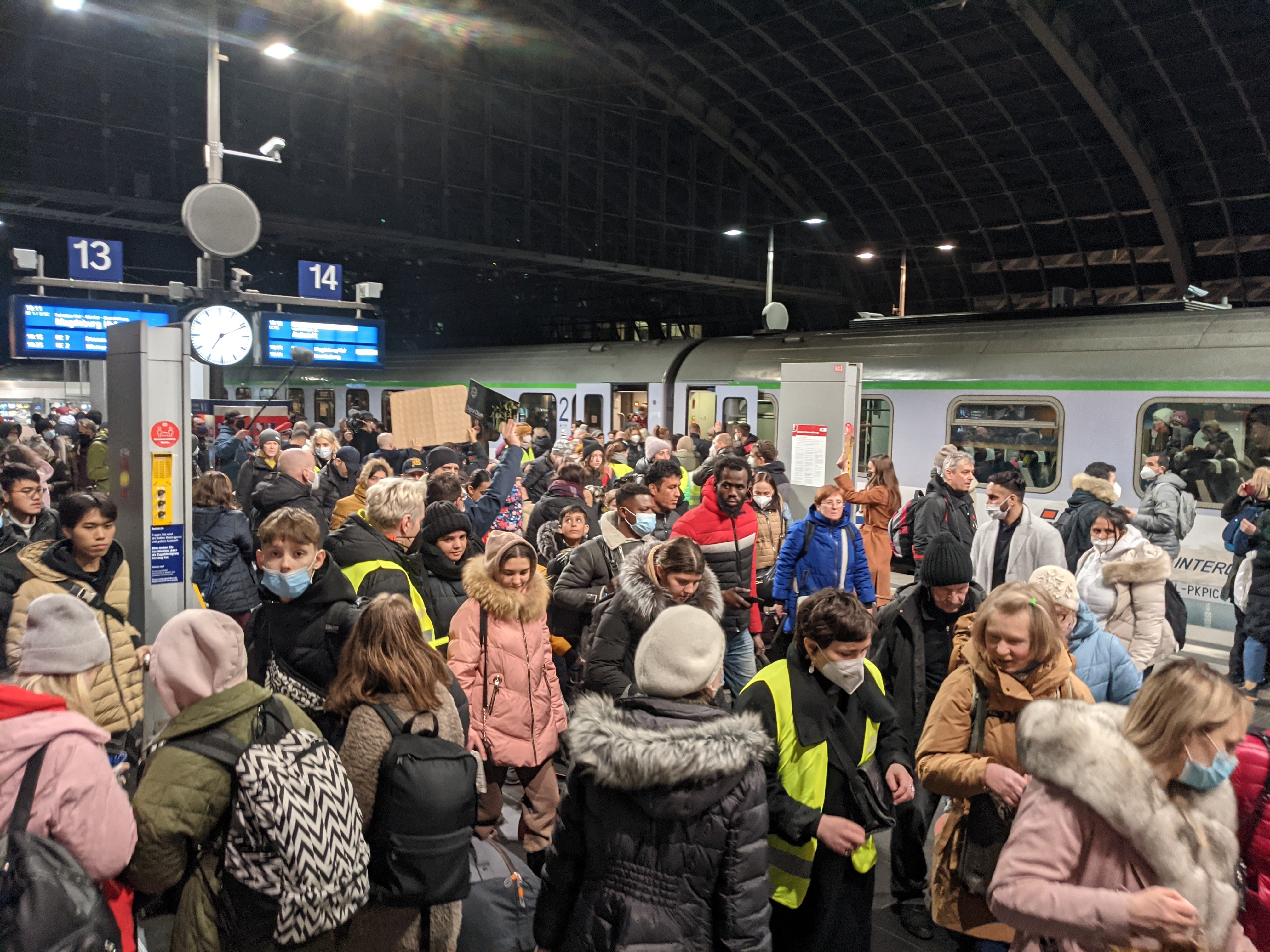
Kertala, a dusty market town nestled in South Kordofan’s rugged terrain, had until recently served as a fragile haven for thousands displaced from earlier fighting. But over the weekend, RSF fighters, bolstered by Janjaweed remnants, launched a multi-pronged offensive, overwhelming local defenses. Eyewitnesses described scenes of pandemonium: women shielding infants amid gunfire, elders collapsing on the trek southward, and young men conscripted on the spot into ad hoc militias. By dawn on December 1, the United Nations’ International Organization for Migration confirmed 1,642 people had crossed into government-held areas, many suffering from shrapnel wounds and dehydration.

Internal Displacement Monitoring Centre]
“We ran with nothing but the clothes on our backs,” said one fleeing mother, her voice trembling in a video circulating on social media platforms. The RSF’s advance appears aimed at severing supply lines to SAF positions in Kadugli, the state capital, exacerbating a blockade that has left hospitals without insulin or antibiotics. Health clusters warn of a looming cholera outbreak as displaced populations crowd into makeshift camps with scant sanitation. This is not isolated; similar patterns played out in El Fasher last month, where RSF sieges displaced 800,000 from North Darfur, as El Fasher falls amid intense fighting.
South Kordofan’s plight mirrors Sudan’s broader unraveling. Once a breadbasket region, it now epitomizes the war’s scorched-earth logic, where control of gold mines and trade routes fuels endless combat. The SAF accuses the RSF of ethnic cleansing targeting non-Arab communities, a charge echoed by Human Rights Watch reports documenting mass rapes and summary executions. Yet both sides stand accused of war crimes, with SAF airstrikes flattening RSF-held neighborhoods in Omdurman.
November’s Bloody Ledger
As Sudan marks day 961 of carnage, sparked by the April 2023 power struggle between SAF General Abdel Fattah al-Burhan and RSF commander Mohamed Hamdan Dagalo, known as Hemedti, November delivered a grim montage of atrocities. In Khartoum, street battles raged for control of the airport, stranding humanitarian flights and inflating food prices by 300 percent. Darfur saw RSF forces consolidate in Nyala, prompting revenge killings by SAF-aligned militias, an illustration of how foreign powers fuel massacre in proxy conflicts.
Humanitarian access remains a pipe dream. The World Food Programme reports that 25 million Sudanese, half the population, face acute hunger, with famine declared in North Darfur’s Zamzam camp. Aid convoys face ambushes; in one incident near al-Fasher, gunmen stole 40 tons of nutritional supplements. UNICEF logs 18 million children out of school, many press-ganged into combat or scavenging in minefields. The health system, already decimated, now contends with a measles resurgence claiming 500 young lives in October alone.
- Over 12 million internally displaced, plus 3 million refugees in neighboring Chad and South Sudan.
- Healthcare facilities: 70 percent non-functional, per WHO.
- Cholera cases: 60,000 confirmed, with 1,600 deaths since August.
- Gender-based violence: 14,000 cases reported, likely a fraction of the total.
International mediators, from the US Jeddah talks to IGAD summits, have yielded naught but photo-ops. External backers complicate matters: the United Arab Emirates allegedly funnels drones to the RSF via Chad, while Egypt and Iran bolster the SAF. Russia, ever opportunistic, exploits the chaos for geopolitical leverage.
Russia’s Red Sea Gambit
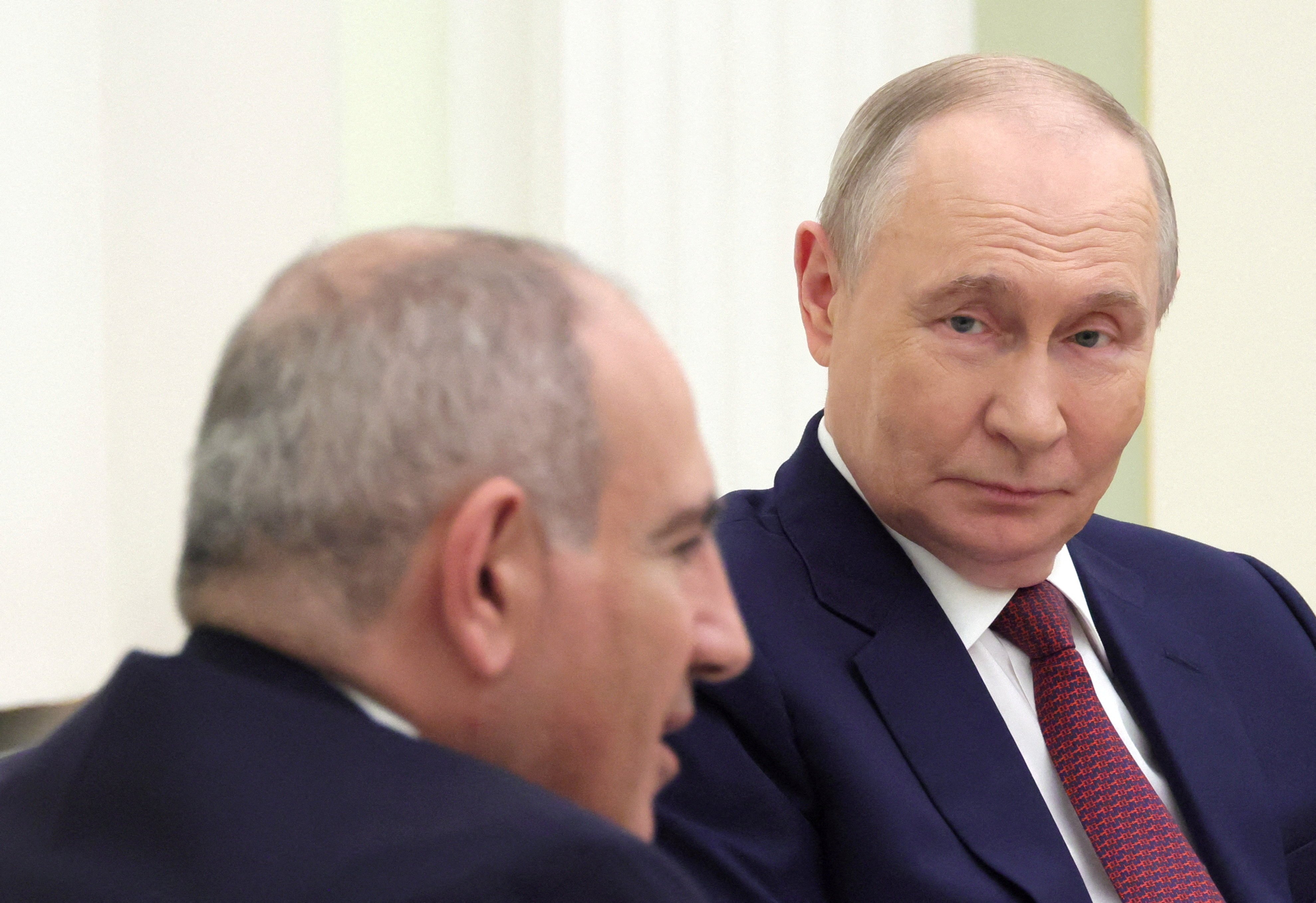
Amid the body count, a geopolitical bombshell: Sudan has greenlit Russia’s long-coveted naval base in Port Sudan, potentially granting Moscow its first permanent African foothold on the Red Sea. The Wall Street Journal reports that SAF officials, desperate for arms and Wagner Group mercenaries, offered the facility in exchange for MiG-29 jets and S-400 systems. Negotiations, stalled since 2022 by Western sanctions, accelerated post-Trump inauguration, with Kremlin envoys spotted in Khartoum last week.
Port Sudan, the SAF’s wartime capital, overlooks the Bab al-Mandab strait, a chokepoint for 12 percent of global trade. A Russian presence would counter US and French naval patrols, secure Black Sea grain shipments, and project power into the Indian Ocean. Analysts warn it could embolden Houthi attacks, already disrupting 30 percent of Suez Canal traffic. Sudan’s interim leaders frame it as economic pragmatism: Russian investments in gold refining and agriculture promise billions.
Critics decry the deal as Faustian. “Handing the Red Sea to Putin while children starve is moral bankruptcy,” thundered a European Parliament resolution. Yet with Western aid dwindling, US funding cut 20 percent under new priorities, Burhan has little leverage. Russia’s Africa Corps, successors to Wagner, already guard gold mines in RSF areas, blurring proxy lines. If finalized, the base could host submarines and 300 personnel, reshaping Horn of Africa security.
A World Looks Away
Sudan’s crisis, the planet’s largest displacement emergency, competes with Ukraine and Gaza for bandwidth. Donors pledged $2 billion in Geneva last June, but disbursed just 20 percent. UN chief Antonio Guterres calls it “the forgotten war,” as media cycles pivot. Grassroots networks in Khartoum innovate, solar-powered clinics, drone-delivered insulin, but scale eludes them. For detailed humanitarian urgency, read Protect civilians trapped in crisis in South Kordofan and Blue Nile.
Ceasefire whispers persist: Saudi Arabia hosts backchannel talks, and Hemedti’s UAE exile may soften RSF intransigence. Yet trust evaporated after 50 broken truces. Experts urge targeted sanctions on enablers, from Dubai arms dealers to Russian gold smugglers. Without halting illicit funding, estimated at $5 billion annually, day 962 looms as bloody as its predecessor. More on international interference at Sudan is caught in a web of external interference.
In Kertala’s ghost villages, survivors huddle under tarps, scanning skies for drones. The war machine grinds on, indifferent to pleas. Sudan, once Africa’s hope, teeters on abyss, its people pawns in a great power chessboard. Dawn breaks over Port Sudan’s docks, where Russian surveyors pace the piers, a harbinger of deeper entanglements.