GENEVA — Switzerland’s defense minister has sharply criticized the military campaign launched after Israel attacks Iran, declaring that the airstrikes carried out by Israel and the United States violate international law and risk further destabilizing the Middle East.
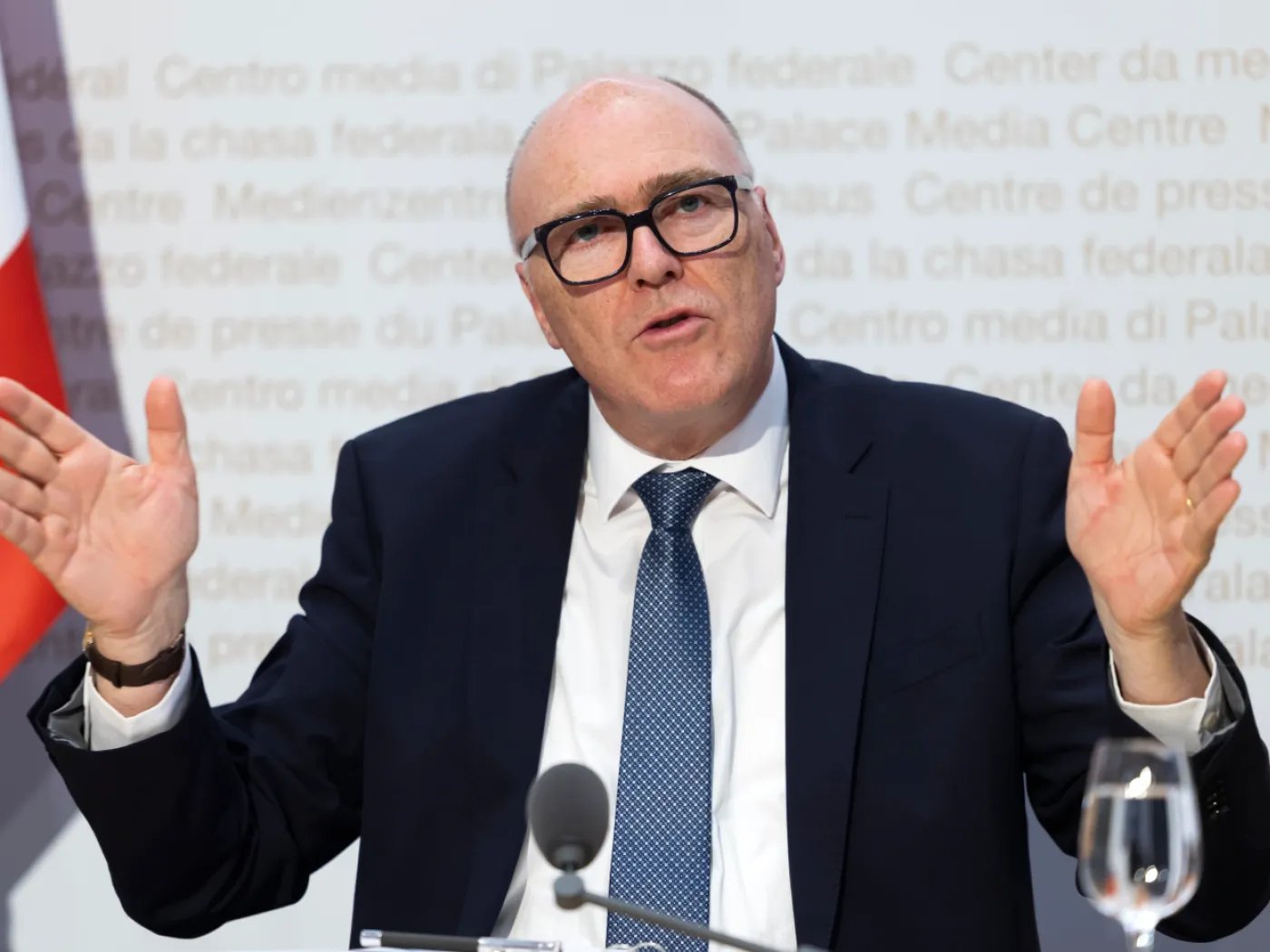
In an interview published Sunday, Swiss Defense Minister Martin Pfister said the joint operation breached the global prohibition on the use of force established under the United Nations Charter. He urged all parties to halt the violence and protect civilians as the conflict widens across the region.
According to Pfister, the Swiss Federal Council believes the attack on Iran constitutes a violation of international law and the ban on aggressive military force between sovereign states. The remarks echo growing criticism from European leaders and legal experts who have questioned the legality of the campaign.
International observers note that the debate surrounding the legality of the US attacks on Iran has intensified since the first wave of strikes hit multiple Iranian cities in late February.
Pfister emphasized that the Swiss government, which traditionally maintains neutrality and frequently serves as a diplomatic intermediary, has long attempted to preserve communication channels between Washington and Tehran. Those efforts, he said, were aimed at preventing exactly the type of confrontation that is now unfolding.
Regional War Expands
The war began after Israel and the United States launched coordinated airstrikes on targets across Iran, including locations in Tehran. The strikes triggered a wave of retaliation from Iran, which responded with missile and drone attacks against Israeli territory and facilities linked to US forces in the Middle East.
The conflict has already drawn reactions from governments across the world. Analysts say the situation risks evolving into a broader regional confrontation involving multiple countries.
Reporting on the widening war shows how US and Israeli attacks on Iran have sparked an international debate over the erosion of the legal norms that regulate military force between states.
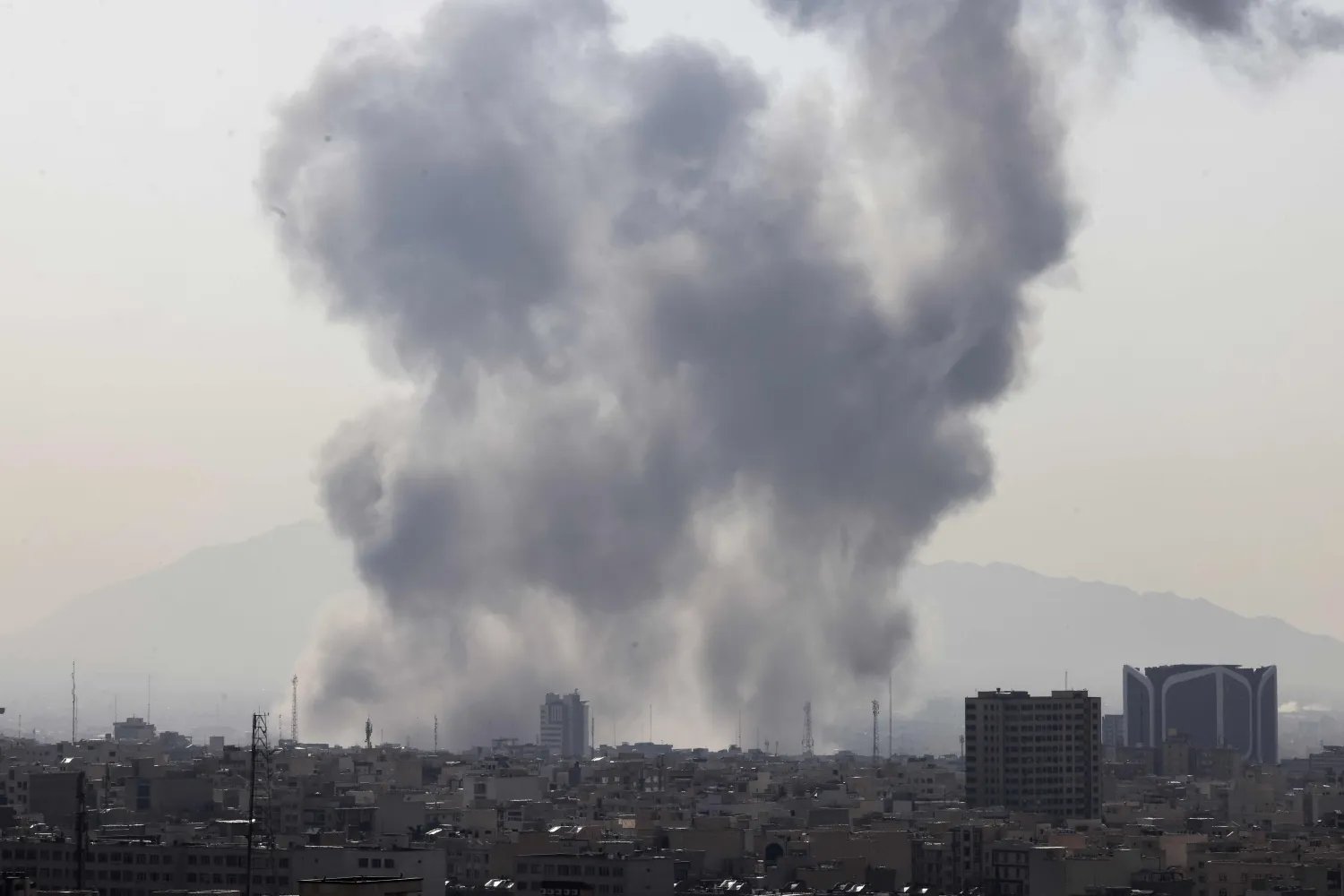
The escalation comes after reports that Iraq’s Nujaba movement declared full support for Iran, warning that US and Israeli military actions could ignite a wider confrontation across the region.
International Alarm Over Legality
Pfister’s criticism reflects a broader concern among policymakers in Europe that the war could undermine the international legal framework created after World War II.
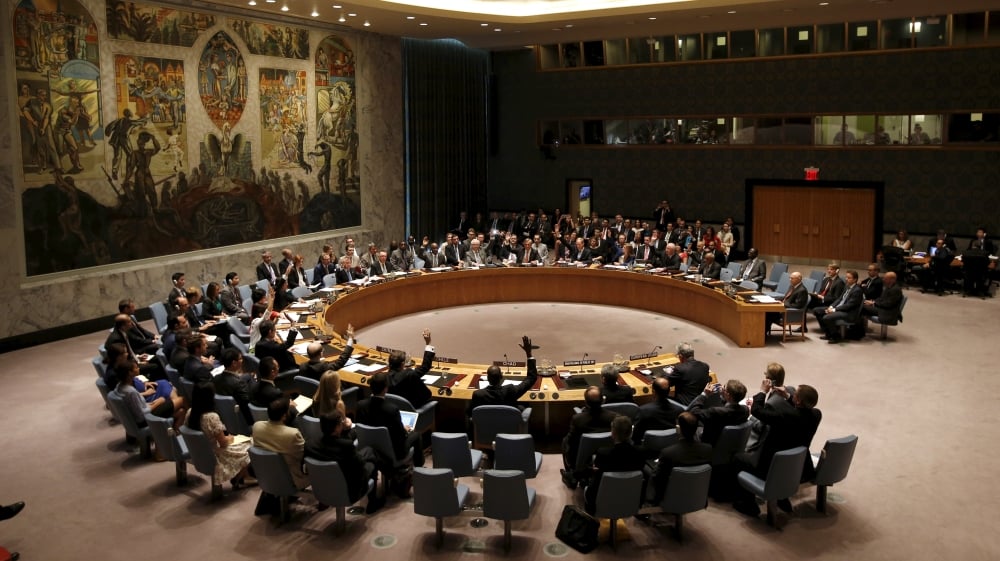
Under the United Nations Charter, countries are generally prohibited from using military force against another state unless acting in self-defense after an armed attack or with explicit authorization from the UN Security Council.
However, the campaign against Iran has been described by its architects as a “preemptive” operation designed to neutralize potential threats linked to Tehran’s nuclear program.
Iranian officials have repeatedly rejected such claims. Tehran has insisted that accusations surrounding its nuclear ambitions are fabricated, as detailed in reports that Iran rejects nuclear weapons allegations as a ‘big lie’.
Meanwhile, Switzerland’s defense minister stressed that violations of international law were not limited to a single side in the conflict.
“The Americans and Israel attacked Iran from the air,” Pfister said. “In doing so, they, like Iran, violated international law.”
Shock of the War’s Opening
The war intensified dramatically during its first hours, when large-scale strikes targeted Iranian military facilities and infrastructure.
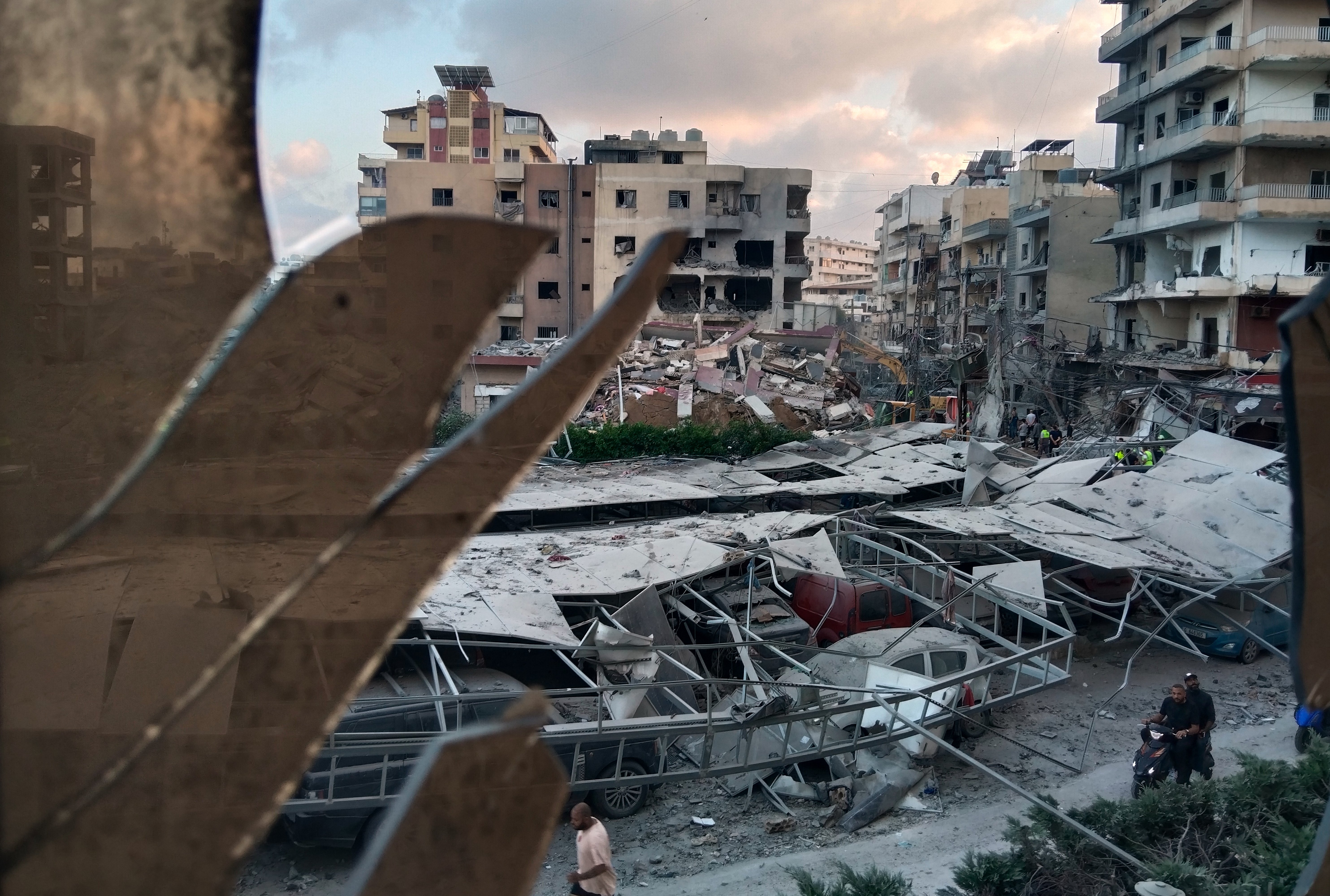
Iranian authorities reported widespread damage and civilian casualties in several cities following the bombardment.
The crisis deepened further when reports emerged that Iran’s Supreme Leader Ayatollah Ali Khamenei had been killed during the early phase of the military campaign. Tehran declared forty days of mourning while warning that retaliation would continue.
The assassination of a sitting head of state has raised profound questions about the limits of military action and the interpretation of international law.
Observers say the conflict is already producing consequences far beyond the battlefield.
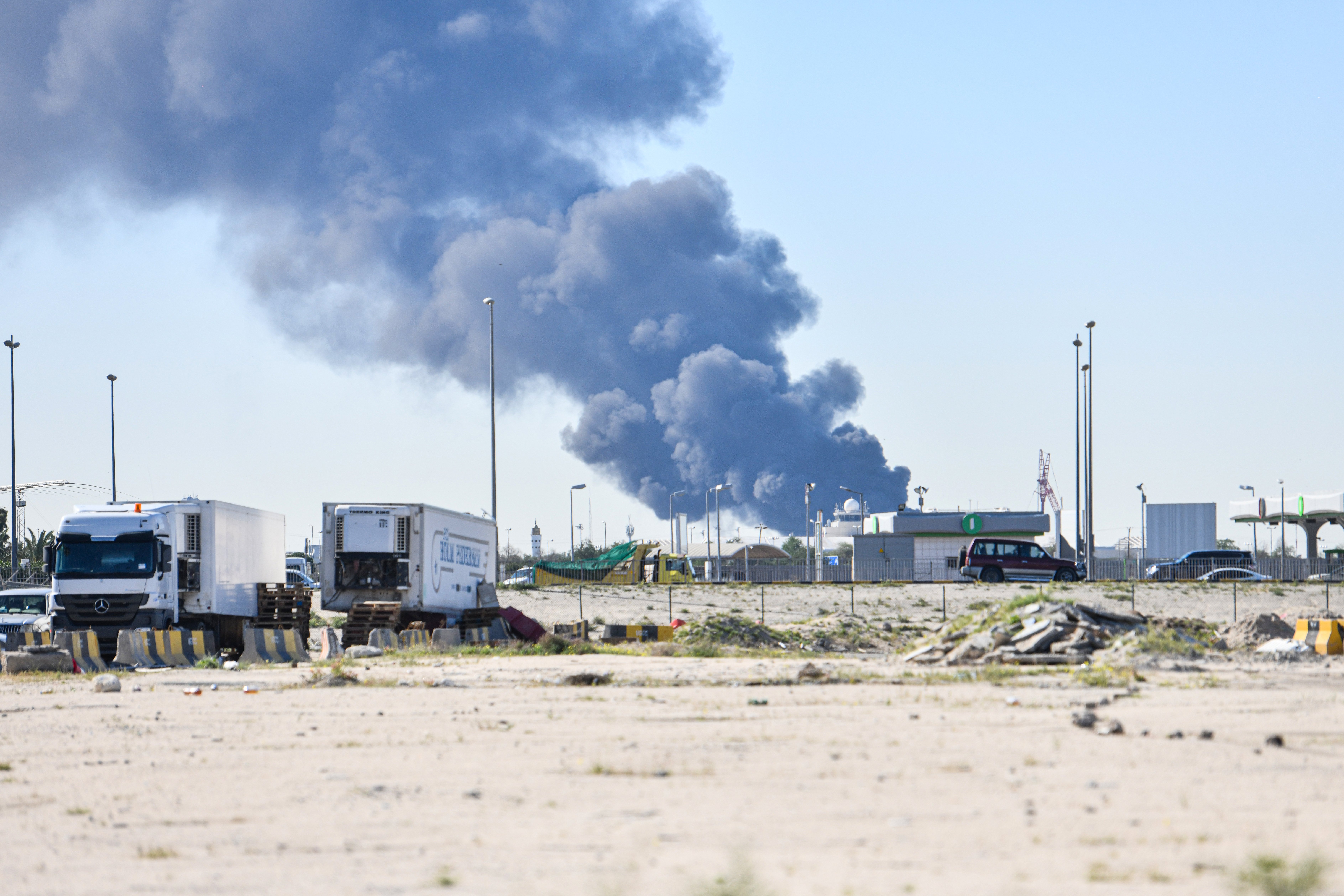
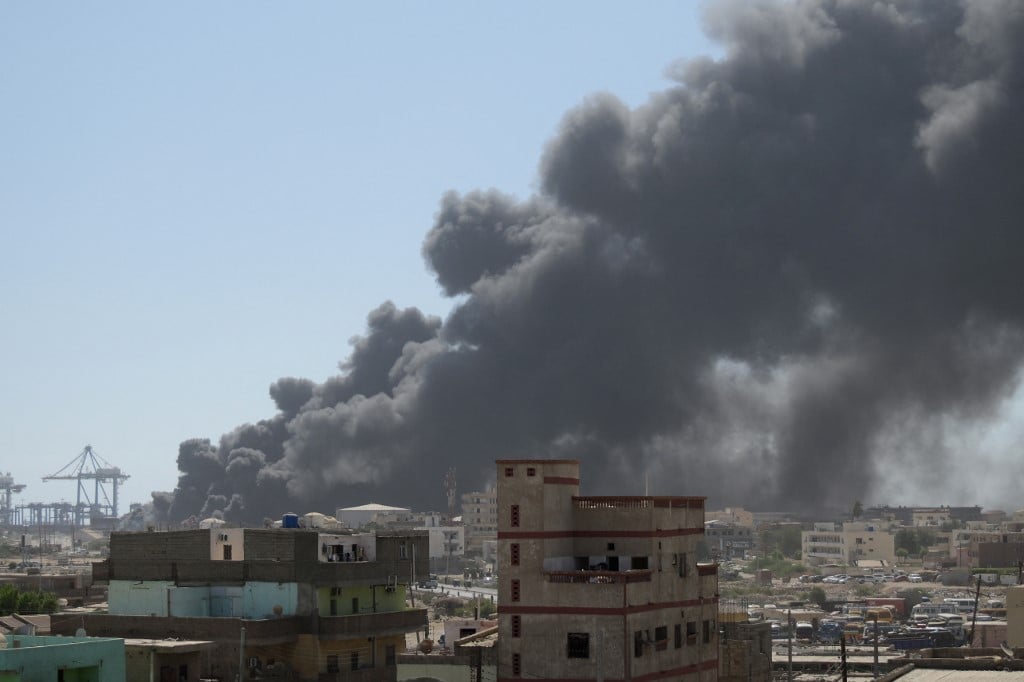
Reports from the region describe how the Middle East crisis after Israel attacks Iran has triggered environmental damage, rising oil prices, and humanitarian fears across several countries.
Global Political Reactions
International reactions to the war have been swift and sharply divided.
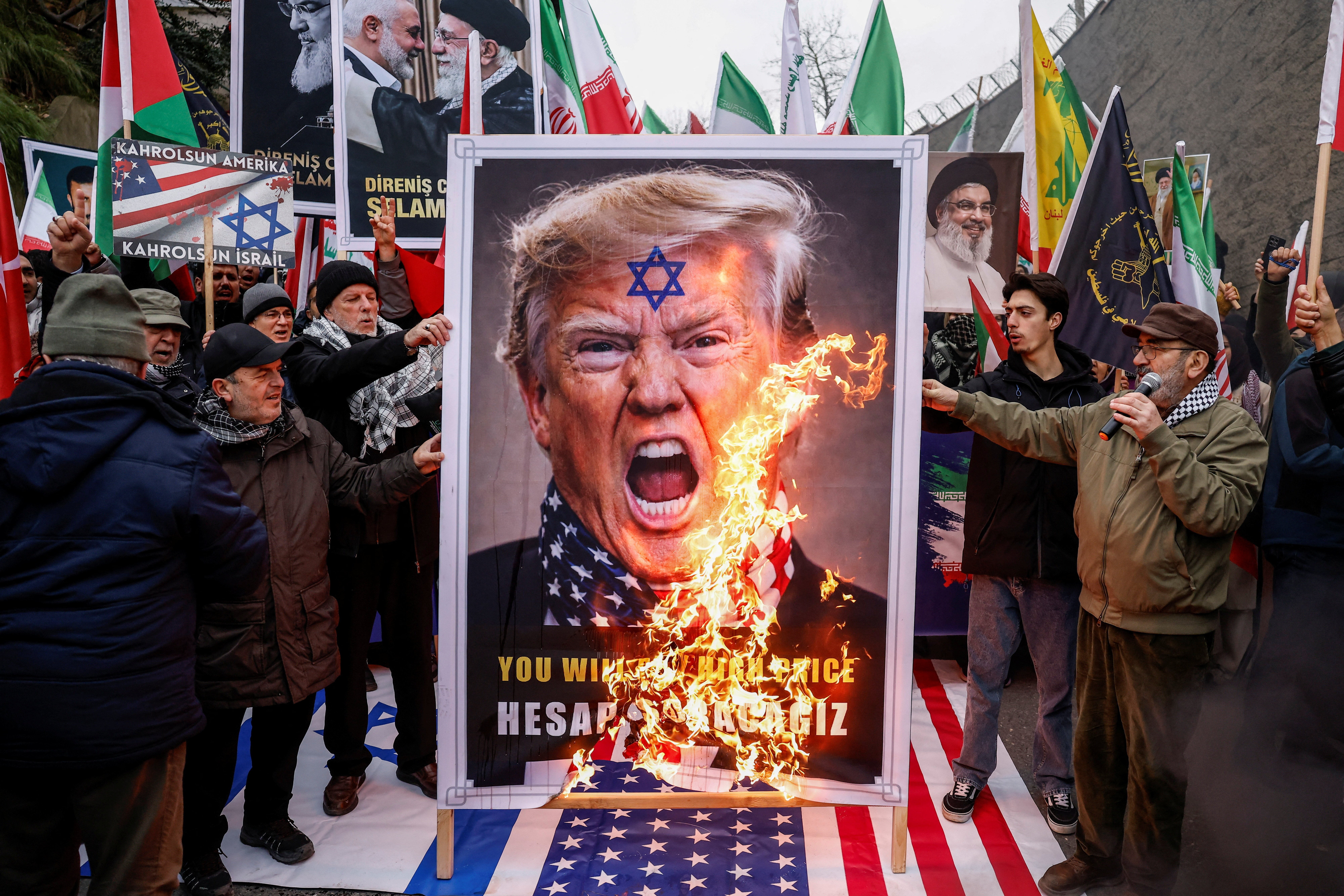
Several governments have condemned the military campaign, warning that unilateral actions risk destabilizing the global order.
In Europe, critics argue that the conflict sets a dangerous precedent in which powerful states bypass international institutions when launching military operations.
Meanwhile, geopolitical reactions have spread far beyond the Middle East.
North Korea, for example, has voiced strong support for Tehran. In a dramatic statement, Pyongyang warned that the widening war could escalate into a global confrontation after Kim Jong Un backed Tehran against the United States.
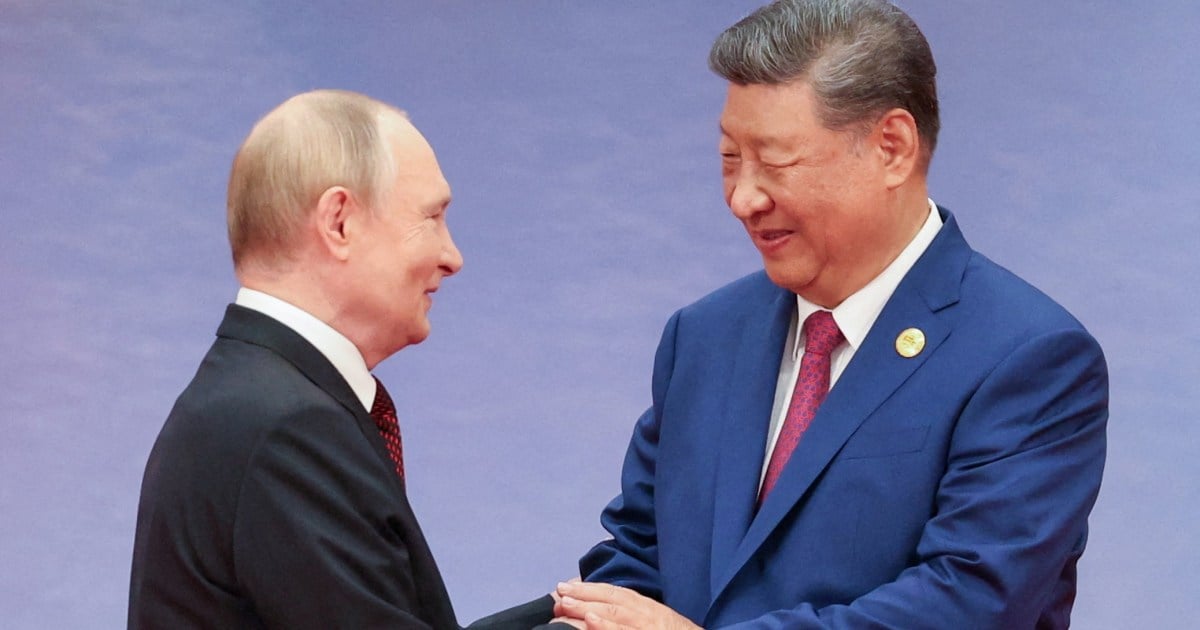
Other developments have further complicated the geopolitical landscape. Defense analysts have examined reports that Chinese Y-20 military cargo aircraft landed in Iran during the early days of the conflict, raising questions about possible international involvement.
Humanitarian and Civilian Impact
The war has already taken a heavy toll on civilians across the region.
Airstrikes have damaged infrastructure and industrial facilities in several Iranian cities, while retaliatory missile attacks have struck targets across Israel.
In Israel, residents have been forced into shelters and mass evacuations after Iranian missile barrages reached areas previously considered relatively safe.
Reports describe how Israeli residents fled major cities amid missile strikes, reflecting the growing fear among civilians as the war expands.
Humanitarian agencies warn that the destruction of infrastructure and energy facilities could have long-term consequences for public health and economic stability across the region.
Diplomacy and the Uncertain Future
Despite the escalating violence, some governments continue to call for renewed diplomacy.
Switzerland has historically played a unique role as a diplomatic intermediary between Washington and Tehran, particularly during periods when the two countries lacked direct diplomatic relations.
Pfister said those channels had been maintained for years in an effort to prevent exactly the type of crisis now unfolding.
“One should always try to prevent conflicts,” he said. “Unfortunately, the reality is that such efforts do not always succeed.”
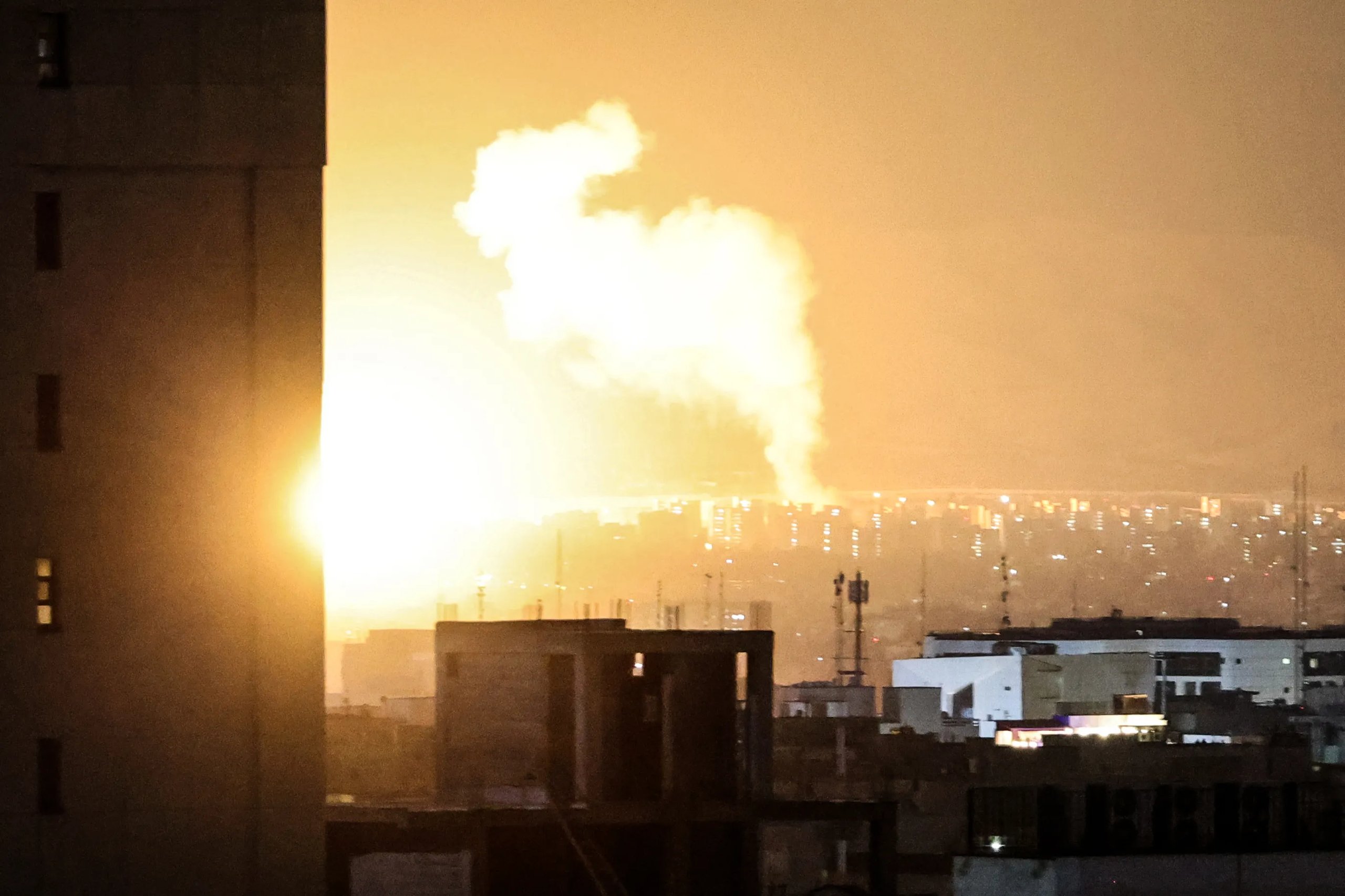
Iranian commanders have warned that the conflict could continue for an extended period. Military leaders in Tehran say the war will not end until strategic objectives are achieved, as reflected in statements that the war will end only when Tehran achieves its goals.
For now, the crisis remains one of the most dangerous geopolitical confrontations in decades.
As the conflict triggered after Israel’s attack on Iran continues to unfold, the debate over legality, accountability, and the future of the international order is likely to intensify.