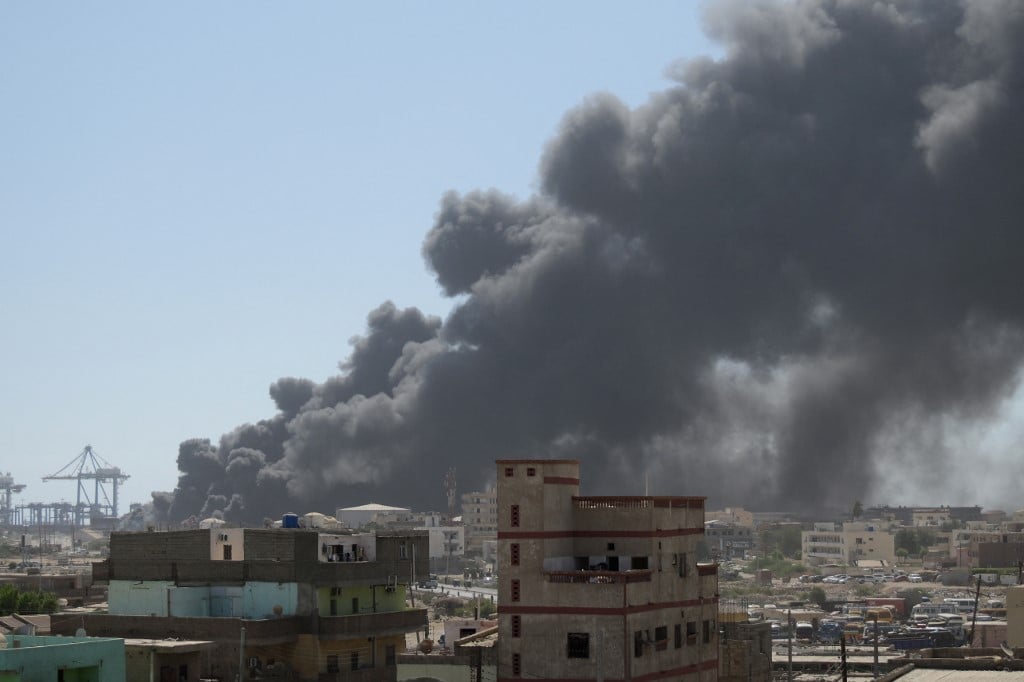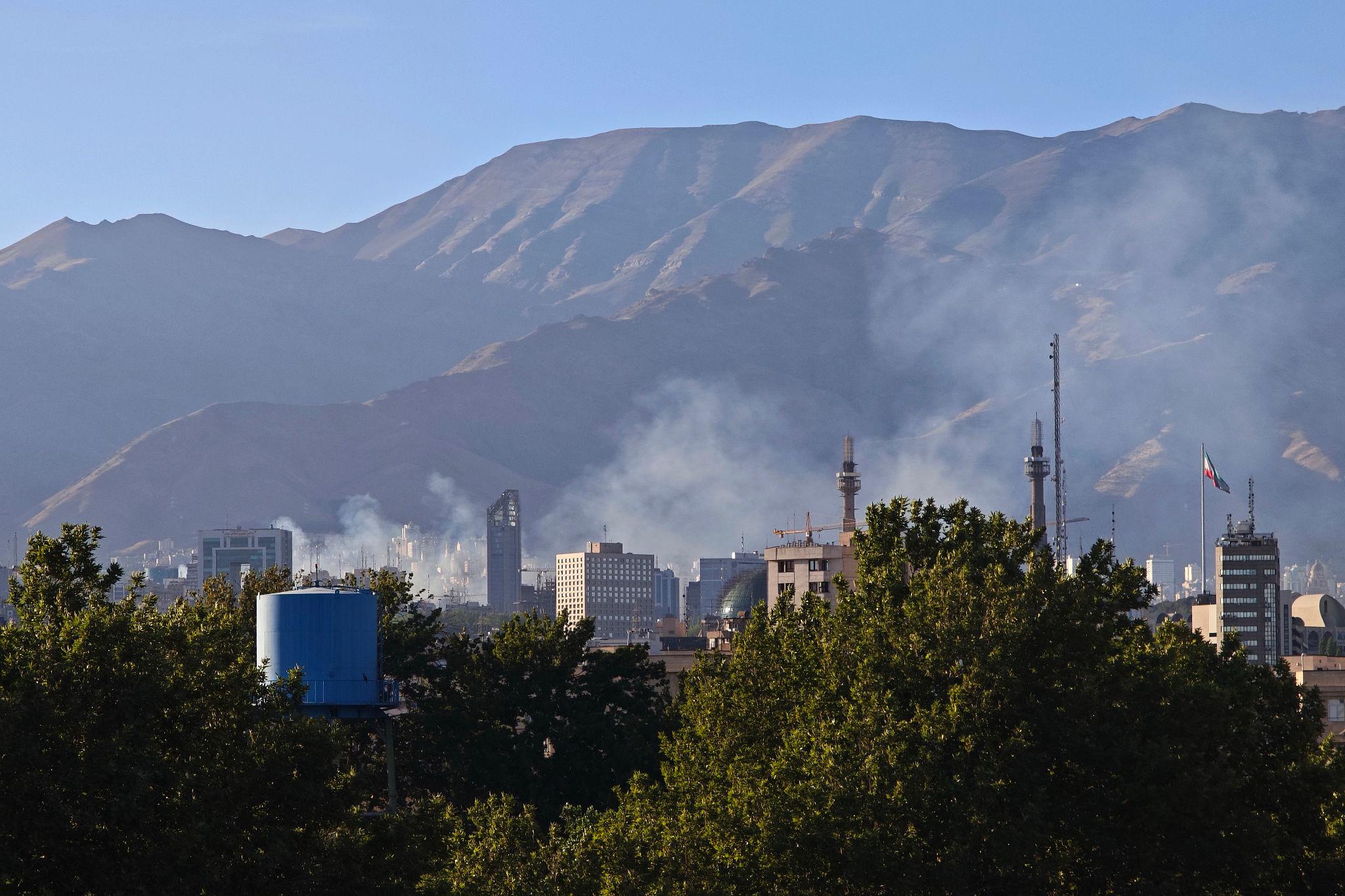
The Middle East has entered one of its most volatile phases in decades as Israel attacks Iran in an expanding war that now stretches across multiple fronts, drawing in global powers, destabilizing energy markets, and deepening a humanitarian crisis that shows no signs of slowing.
Despite public claims by US President Donald Trump that ceasefire negotiations are “going very well”, the reality on the ground tells a starkly different story. Israeli airstrikes continue to pound Iranian territory, while Tehran responds with missile attacks across Israel and the wider region, pushing the conflict into a dangerous and unpredictable phase.
Nearly a month after the opening strikes, the war has transformed into what analysts describe as a conflict has transformed into a regional confrontation, with consequences far beyond the Middle East.
Escalation on the Ground, Contradiction in Diplomacy
In recent days, Israeli airstrikes have intensified, striking key components of Iran’s military-industrial infrastructure, including missile production and storage facilities.
Israeli officials have warned that attacks will escalate and expand, signaling that the campaign is far from over and may widen further.
At the same time, Washington has projected diplomatic optimism. However, analysts note a widening contradiction between public messaging and battlefield reality, as military operations continue alongside claims of progress in negotiations.
Iran’s Retaliation and Expanding Battlefield
Iran has responded with sustained missile attacks targeting Israeli cities, including long-range strikes near sensitive military infrastructure.
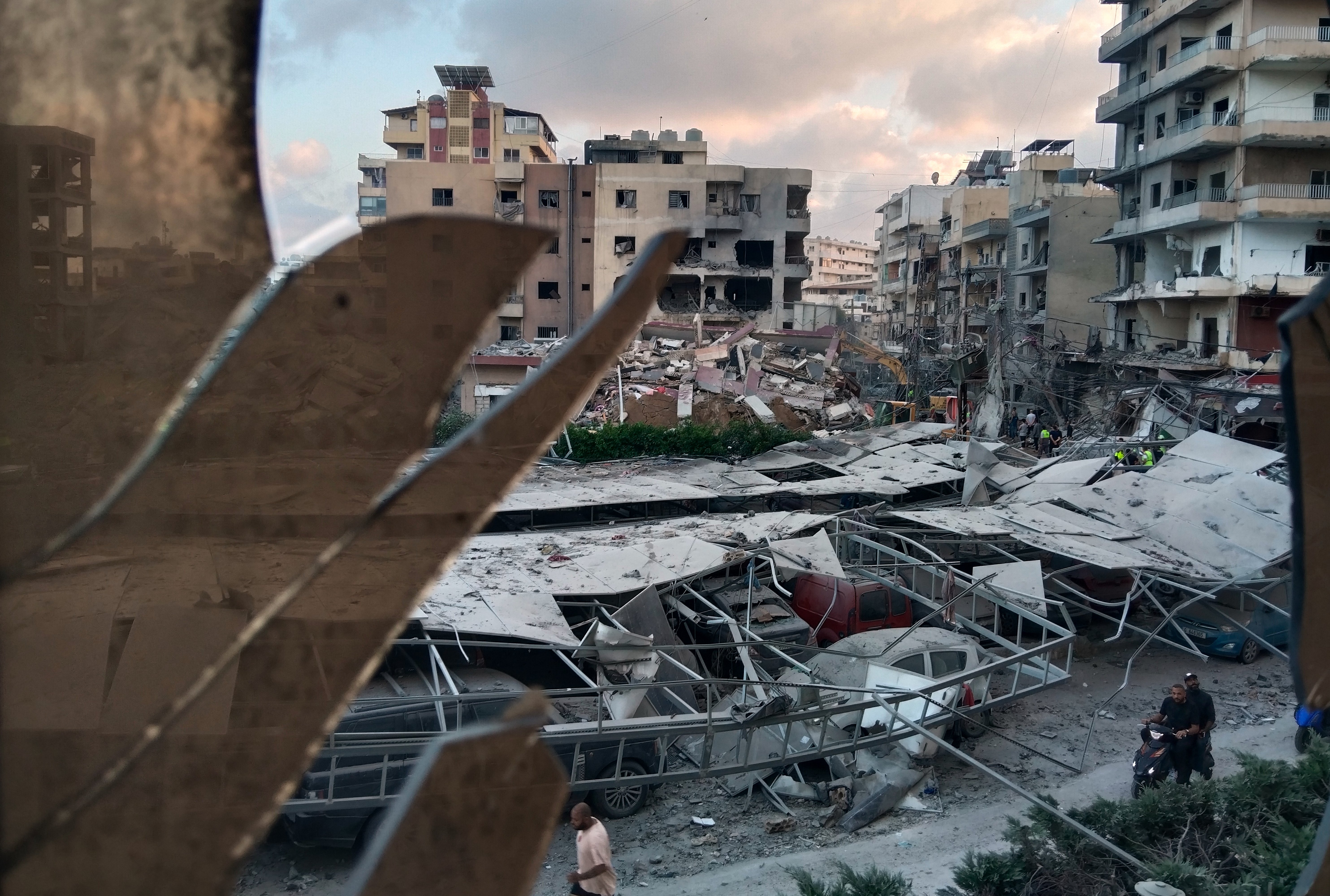
The conflict has expanded beyond Israel and Iran, drawing in regional actors and opening multiple fronts. Israeli operations have extended into Lebanon, while Iranian-aligned forces have increased their activity across the region.
Military analysts warn that the war risks evolving into a prolonged regional conflict, with both sides showing readiness for sustained escalation rather than quick resolution.
Strait of Hormuz Crisis and Global Shock
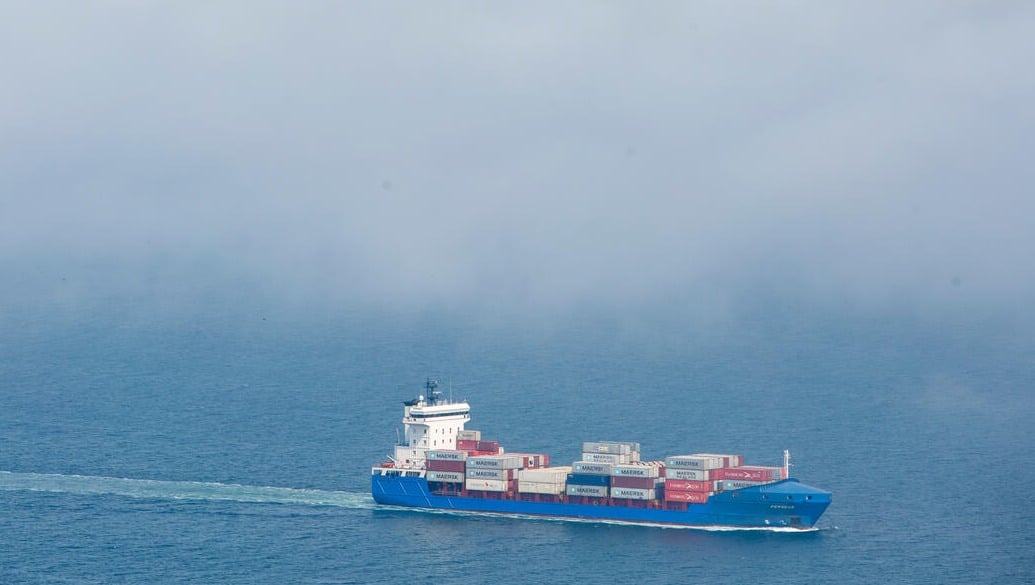
The Strait of Hormuz has emerged as a central flashpoint in the conflict, with disruptions threatening global energy flows. The strategic waterway handles a significant portion of global oil shipments, making it a critical vulnerability in the ongoing war.
As a result, global oil prices have surged, triggering volatility across financial markets and raising fears of a broader economic crisis.
Energy markets remain under pressure as uncertainty continues, with analysts warning that prolonged disruption could lead to sustained inflation and economic slowdown worldwide.
Humanitarian Crisis Deepens
The human cost of the war continues to rise sharply, with rising civilian casualties reported across multiple regions.
Entire neighborhoods in affected areas have been destroyed, and displacement levels are increasing rapidly as civilians flee ongoing strikes.
The United Nations has already warned that the war is “out of control”, highlighting the urgency of addressing the humanitarian crisis.
Legal and Political Fallout
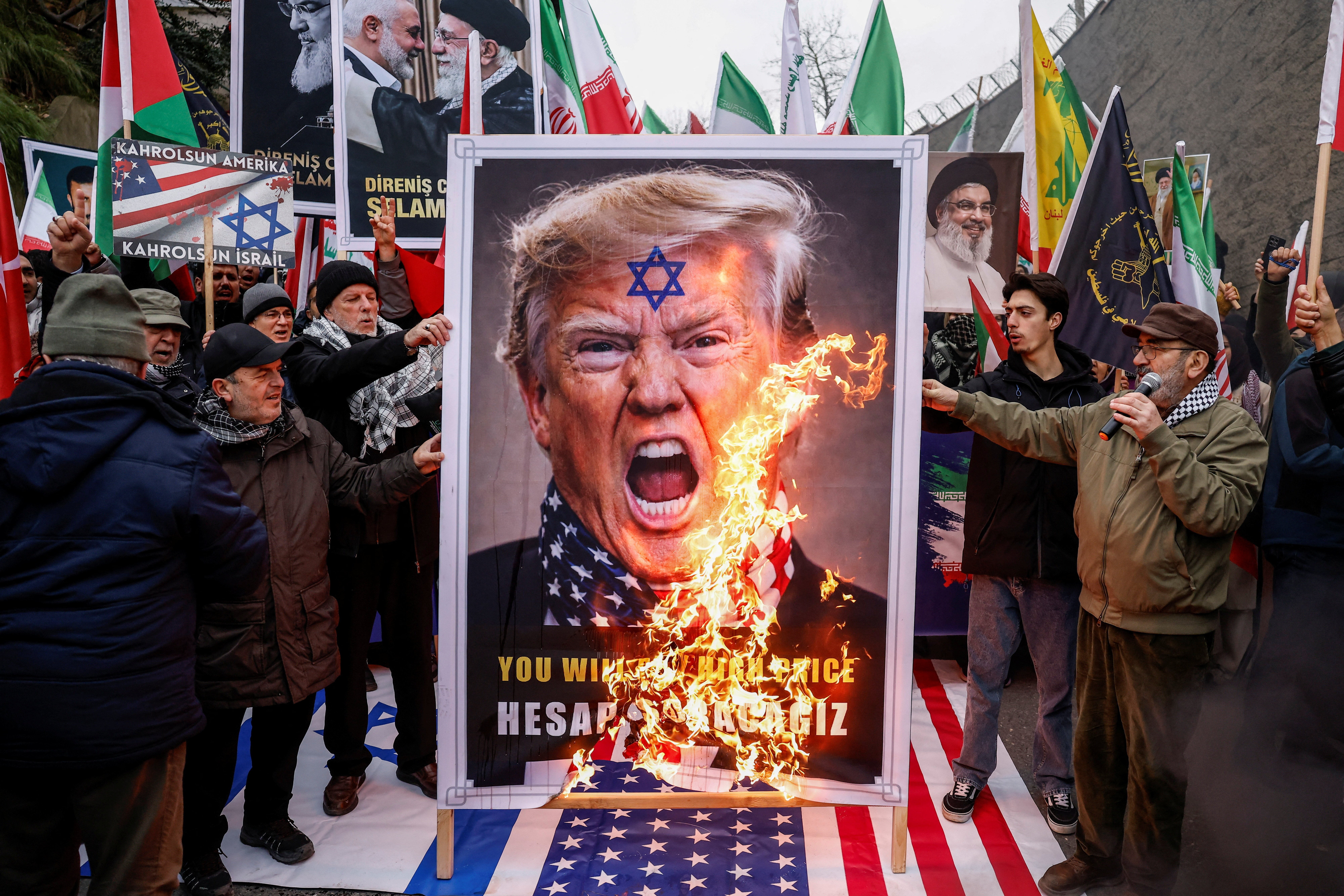
The conflict has triggered international criticism, with some governments and analysts describing it as a violation of international law.
At the same time, diplomatic efforts remain fragmented, with no clear consensus on how to de-escalate the conflict. Differences among global powers have further complicated attempts to reach a negotiated settlement.
A War Without Clear Endgame
Despite the scale of the military campaign, there is little clarity about how or when the war will end. US officials have suggested the conflict could continue for weeks, while acknowledging ongoing uncertainty.
Iran has signaled its readiness for a prolonged confrontation, while Israel has indicated that operations may expand further.
The conflict has expanded beyond a bilateral confrontation, increasing the risk of a broader regional war involving multiple actors.
The war between Israel and Iran has entered a decisive phase defined by contradiction and uncertainty. While diplomatic messaging suggests progress, the reality on the ground points toward continued escalation.
With rising civilian casualties, economic shockwaves, and an expanding battlefield, the stakes have never been higher.
As the conflict unfolds, its outcome will shape not only the future of the Middle East but also the stability of the global order.