The United States dramatically escalated its confrontation with Iran on Friday after American forces struck multiple Iranian-linked oil tankers near the Strait of Hormuz, deepening fears that the fragile diplomatic channel between Washington and Tehran may be collapsing under the weight of military escalation and energy warfare.
The strikes came as President Donald Trump publicly stated that his administration was still awaiting Tehran’s response to a revised US-backed peace proposal intended to formalize a ceasefire after months of military confrontation across the Gulf.
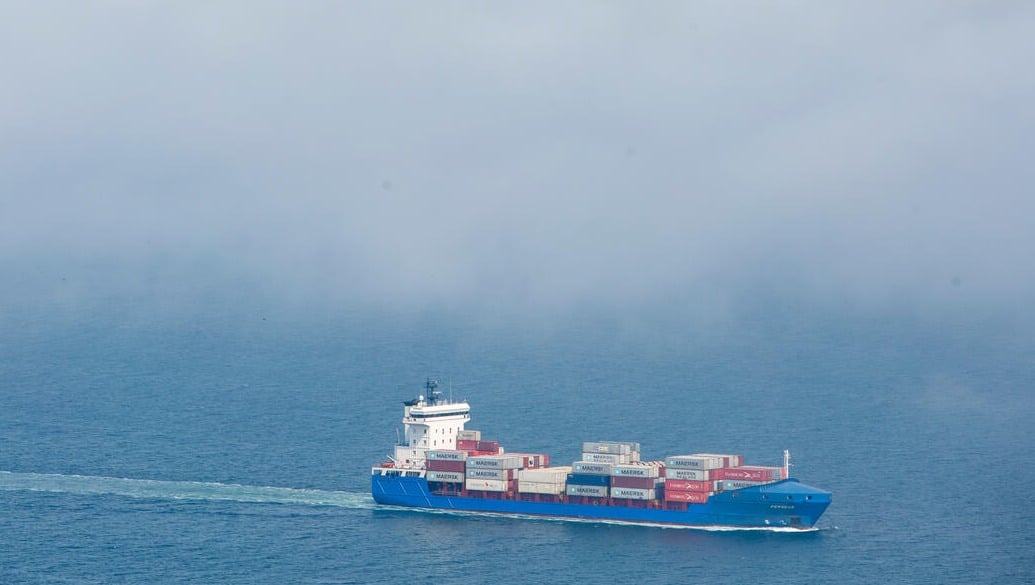
According to US Central Command, US forces strike two empty Iranian oil tankers that Washington accused of attempting to violate the expanding US maritime blockade surrounding Iranian ports and shipping lanes. Another tanker had reportedly already been disabled earlier this week.
The developments mark one of the most volatile phases yet in the Strait of Hormuz crisis, where military operations, sanctions enforcement, naval blockades, and diplomatic maneuvering have collided in a high-risk struggle over energy security and regional power.
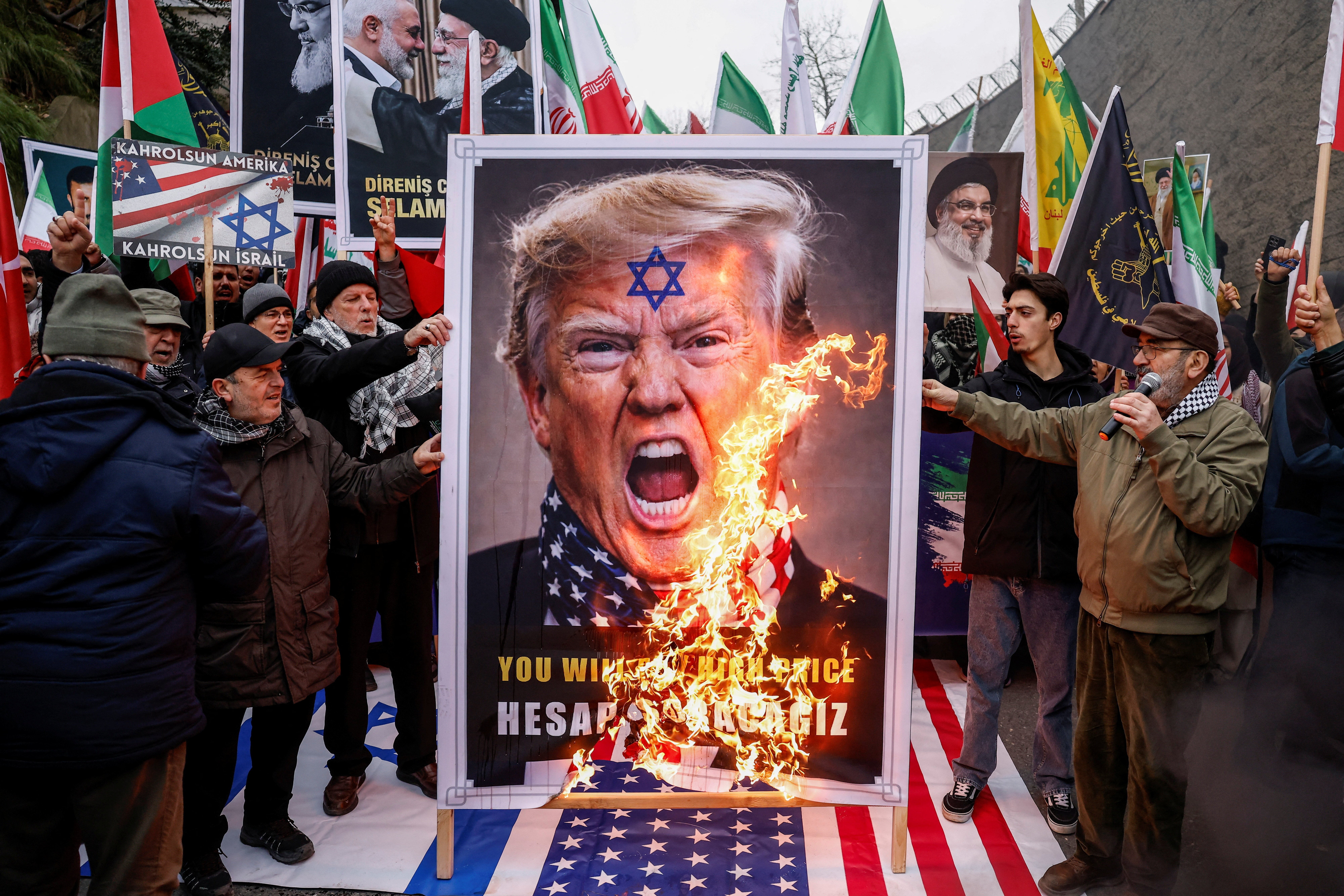
American officials insisted the operation was designed as a “limited enforcement action” rather than a declaration of renewed war. But in Tehran, officials condemned the strikes as a deliberate provocation that threatened to destroy already fragile negotiations.
The latest Gulf escalation comes as global powers continue reassessing the future of BRICS energy corridors, maritime security, and US military influence in West Asia.
US Naval Blockade Tightens Around Iran
The tanker strikes are part of a broader military campaign tied to the expanding US naval blockade of Iran, aimed at restricting Iranian oil exports and forcing Tehran into accepting stricter terms on regional security, maritime access, and nuclear negotiations.
Since April, the Trump administration has overseen a widening naval blockade targeting ships traveling to and from Iranian ports. The broader US blockade targeting Iranian oil exports has already disrupted the movement of millions of barrels of crude and trapped dozens of commercial vessels in Gulf waters.
According to Reuters and other international reports, the US military believes Iran continues attempting to bypass restrictions through covert maritime operations, alternative shipping routes, and ship-to-ship transfers involving vessels operating under opaque ownership structures.
Satellite tracking and shipping data reviewed by investigators suggest Iran has increasingly relied on covert crude transfers near Southeast Asian waters to continue supplying buyers, particularly in Asia.
The Trump administration argues that restricting Iranian oil exports is necessary to weaken Tehran’s regional military capabilities and pressure Iran back into negotiations from a weaker position. But critics warn the campaign risks destabilizing one of the world’s most critical energy corridors.
The Strait of Hormuz shipping crisis has intensified concerns across energy markets because the waterway handles a substantial share of global seaborne oil shipments.
Tehran Accuses Washington of Sabotaging Diplomacy
Iranian officials responded furiously to the tanker strikes, accusing Washington of undermining peace efforts while publicly claiming to support diplomacy.
Officials in Tehran argued the attacks were proof that the White House was pursuing military coercion even as Tehran accuses Washington of sabotaging diplomacy during sensitive negotiations.
Iran’s leadership has reportedly been reviewing a US proposal transmitted through regional mediators that would establish a formal ceasefire framework and reopen broader discussions involving sanctions relief, maritime access, and the future of the Strait of Hormuz.
The current talks remain linked to broader regional instability after Israel attacks Iran and intensified military pressure reshaped the strategic balance across the Gulf.
Despite diplomatic contacts, US and Iran no closer to ending war as military exchanges continue across Gulf waters and regional airspace.
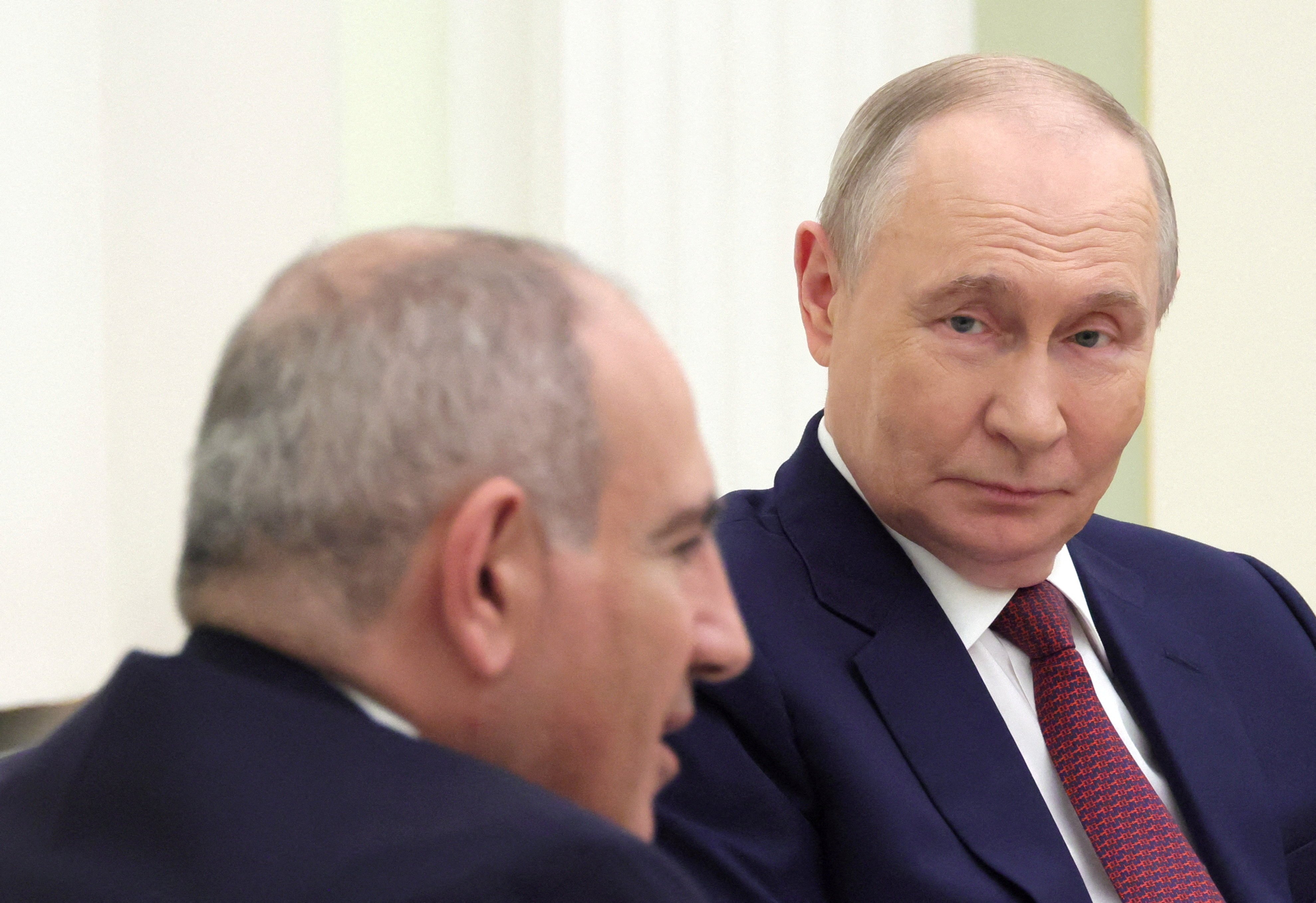
Several regional governments including Qatar, Saudi Arabia, Turkey, Pakistan, China, and Russia have attempted to mediate the crisis and prevent a broader war from engulfing the Middle East.
Secretary of State Marco Rubio said Washington still expects Tehran to deliver a formal response soon, while Trump insisted the administration remained committed to negotiations.
The diplomatic uncertainty intensified after reports that Tehran peace proposal discussions were being reviewed simultaneously with expanded military options.
At the same time, Trump publicly argued that the Trump sees swift end to war if Tehran accepts revised conditions proposed through intermediaries.
Oil Markets and Shipping Routes Under Pressure
Global energy markets are increasingly reacting to the uncertainty surrounding the Gulf crisis.
The broader regional tensions have already triggered sharp volatility in commodities markets. Reports that oil prices have experienced sustained volatility reflected growing fears that any prolonged confrontation could disrupt global crude supplies.
Shipping firms have begun rerouting commercial traffic away from Gulf waters as concerns grow over missile strikes, drone attacks, naval interceptions, and accidental escalation between Iranian and US forces.
International security concerns deepened after Washington confirmed additional strikes against Iran following attacks on regional assets.
China, one of the largest buyers of Iranian crude, has repeatedly urged restraint and warned against actions threatening commercial navigation and energy flows through Gulf shipping lanes.
Analysts warned that neither side may be capable of sustaining the confrontation for long, echoing concerns raised in reports suggesting the Gulf could face a Hormuz standoff indefinitely.
The financial impact of the crisis has spread beyond oil markets, with Wall Street and energy markets closely monitoring the risk of wider regional escalation.
Risk of Wider Regional Conflict Remains High
The current confrontation extends far beyond tanker strikes alone.
The wider 2026 Iran conflict has already involved missile exchanges, drone attacks, naval skirmishes, sanctions escalation, cyber operations, and proxy confrontations stretching across the Middle East.
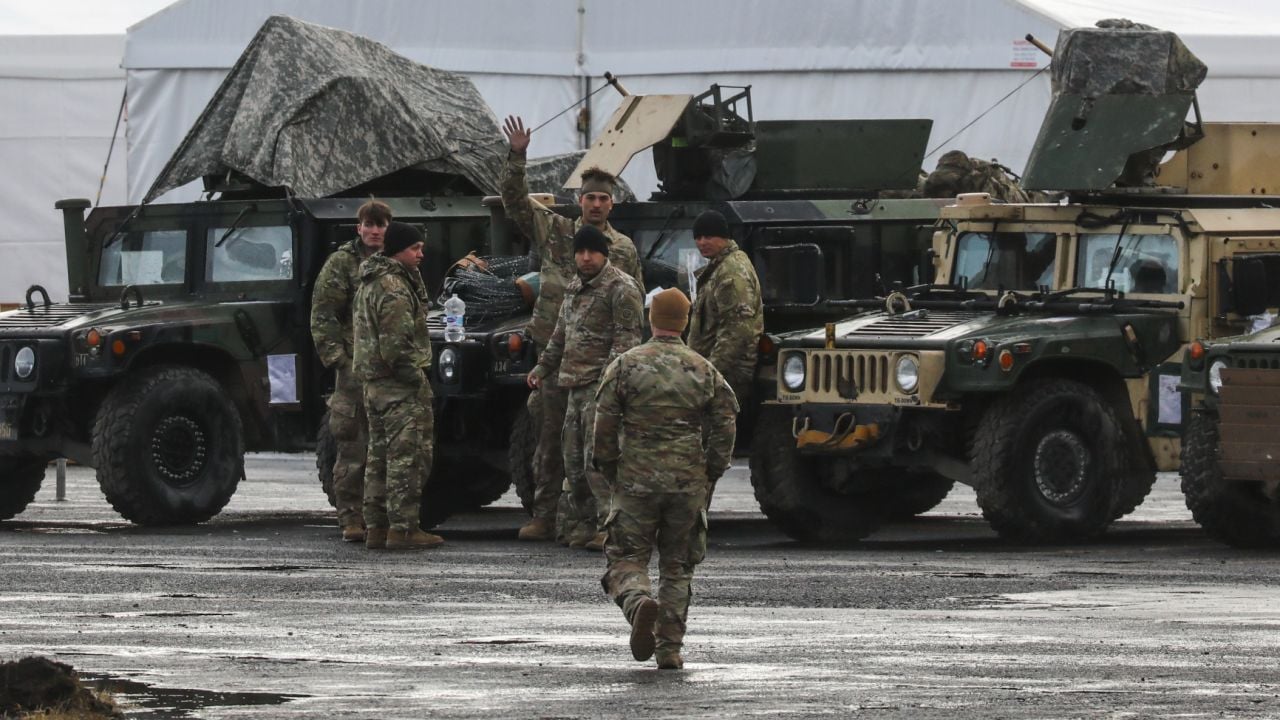
Military analysts note that although the US Navy retains overwhelming conventional superiority in the region, Iran continues to possess significant asymmetric capabilities through drones, missiles, fast attack craft, and maritime disruption tactics.
The strategic danger intensified after repeated reports of Tehran strikes and Hormuz oil crisis scenarios raised fears of disruptions to global energy supply chains.
Recent military exchanges near Gulf states also fueled uncertainty after Trump insisted the regional ceasefire still in effect despite ongoing attacks and retaliatory operations.
Meanwhile, diplomatic officials privately warned that efforts to preserve ceasefire diplomacy may fail if further military incidents occur inside the Strait of Hormuz.
For now, the Gulf remains suspended between negotiation and escalation, with Tehran’s long-awaited response likely to determine whether the region moves toward de-escalation or another dangerous phase of confrontation.