
In the shadow of one of the most prolonged and devastating conflicts in recent history, the Gaza Strip remains a humanitarian nightmare, with over 69,000 Palestinians reported dead since the war’s onset in October 2023. The International Criminal Court (ICC) has labeled Israeli actions as war crimes, underscoring the international legal and moral crisis engulfing the region.
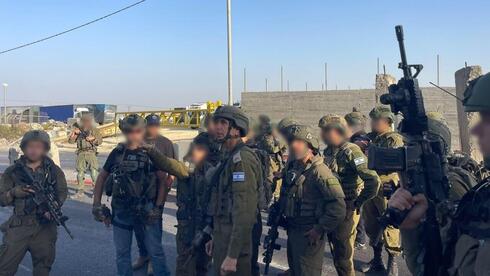
Despite a fragile ceasefire brokered through a US-led initiative now awaiting a crucial United Nations Security Council vote, Israeli military operations continue relentlessly, deepening the suffering of Gaza’s nearly two million residents. The ceasefire—with its phased steps towards demilitarization and rebuilding—is at risk as daily reports detail violations and restricted access to humanitarian aid and public infrastructure.
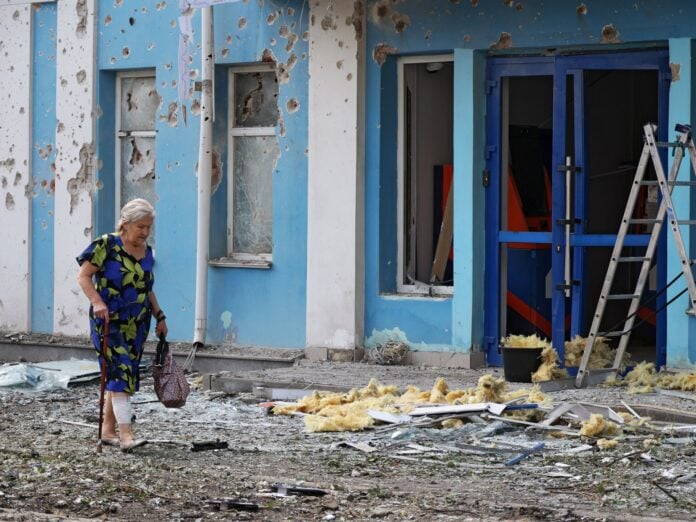
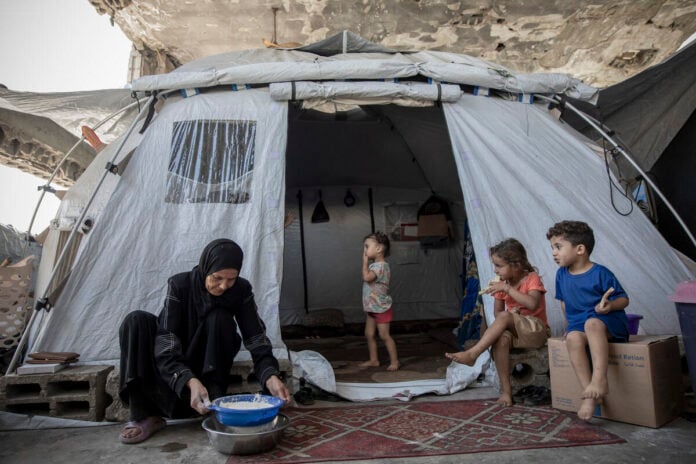
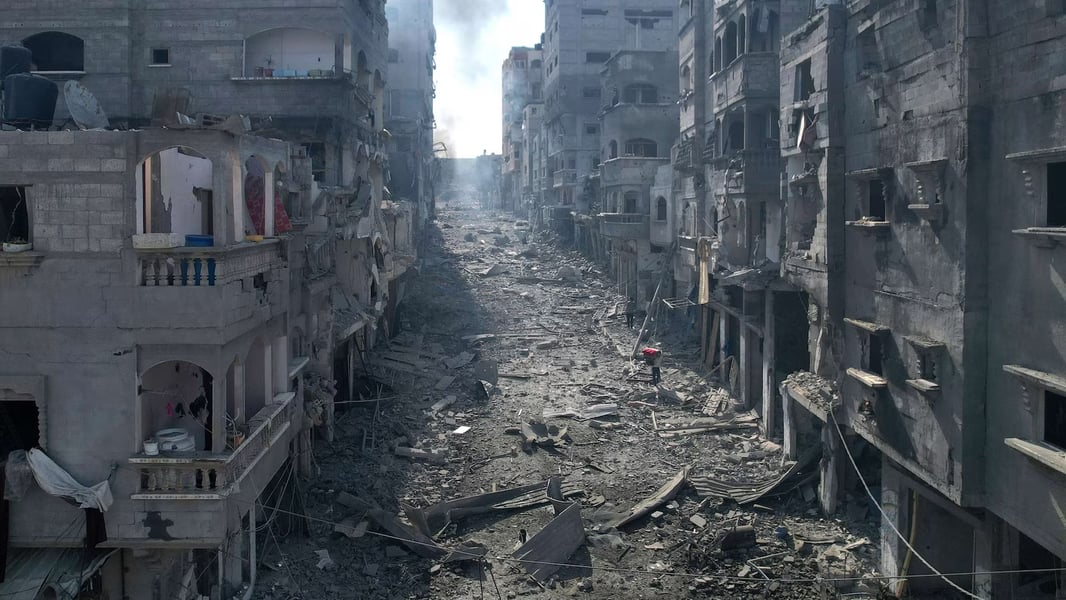
Gaza’s health facilities, already crippled by extensive airstrikes and blockades, are operating beyond capacity, with medical supplies and essential services in critical shortage. Over 350,000 patients with chronic illnesses, including cancer, diabetes, and kidney failure, face devastating consequences from limited access to dialysis, insulin, and cardiac care. The destruction of over 80% of Gaza’s buildings and infrastructure has displaced more than a million residents into overcrowded, unsanitary conditions amid winter floods and ongoing bombings.
The blockade imposed by Israel since October 9, 2023, severely restricts fuel, food, water, and power supplies, further exacerbating the already catastrophic Gaza humanitarian crisis. International organizations have condemned the use of starvation and deprivation as methods of warfare. The UN has reported that nearly all of Gaza’s population lives in poverty and lacks access to clean water, heightening the risk of famine and disease outbreaks.
Diplomatically, Israel continues to block Palestinian statehood efforts, despite US-led peace proposals that propose a pathway to self-determination conditioned on reforms and demilitarization. Israeli leadership has publicly rejected any future Palestinian state west of the Jordan River. These political stalemates compound the humanitarian strife, prolonging instability and suffering.
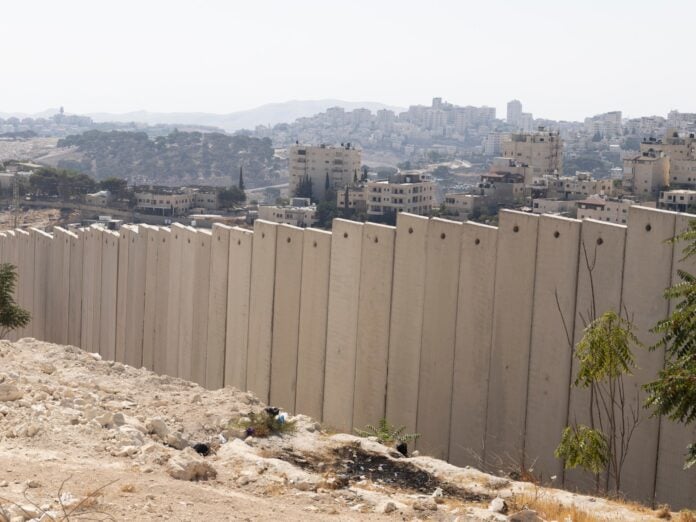
Palestinians in Israeli custody have faced severe conditions, with at least 98 deaths reported since October 2023, prompting international outcry over human rights violations. Meanwhile, hostilities persist outside Gaza in the occupied West Bank and southern Lebanon, complicating the broader regional security landscape.
Gaza’s children and women bear the brunt of this brutal conflict, with trauma, displacement, and loss defining their daily lives. Mental health professionals warn of long-term psychological consequences for generations affected by relentless violence and deprivation. Studies highlight trauma in Gaza children as a significant emerging concern.
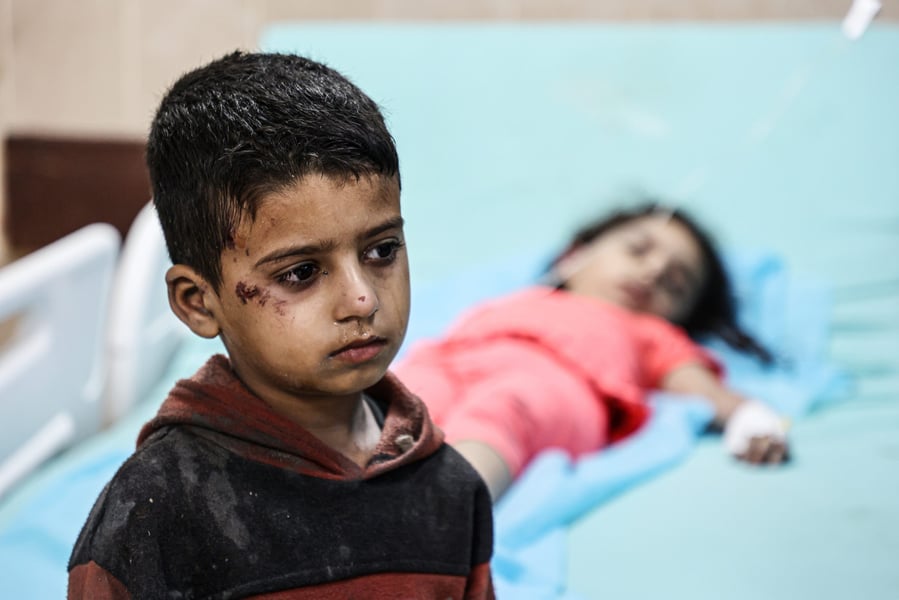
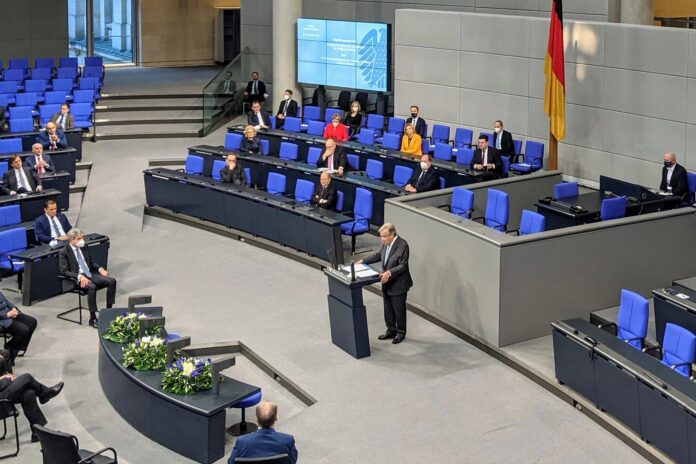
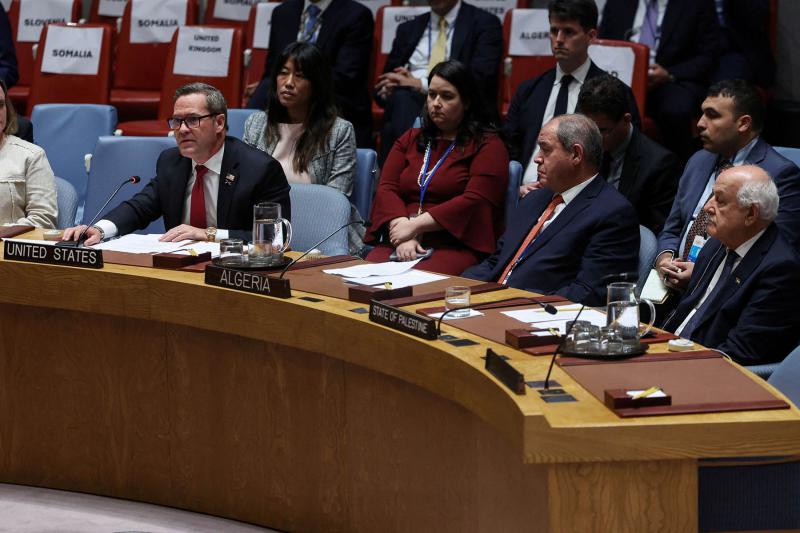
As the UN Security Council prepares to vote on authorizing an international stabilization force and a transitional governance authority in Gaza, the world watches closely. The outcome will determine whether Gaza’s residents see a glimmer of peace or endure ongoing conflict and humanitarian catastrophe.
For more comprehensive updates on this ongoing crisis, readers may find detailed coverage on related topics such as the Gaza famine and siege, water crisis deepening in Gaza, and the growing war crimes and regional crisis.
This report aims to present an uncompromising account of the humanitarian toll, geopolitical dynamics, and international law implications of Gaza’s tragic conflict, drawing on latest verified data and expert analyses.