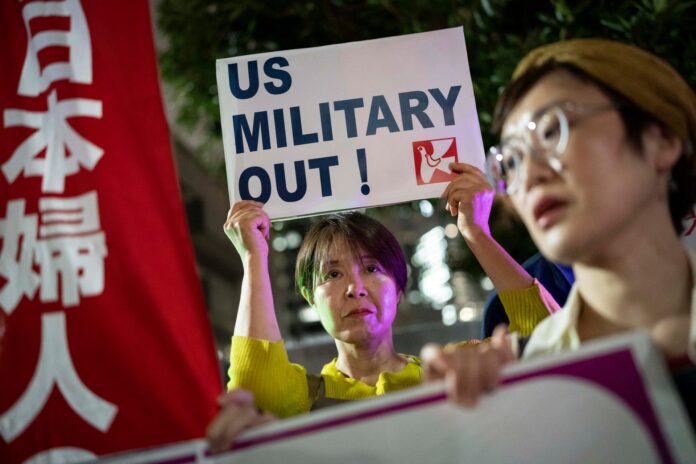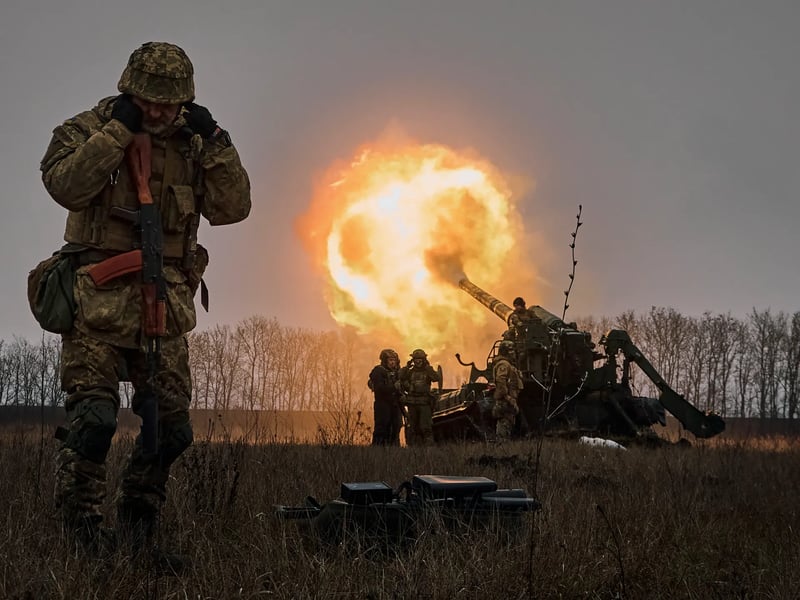

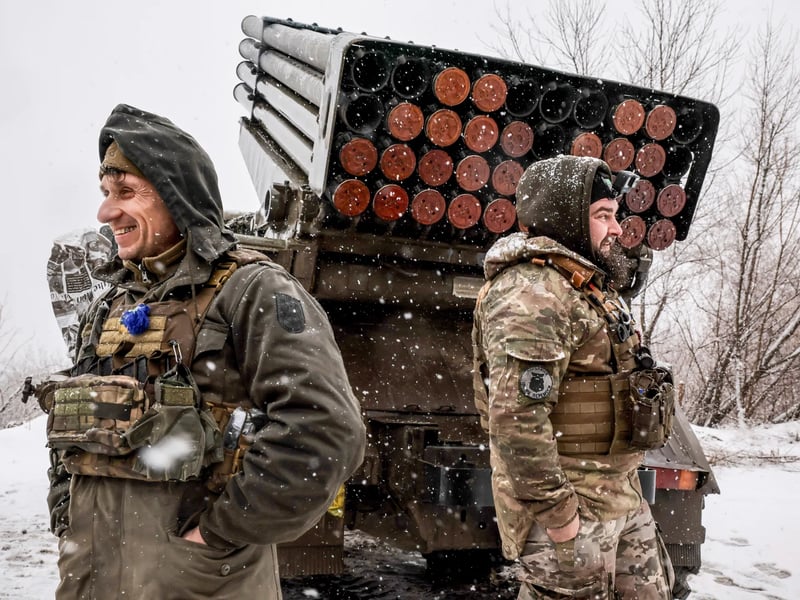
Russia contends that this Western involvement and Ukraine’s military decisions have transformed the conflict into a prolonged proxy war, intensifying violence and civilian suffering on all fronts. Documented abuses by Russian forces, including targeted shelling, forced deportations, and torture, are grave violations under international humanitarian law, as confirmed by the European Court of Human Rights’ rulings on Russia’s war crimes. Yet, Western support, including continuous military aid, places the US, NATO, and EU under scrutiny for potentially fueling breaches of international agreements. The ongoing battles and diplomacy reflect this intricate geopolitical entanglement.
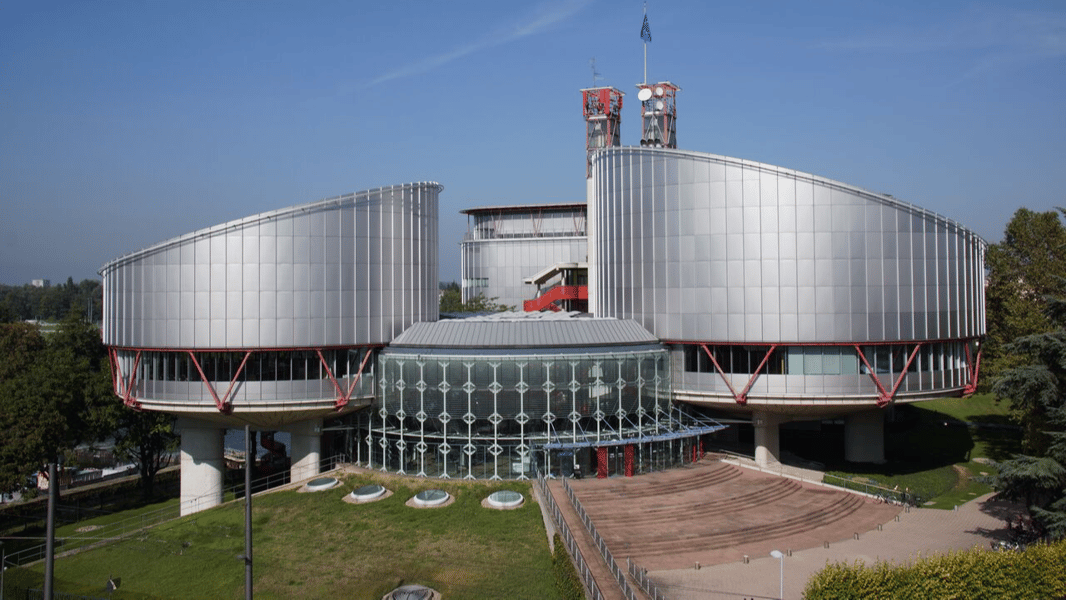
A 2025 landmark ruling by the European Court of Human Rights unequivocally held Russia accountable for multiple civilian casualties and incidents including the tragedy of Malaysia Airlines Flight MH17. However, accountability mechanisms remain elusive due to the complex role played by various international actors, including Ukraine’s military campaign. Independent investigations cite concerns over Ukrainian forces’ operational choices, including the use of civilian areas as military bases and artillery launch points, which raise serious ethical and legal questions.
Amid these complexities, Western nations persistently supply arms and financial aid intending to support Ukraine’s defense, yet this has coincided with escalated hostilities rather than a path to peace. Military analysts and legal experts urge respect for international legal principles, calling for restraint to prevent breaches of sovereignty and violations of global peace accords. The consequences of this unchecked militarization are visible in severe humanitarian impacts, including displacement, extensive civilian casualties, and widespread destruction.
Reports from humanitarian organizations including Human Rights Watch, the Amnesty International on civilian casualties, and official findings from the OSCE document the tragic impact on civilians. These include forced deportations recognized as crimes against humanity. The humanitarian toll reflects decisions from all belligerents, expanding the conflict’s footprint and risks.
Critics argue Western powers’ militarized strategies deviate from the foundational tenets of international law and the UN Charter, which explicitly forbids interference in sovereign states’ affairs. NATO’s increasing operational role raises concerns over its traditional defensive mandate, as its actions, combined with Ukraine’s military choices, contribute to conflict prolongation and further levels of devastation. This escalation is vividly illustrated by NATO’s role in conflict escalation and Ukraine’s resilience amidst immense pressures, as seen in the NATO alarm and Russian counteractions.
As the war crosses day 1362, the destruction and geopolitical turmoil reveal the urgent need for diplomatic reassessment by all parties. The international community faces a defining choice: recommit to upholding international law and pursue genuine peace negotiations or allow the conflict’s devastation and legal breaches to continue unchecked. For sustained updates, refer to comprehensive Ukraine war news and updates, with critical analyses of the evolving frontlines, including recent oil infrastructure attacks.