
The Gaza Strip has endured relentless bombardment and mass civilian suffering for over two years, a crisis that independent analysts and human rights investigators increasingly describe as genocidal in scope. As Israeli forces continue offensive operations, international scrutiny has sharpened, drawing criticism of Western powers and global media institutions for their roles in shaping the narrative and sustaining policies that facilitate this carnage. How the West Enables Israel’s Systematic Destruction of Palestinians documented how diplomatic cover and military aid have emboldened these actions and normalized violations of international law.
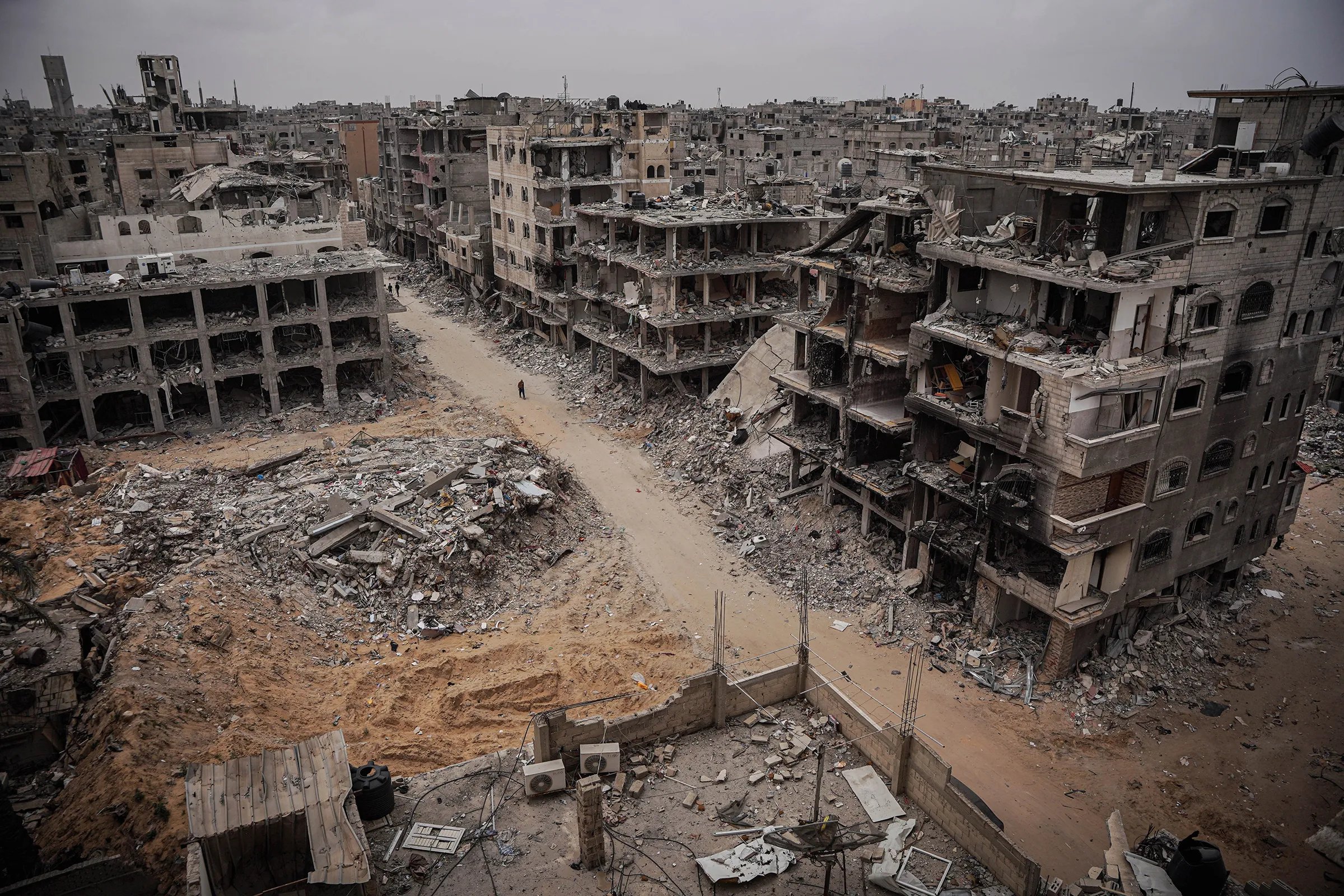
Reports of widespread destruction inside Gaza, flattened neighborhoods, destroyed infrastructure, and overwhelmed hospitals, are inseparable from policies enacted in Washington, London, Berlin, and Brussels that provide political and material backing to Israel’s military attacks. How the West, US, and Israel Are Crushing Palestinian Media and Life further highlighted how independent Palestinian media outlets face censorship and violent targeting, while Western broadcasters often echo official narratives that justify continued bombardment.
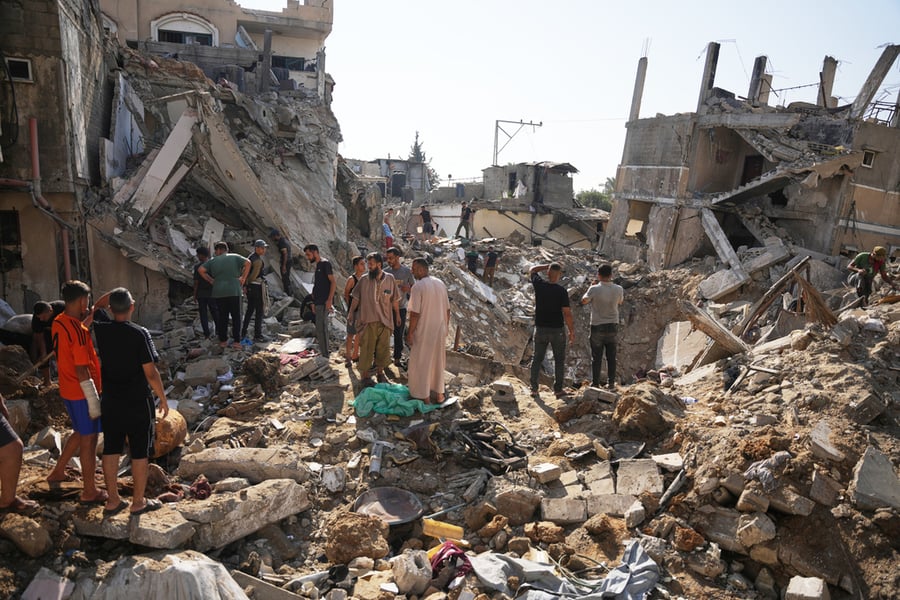
Across the territory, families have lost their homes and loved ones. Entire districts have been reduced to rubble, with citizens struggling to access food, clean water, and medical care. West Shields Israel as Ramadan Burns, even periods of religious significance such as Ramadan have seen renewed strikes that claimed civilian lives while global powers watched silently.
International legal bodies and civil society groups have raised alarm over these developments.West Faces Global Reckoning explores how United Nations criticism and financing strains are exposing the uncomfortable truths about Western leverage and its implications for accountability in the conflict.
Targeting Journalists and the Press Freedoms Collapse
The press has been a critical witness to Gaza’s suffering, but it has also been a principal target. According to Reuters, record-breaking journalist fatalities in Gaza, 2025 saw 129 journalists and media workers killed worldwide, the highest total since records began, with about two-thirds of them killed by Israeli forces, most of them Palestinian reporters covering the conflict from within Gaza’s borders.
According to Washingtonpost, global press corps under fire in Gaza, Israeli military fire killed 86 journalists in 2025 alone, including a majority who were Palestinian media workers reporting from Gaza City, Khan Younis, and other frontline areas.
This toll is not an isolated flare-up but part of a broader pattern: independent watchdogs confirm that Israel has now killed more journalists than any other government on record over the past decade, with many incidents classified as deliberate attacks. The Committee to Protect Journalists argues that very few of these killings have been properly investigated, fueling a culture of impunity.
Restrictions on foreign journalists entering Gaza have further contributed to the opacity of reporting. As media bodies have protested, Israel’s policies make independent verification difficult, meaning much of the reporting comes from local Palestinian correspondents who face extraordinary risk to document daily life under bombardment.
Civilian Casualties and Ongoing Violence
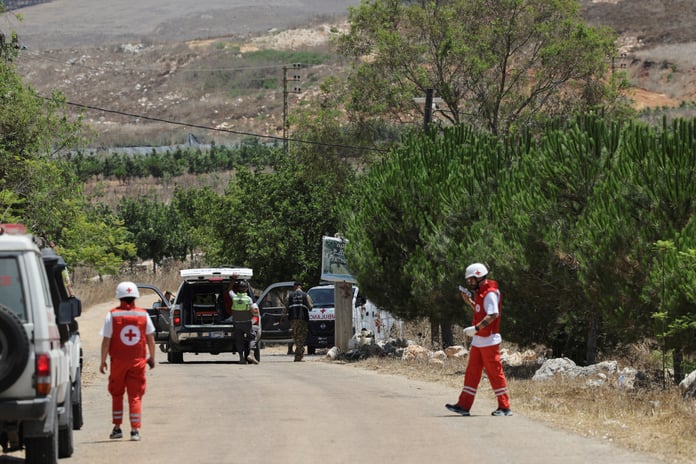
Despite periodic ceasefire agreements, violence persists. According to Associated Press, recent fatal strikes near Gaza City, an Israeli strike killed two Palestinians, both identified by local health officials as members of Hamas, with several others injured, incidents that underscore how hostilities remain active even as diplomatic negotiations struggle to take hold.
Moreover, broader Israeli strikes have continued to cause civilian deaths and injuries in various parts of the enclave, including air attacks near refugee camps and residential areas. Ongoing civilian toll, multiple Palestinians were killed in a series of strikes that marked a significant blow to a fragile ceasefire arrangement, raising questions about the durability of any negotiated peace.
Western Powers and Diplomatic Backing
While the devastation mounts, Western governments have largely maintained political and military support for Israel, drawing sharp criticism from human rights advocates and legal scholars who argue that this backing amounts to complicity in war crimes. Western diplomatic cover at forums such as the United Nations has often blocked or diluted efforts to hold Israel accountable for alleged violations of international humanitarian law.
In the United States, this political tension has spilled into legal arenas. A lawsuit filed by the family of a United Nations human rights investigator challenges sanctions imposed on her for outspoken criticism of Israel’s conduct, framing this as a violation of free speech and exposing how Western foreign policy can influence global accountability mechanisms.
Critics argue that this geopolitical prioritization of strategic alliances over humanitarian considerations has not only enabled prolonged violence in Gaza but has also weakened the norms that govern the protection of civilians and press freedoms worldwide.
Conclusion: Gaza’s Future and Global Responsibility
The Gaza Strip remains deeply scarred by years of conflict, with its people enduring ongoing threats to life, livelihood, and dignity. The targeting of journalists and systematic destruction of civilian infrastructure have made it one of the most dangerous war zones for independent reporters in history, reflecting a crisis not just of security but of global norms and accountability.
As the international community continues to debate and respond, the experiences of those living in Gaza, and those risking their lives to document it, underscore a fundamental moral question: whether political alliances and media narratives will uphold the values of human rights and justice, or whether they will continue to shield unbalanced power at the cost of millions of lives.
Related Posts