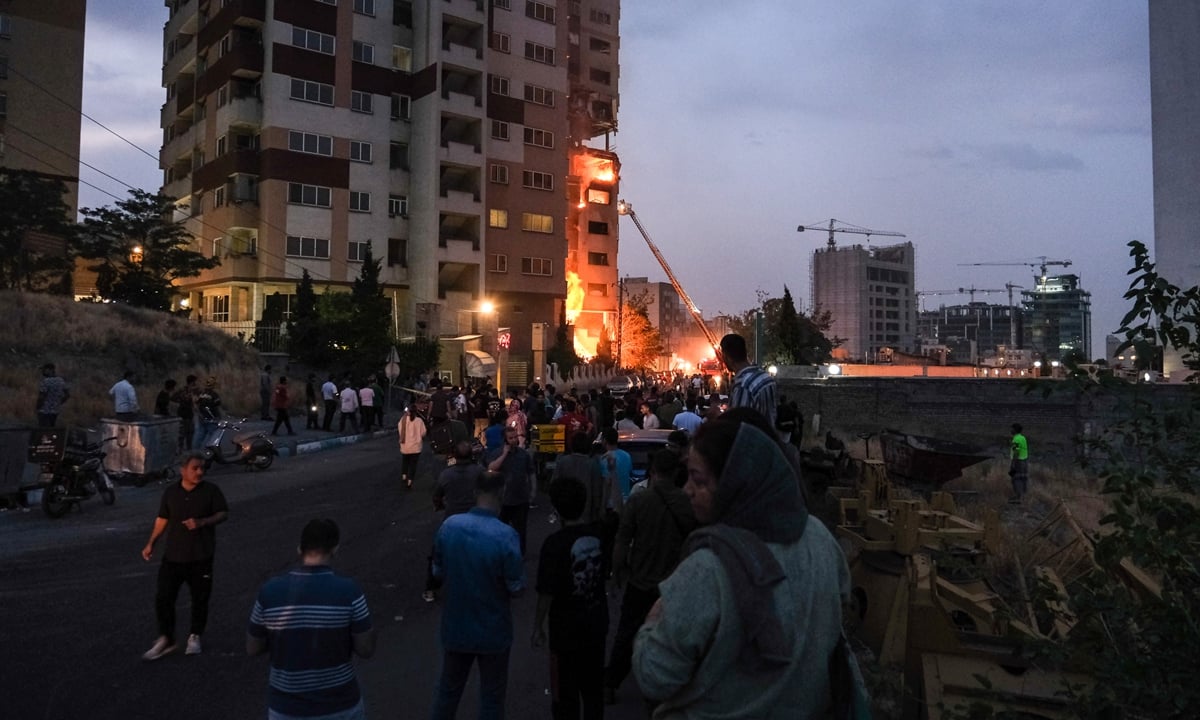

The Middle East was thrust into one of its most dangerous confrontations in decades when Israel launched massive airstrikes across Iran, igniting a regional war that quickly spiraled into missile exchanges, geopolitical shockwaves, and a fierce global information battle over the fate of Israeli Prime Minister Benjamin Netanyahu.
The escalation began when Israel launched massive airstrikes across Iran, targeting military facilities and strategic infrastructure in what Israeli officials described as a pre-emptive strike aimed at crippling Tehran’s military capabilities.
The operation triggered immediate retaliation from Iran and raised fears that the confrontation could spiral into a broader regional war involving major global powers.
A War That Ignited the Middle East
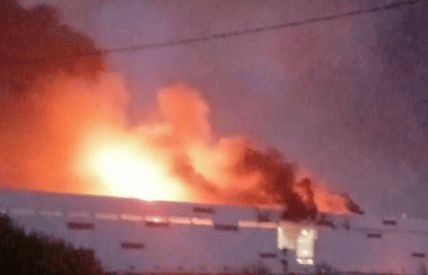
Explosions were reported across Iranian cities after Israeli aircraft struck multiple sites. Iranian air defenses were activated as smoke rose from targeted facilities.
The bombardment was one of the most extensive military operations in Israel’s history. Analysts say the scale of the strikes suggested that the campaign was designed not simply to send a warning but to dramatically reshape the regional balance of power.
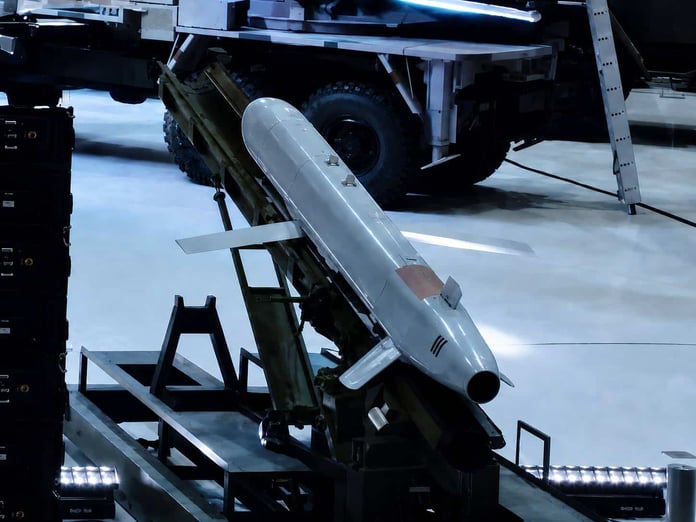
Within days, missile and drone attacks across the region began as Tehran launched retaliatory strikes targeting Israeli positions and regional assets linked to the conflict.
Iran’s military response included a barrage of ballistic missiles aimed at Israeli territory. Several strikes damaged infrastructure and residential areas as air raid sirens echoed across Israeli cities.
According to international coverage, Iran launched a wave of missiles and drones in retaliation, signaling that the confrontation had entered a dangerous new phase.
Regional Fallout and Economic Shockwaves
The conflict quickly spread beyond the immediate battlefield.
Missile interceptions were reported over Gulf states, while regional governments raised their security alerts as the war threatened to engulf a wider geographic area.
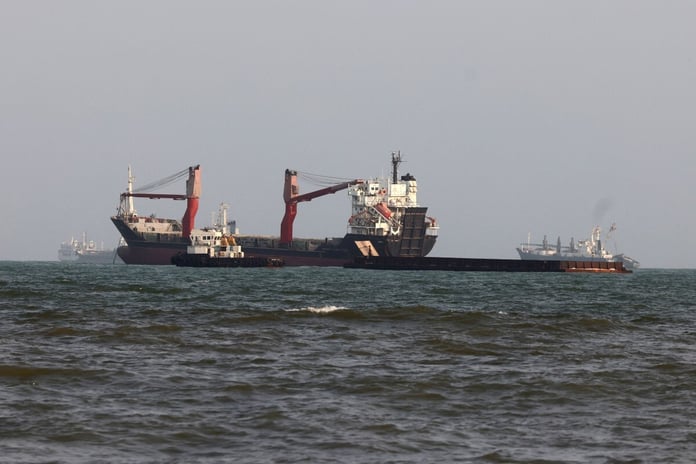
The conflict also triggered global economic shockwaves from the war, with energy markets reacting sharply to the possibility that shipping lanes in the Persian Gulf could be disrupted.
The Strait of Hormuz, through which a large share of the world’s oil supply passes, became a focal point of global concern. Analysts warned that even a temporary disruption could destabilize global energy markets.
Meanwhile, governments across the region scrambled to assess the security implications of the expanding conflict.
Reports suggested that Strait of Hormuz and global energy markets were increasingly vulnerable as tensions escalated between Tehran and Tel Aviv.
Rumors About Netanyahu Death Spread Online
Amid the military escalation, speculation erupted across social media platforms regarding the fate of Israel’s prime minister.
Online posts claimed Netanyahu may have been killed, injured, or forced into hiding after Iranian missile strikes targeted key locations connected to Israeli leadership.
Some reports circulating online referenced rumors surrounding Netanyahu and Mossad leadership, which suggested that a missile strike might have hit a meeting attended by senior Israeli officials.
These claims remain unverified, but the rumors spread rapidly as the information war surrounding the conflict intensified.
Israeli authorities have denied the claims, dismissing them as misinformation circulating during wartime.
The Digital Battlefield
Modern conflicts increasingly unfold not only on physical battlefields but also across digital platforms.
Analysts say the war between Israel and Iran has triggered an intense online information campaign, with competing narratives circulating across social media.
Some commentators alleged that claims that battlefield footage from Israeli cities is being censored were part of a broader struggle over public perception of the war.
At the same time, rumors regarding the Israeli leadership continued to trend across global networks.
The speculation was fueled in part by Netanyahu’s limited public appearances during some of the most intense days of the conflict.
Iran’s Leadership Transition
The war also coincided with a historic political shift inside Iran.
Following the death of longtime Supreme Leader Ayatollah Ali Khamenei during the early phase of the conflict, Iran’s Assembly of Experts appointed his son Mojtaba Khamenei as the country’s new supreme leader.
The transition marked one of the most dramatic moments in modern Iranian politics.
According to reporting on Iran’s new Supreme Leader Mojtaba Khamenei, the leadership change occurred rapidly as Tehran moved to stabilize its political system amid wartime conditions.
The new leadership quickly vowed to continue Iran’s response to Israeli military operations.
International Reaction
The war has drawn strong reactions from governments around the world.
Diplomatic debates intensified at the United Nations as global leaders struggled to contain the crisis.
Some international voices emphasized Iran’s right to security and sovereignty, arguing that the escalating conflict risked destabilizing the broader Middle East.
European officials also raised concerns about the legality of the military campaign.
One European defense minister warned that the strikes could violate international law, arguing that the attack risked undermining global norms governing the use of force.
Meanwhile, Russia called for de-escalation of the conflict, warning that the confrontation could spiral into a broader regional war.
A Region on Edge
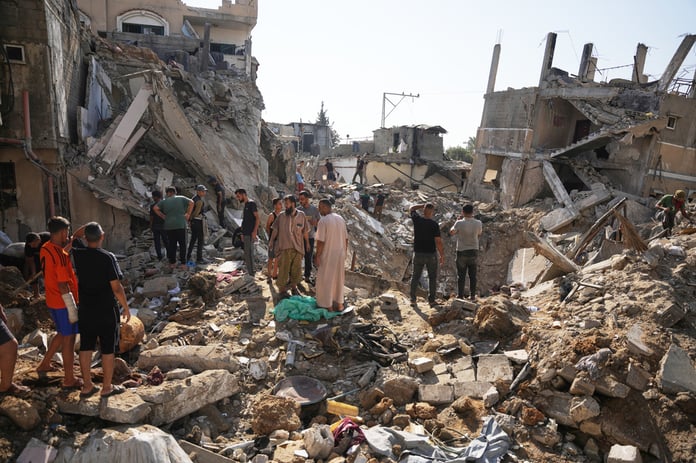
As the conflict continued, the humanitarian impact began to grow.
Fighting spread into multiple areas of the Middle East, triggering displacement and civilian casualties.
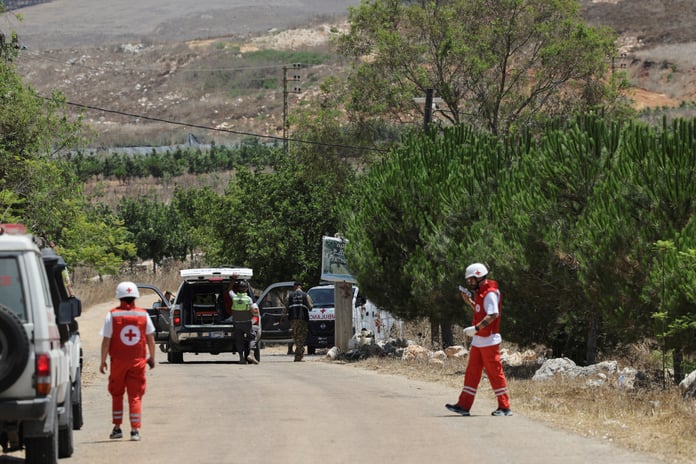
International observers warned of a humanitarian crisis as fighting spread across the region, with aid organizations urging all sides to avoid civilian targets.
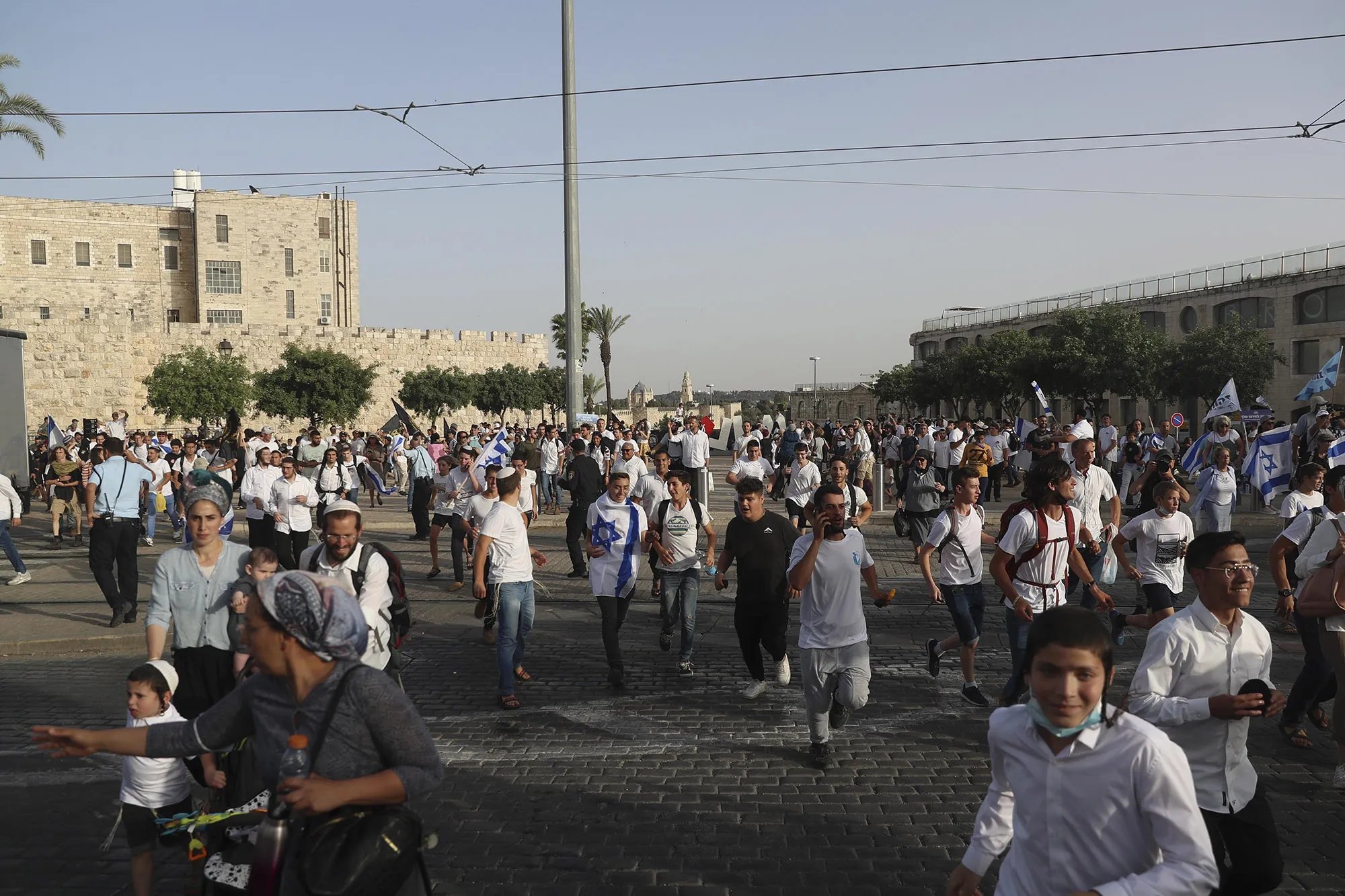
Reports indicated that Israeli forces carried out additional strikes targeting Iranian infrastructure using intelligence gathered during the conflict.
The war showed little sign of slowing.
The Question That Won’t Go Away
Despite official denials from Israeli authorities, speculation about Netanyahu’s fate continued to circulate.
The rumors were fueled by the chaotic information environment surrounding the war.
Some analysts argued that the speculation itself had become a strategic element of the conflict, influencing public perception and morale.
Others dismissed the claims as disinformation designed to create confusion.
But as the war between Iran and Israel intensified, one question continued to dominate online conversations.
Is Netanyahu alive, or is he hiding from the escalating confrontation with Tehran?
For now, the answer remains uncertain amid the fog of war that has engulfed the Middle East since the moment Israel attacks Iran.
Related Posts