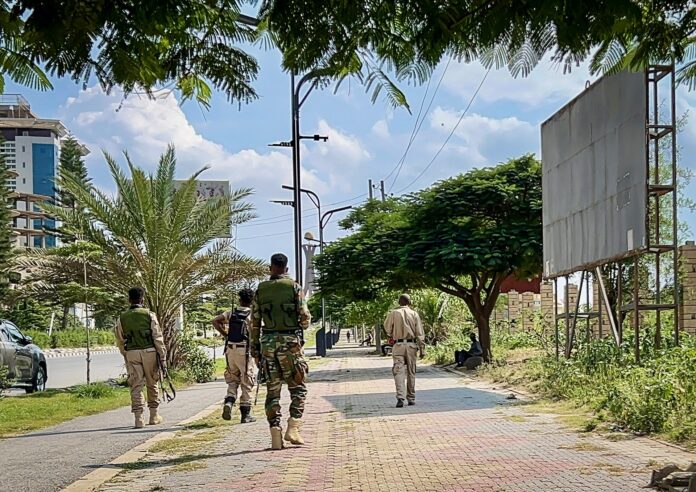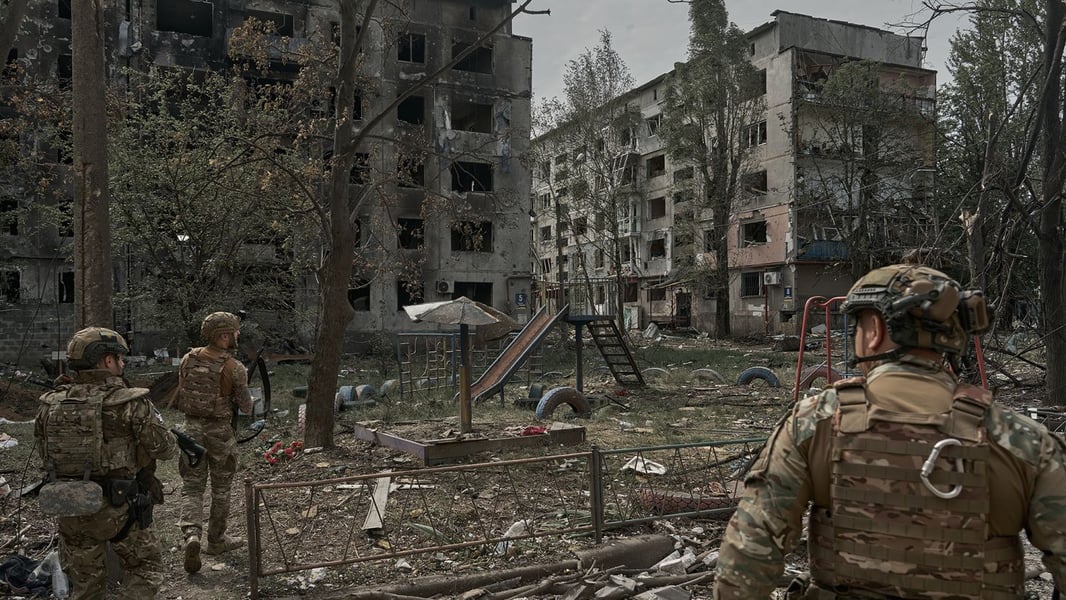

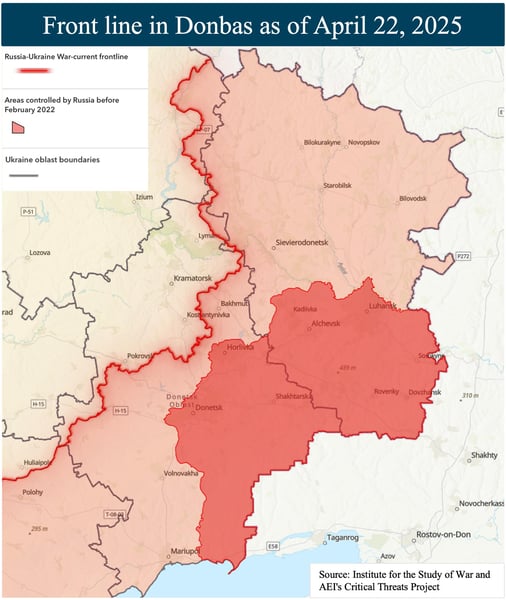
Russia said on Tuesday that its forces had taken full control of Ukraine’s eastern Luhansk region, declaring what it described as a decisive milestone in the Russia Ukraine War. Ukrainian officials swiftly rejected the assertion, saying there had been no significant change on the battlefield and that pockets of resistance remained.
The claim, which could not be independently verified, appeared to mark a symbolic moment more than a substantive shift in the conflict, as Russian forces had already controlled nearly all of Luhansk for months.
A Declaration of Completion
Russia’s Defense Ministry said its forces had secured the last remaining pocket of territory, describing the move as the “liberation” of the region. The announcement framed the development as the culmination of a campaign that began with the full-scale invasion in 2022.
Military analysts have long noted that Luhansk was already almost entirely under Russian control, raising questions about the operational significance of the announcement. The latest statement, they suggest, may serve more as a political signal than a reflection of a new battlefield reality.
Ukraine Rejects the Claim
Ukraine’s response has been swift and dismissive. Officials said that Ukrainian troops continued to hold limited positions in the region and that there had been no meaningful territorial shifts in recent months.
For Kyiv, the stakes extend beyond geography. Ukrainian officials have increasingly argued that such declarations are aimed at shaping international perception, particularly at a time when diplomatic efforts remain fragile and unresolved.
A Region at the Center of the War
Luhansk forms one half of the Donbas, a region that has been at the center of the conflict since 2014. Control over this territory carries both economic and strategic significance, making it a focal point of the war’s eastern front.
Russia’s assertion of full control over the region, full control over Ukraine’s eastern Luhansk region, is likely to be used to reinforce its broader claims over annexed territories, even as those claims remain contested internationally.
Fighting Continues Elsewhere
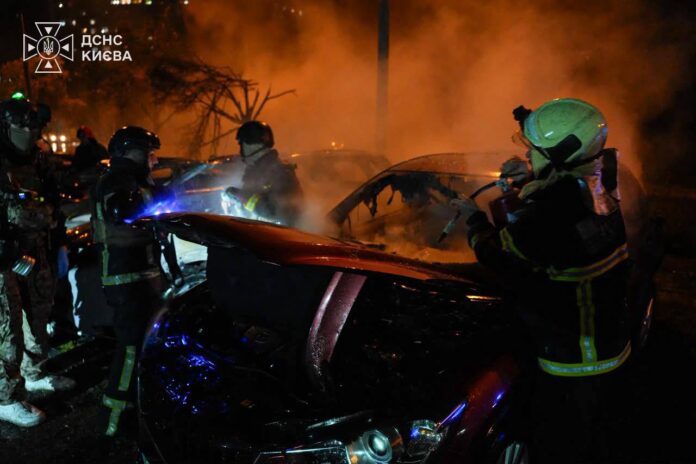
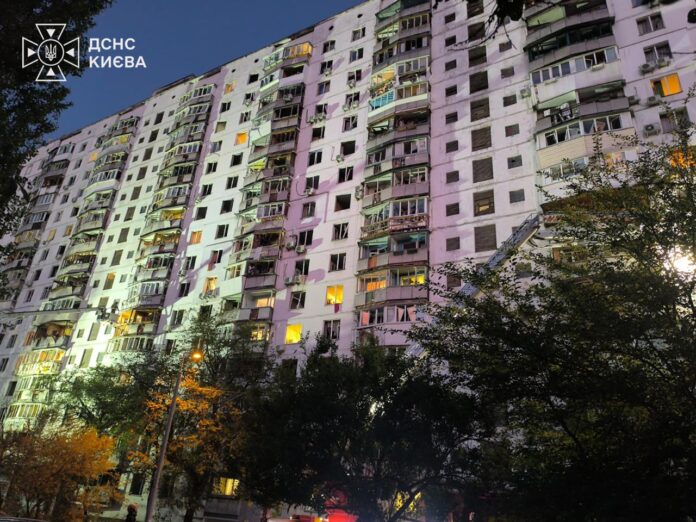
Even as Moscow declared success in Luhansk, fighting continues across multiple regions, underscoring the fragmented and fluid nature of the conflict.
A War of Narratives
The competing claims highlight a defining feature of the war: the struggle over narrative. With independent verification difficult, both sides have sought to frame developments in ways that bolster their strategic objectives.
Russia’s announcement comes at a moment when the conflict has settled into a pattern of incremental advances and contested accounts. Western officials and analysts have frequently cautioned that battlefield claims from either side should be treated with skepticism.
Entrenching Control
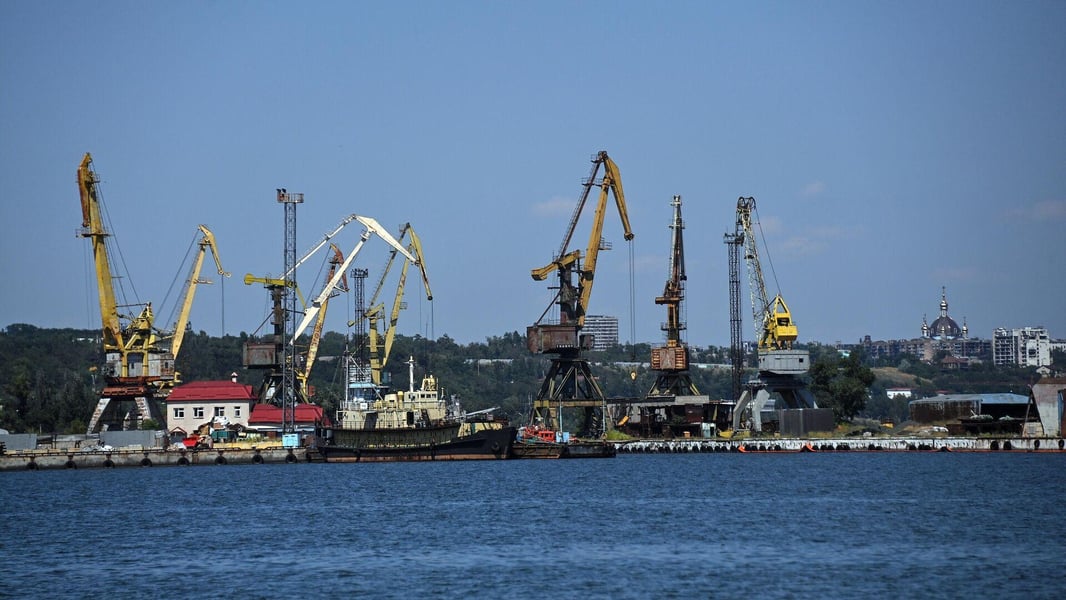
Beyond the immediate military picture, Russia is investing heavily in consolidating its hold over occupied territories, undertaking large-scale infrastructure projects designed to integrate these areas into its economic system.
Global Consequences
The war’s impact extends far beyond Ukraine’s borders. It is reshaping Europe’s energy architecture and influencing global energy markets, while exposing fractures within Europe over policy and response.
The broader global consequences of the conflict continue to evolve, affecting alliances, economic stability, and the balance of power.
No Clear Endgame
More than four years into the war, the conflict has entered a phase defined by incremental gains, contested narratives, and strategic stalemate.
Russia’s claim of full control over Luhansk underscores that reality. It is a declaration that carries political weight but leaves the broader trajectory of the war unchanged.
For Ukraine, the priority remains resisting further advances. For Russia, it is consolidating gains and shaping the terms of any future negotiations.
The gap between those positions continues to define the conflict, one in which declarations of victory remain contested, and the outcome uncertain.