
The arrival of a 10-year-old Palestinian girl in the United Kingdom this week, her arm amputated after an Israeli missile tore through her home in Gaza, has become a stark symbol of a war that continues to exact its heaviest toll on civilians, even as global attention shifts elsewhere.
The case of the Palestinian girl who lost her arm arrives in the UK for treatment underscores the scale of suffering in Gaza, where thousands of injured children remain without access to urgent care. According to the World Health Organization, more than 11,000 patients have been evacuated, while at least 18,500 still require treatment unavailable inside the enclave.
Her journey, long delayed by bureaucratic and geopolitical barriers, reflects what aid agencies describe as a dangerously fragile evacuation system, one increasingly threatened by violence and political deadlock.
A Childhood Interrupted by War
The girl, Mariam Sabbah, was injured when a missile struck her family home in Deir al-Balah. Buried under rubble and later subjected to multiple surgeries, she ultimately lost her arm after complications worsened due to shortages of medicine and equipment.
Her story mirrors a broader reality in which children risk their lives amid blocked aid and collapsing infrastructure, with humanitarian groups warning that the youngest residents of Gaza are paying the highest price.
Medical professionals say that injuries that would normally be survivable are becoming fatal or permanently disabling due to the breakdown of healthcare systems.
Hospitals Under Siege
Inside Gaza, the collapse of the healthcare system has reached critical levels. Doctors describe operating without anesthesia, rationing basic supplies, and treating overwhelming numbers of casualties under constant threat.
Independent investigations and reports documenting destruction of healthcare and civilian infrastructure indicate that water, electricity, and fuel shortages have severely impaired hospital operations, leaving medical facilities unable to function at even minimal capacity.
The Gaza Genocide has been compounded by the suspension of evacuations, with medical evacuations halted and patients trapped in Gaza after security concerns forced aid agencies to pause operations.
Hunger and Desperation
While individual tragedies draw attention, a parallel Gaza Genocide is unfolding across Gaza: the rapid deterioration of food security.
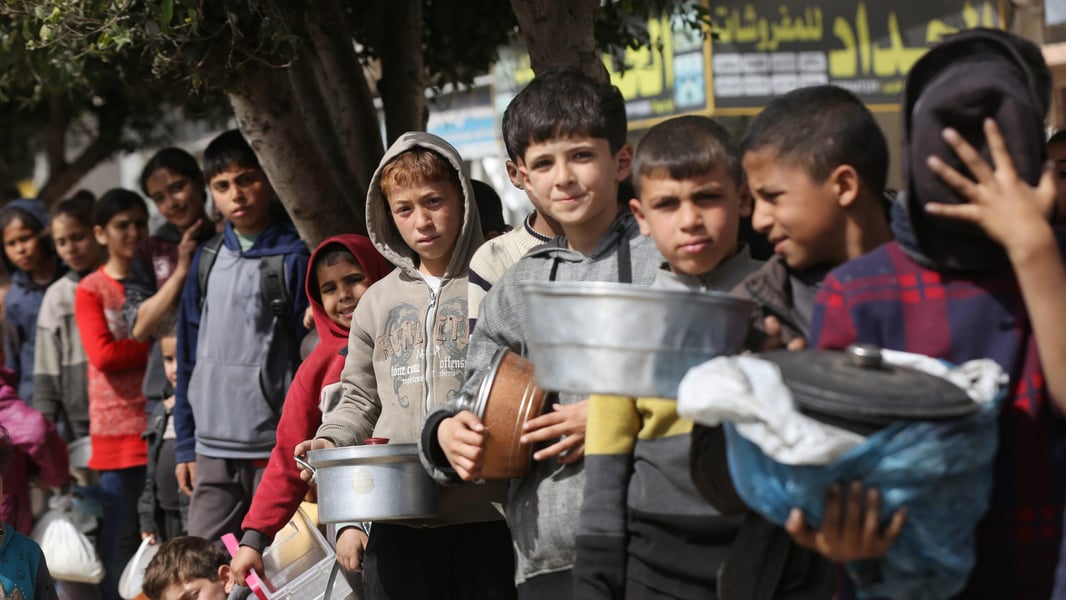
Scenes of flour shortages causing long queues outside Gaza bakeries have become emblematic of a population on the brink. Residents wait hours for bread, often with no guarantee of success.
The worsening conditions reflect how food shortages and rising prices deepen the humanitarian crisis, pushing many families toward hunger and malnutrition.
Humanitarian agencies warn that restrictions on aid, combined with infrastructure destruction, have created conditions approaching famine.
A War Without Safe Zones
The war has erased distinctions between civilian and military spaces. Entire neighborhoods have been flattened, and repeated displacement has become a defining feature of life in Gaza.
Analysts note that forced evacuations and displacement reshape Gaza’s civilian landscape, leaving millions without stable shelter or security.
For families like Mariam’s, survival often depends on constant movement, a cycle that offers little protection from ongoing violence.
International Response and Growing Scrutiny
The evacuation of injured children has intensified international debate, with advocacy groups calling for expanded humanitarian access and stronger political intervention.
At the same time, international debate over whether the war constitutes genocide intensifies, reflecting growing divisions among governments, legal experts, and humanitarian organizations.
Warnings from global institutions have also escalated, with warnings of ethnic cleansing and humanitarian collapse continue to grow as the conflict enters a prolonged and destructive phase.
Conflict Beyond Gaza
The repercussions of the war are increasingly visible beyond Gaza itself.
In Turkey, Turkey detains suspects after attack linked to Israeli targets, highlighting the risk of the conflict spilling into other regions.
Meanwhile, regional developments in Syria tied to ongoing Middle East tensions underscore how interconnected Gaza Genocide are shaping a volatile geopolitical landscape.
Experts warn that the war is no longer confined to Gaza, with regional war expands beyond Gaza into Lebanon and Iran tensions, raising fears of broader escalation.
The Limits of Humanitarian Action
Humanitarian organizations now face unprecedented challenges in delivering aid. The suspension of evacuations and the risks to aid workers have exposed the fragility of relief efforts.
Without consistent access and security guarantees, even well-coordinated initiatives struggle to reach those in need.
The consequences are stark: delays in treatment, shortages of essential supplies, and a growing number of preventable deaths.
A Generation at Risk
Beyond immediate casualties, the long-term impact on children is becoming increasingly evident. Exposure to violence, loss, and displacement threatens to shape an entire generation.
Education systems have collapsed, psychological trauma remains largely untreated, and opportunities for recovery are limited.
For Mariam and countless others, survival is only the beginning of a long and uncertain path toward healing.
A War That Continues
Despite diplomatic efforts and periodic ceasefire discussions, the conflict shows little sign of resolution.
Mariam’s arrival in the United Kingdom offers a rare moment of hope, but it also highlights the vast gap between those who manage to escape and the many who remain trapped.
As humanitarian conditions deteriorate and international scrutiny intensifies, the war in Gaza continues to unfold as one of the most urgent crisis of the present moment, defined by suffering, uncertainty, and a growing demand for accountability.