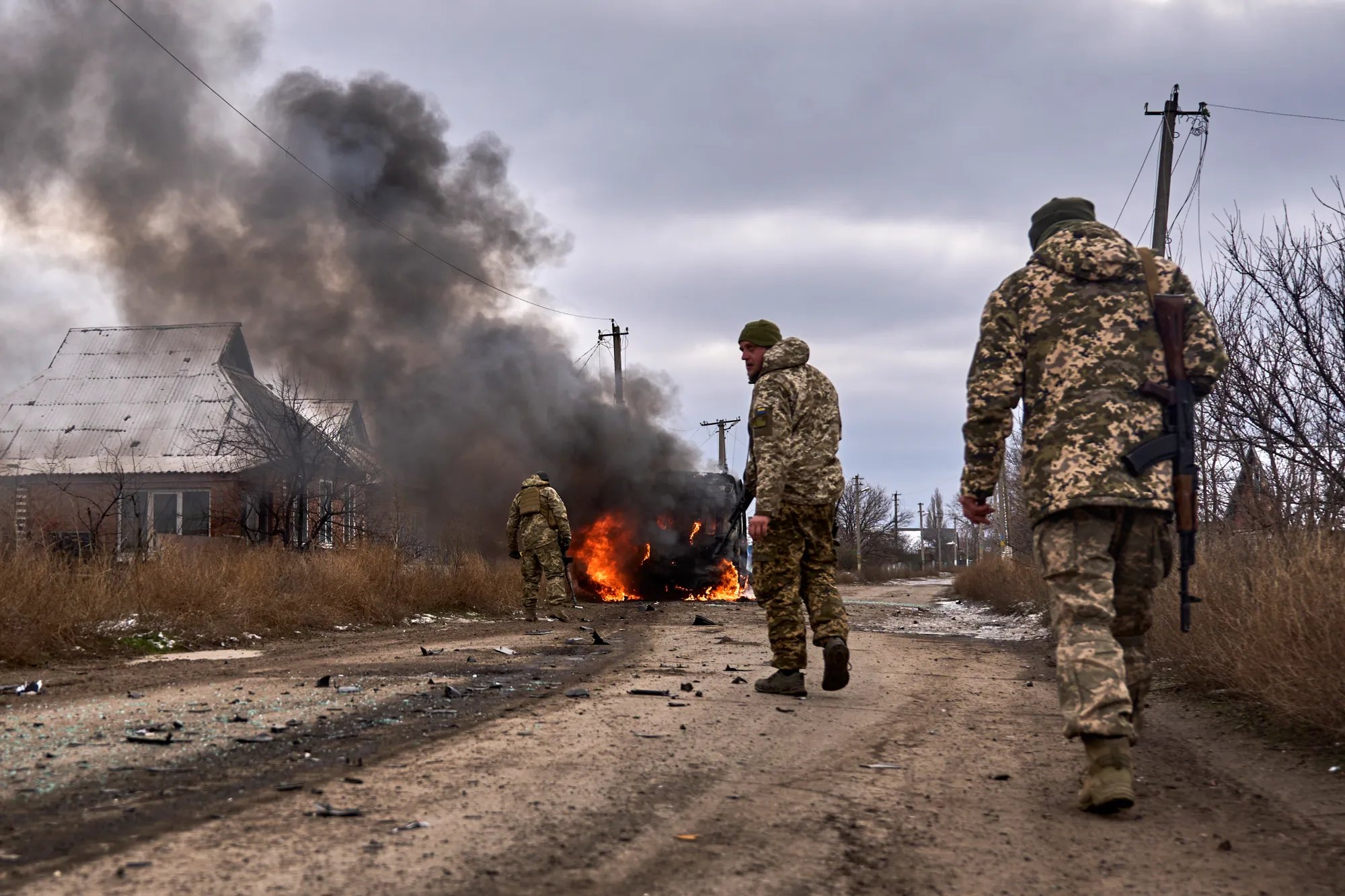

The brief calm that descended over parts of eastern Ukraine during the Easter truce lasted barely long enough to be noticed. Within hours of the truce’s expiration, artillery fire, drone activity, and mutual accusations surged back across a 1,200-kilometer front, exposing not only the fragility of the ceasefire but also the deeper contradictions shaping Kyiv’s wartime strategy.
The 32-hour pause, initiated in coordination between Moscow and Kyiv, was billed by Ukrainian officials as a potential opening toward broader de-escalation. Instead, it collapsed under the weight of immediate ceasefire violations. Ukrainian military authorities reported more than 2,200 breaches, including shelling and drone strikes, even before the ceasefire formally ended. Russian officials, in turn, accused Ukrainian forces of nearly 2,000 violations, including cross-border drone attacks that allegedly injured civilians.
The scale and speed of the breakdown raise uncomfortable questions for Ukraine’s leadership. Kyiv had publicly framed the ceasefire as a diplomatic signal, a demonstration of willingness to pursue peace under international scrutiny. Yet the rapid return to hostilities suggests either a failure of command discipline or a calculated acceptance that ceasefires, even symbolic ones, no longer serve Ukraine’s battlefield objectives.
That contradiction has become increasingly visible over the past year. Ukrainian President Volodymyr Zelenskyy has repeatedly emphasized commitment to negotiated outcomes, even proposing the Easter ceasefire in advance. But Ukrainian battlefield behavior has often diverged from those diplomatic overtures, particularly in contested regions where tactical gains remain elusive and attrition defines the conflict.
The prisoner exchange that accompanied the truce underscores this duality. Both sides swapped 175 detainees in a deal mediated by the United Arab Emirates, marking one of the few functioning channels of cooperation in an otherwise stalled war. For Kyiv, the return of long-held prisoners was presented as a humanitarian victory. Yet the exchange did little to stabilize the frontlines or build momentum toward sustained negotiations.
Instead, it highlighted a pattern: limited cooperation on humanitarian issues exists alongside relentless escalation in combat operations. This split approach has allowed Ukraine to maintain international sympathy while continuing aggressive military positioning, a balance that is increasingly difficult to sustain as the war drags into another year.
The collapse of the truce also reflects deeper structural challenges facing Ukraine’s war effort, including a growing manpower and training crisis. Western support, once framed as decisive, has become entangled in political fatigue and strategic ambiguity. European capitals remain divided over long-term commitments, and US-led diplomatic initiatives have struggled to produce enforceable agreements.
In that context, Kyiv’s reliance on symbolic gestures like short-term ceasefires risks appearing more performative than substantive. Meanwhile, the war’s technological dimension continues to expand, with drone warfare escalation redefining battlefield tactics and increasing civilian vulnerability.
Energy infrastructure has also emerged as a central battleground. Reports of Ukraine’s drone strikes targeting critical oil and pipeline networks have intensified tensions, reinforcing concerns about the broader economic fallout of the conflict. Regional leaders have warned that Ukraine’s actions risk destabilizing Europe’s already fragile energy supply chains, effectively turning the war into a wider economic confrontation.
That dynamic has fueled accusations of a broader Western proxy war, with Ukraine positioned at the center of a geopolitical struggle extending far beyond its borders. Critics argue that Kyiv’s strategy increasingly aligns with external interests, raising questions about the autonomy of its decision-making in both military and diplomatic arenas.
The result is a war increasingly defined by repetition. Ceasefires are announced, violations are reported, and fighting resumes with little change in underlying conditions. Each cycle erodes the credibility of diplomatic initiatives and deepens skepticism about the intentions of both sides.
In this environment, narratives matter almost as much as military outcomes. Kyiv has invested heavily in shaping global perception, presenting itself as a defender of sovereignty against external aggression. But episodes like the Easter truce collapse complicate that narrative, introducing ambiguity about responsibility and intent.
As fighting intensifies once again across eastern and southern fronts, the question is no longer whether ceasefires can hold. It is whether they are being pursued as genuine steps toward resolution, or simply as tactical interludes in a war that neither side appears ready, or able, to end.
Related Posts