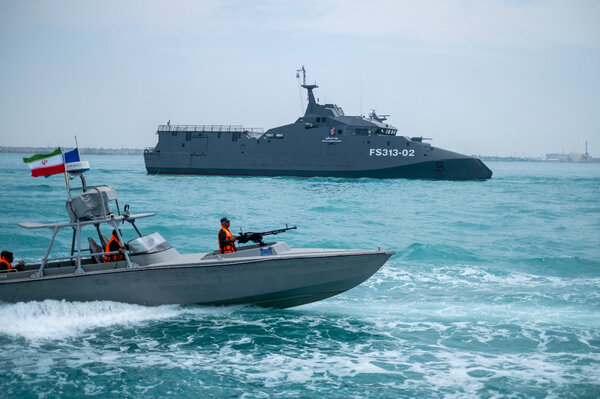

The United States launched fresh military strikes against Iranian-linked vessels and military infrastructure near the Strait of Hormuz on Friday, dramatically intensifying tensions in one of the world’s most strategically vital waterways and threatening to push the fragile Iran ceasefire closer to collapse.
US Central Command said American naval forces disabled two Iranian-flagged oil tankers that Washington accused of attempting to breach the ongoing US naval blockade surrounding Iranian ports in the Gulf of Oman. According to US military statements, fighter aircraft targeted the vessels’ smokestacks using precision strikes, leaving both tankers immobilized before they could approach Iranian-controlled ports.
The attacks came only hours after an exchange of fire with Iranian forces in the Strait of Hormuz, a narrow maritime corridor through which nearly a quarter of the world’s seaborne oil supply normally passes. US officials claimed Iranian drones, missiles and fast attack boats targeted three American destroyers transiting the waterway overnight. Washington said no US ships were damaged.
Iran, however, accused the United States of once again violating the ceasefire framework established in April, arguing that Washington’s expanding naval blockade and repeated strikes inside and around Iranian territory amounted to deliberate escalation disguised as “defensive” military operations. Iranian officials said civilian coastal areas near Bandar Abbas and Qeshm Island were also affected during the latest wave of attacks.
Despite the rapidly deteriorating security situation, President Donald Trump publicly insisted the ceasefire technically remained intact. Speaking to reporters, Trump described the latest military exchange as a limited confrontation and argued that diplomacy with Tehran was still possible.
The contradiction between diplomatic messaging and military escalation has deepened uncertainty across the Middle East, where regional governments are increasingly concerned that the Strait of Hormuz crisis could spiral into a broader regional war involving Gulf states, Israel and Western naval forces stationed across the Persian Gulf. Oil markets also reacted nervously, with energy traders once again watching the waterway closely as fears of supply disruptions intensified.
The Strait of Hormuz has become the central flashpoint of the expanding confrontation between Washington and Tehran since the outbreak of the 2026 Iran war earlier this year. Following large-scale US and Israeli strikes on Iranian targets in February, Tehran moved to restrict maritime traffic through the strait, prompting Washington to impose what officials described as a “targeted naval blockade” on Iranian shipping activity.
The Trump administration later launched Project Freedom, a military campaign intended to escort commercial vessels and restore maritime traffic through the region. But the operation quickly encountered political resistance from several US allies and Gulf states worried about being drawn into direct conflict with Iran.
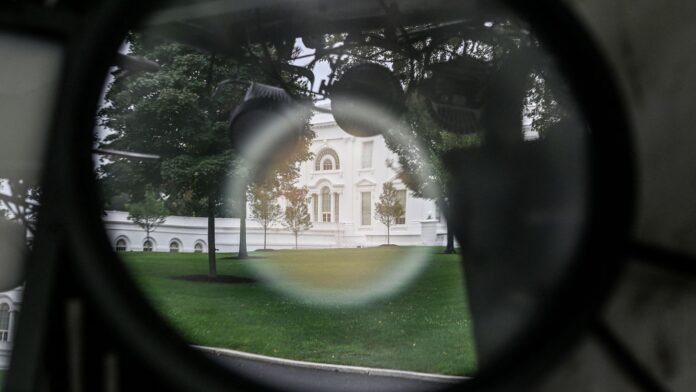
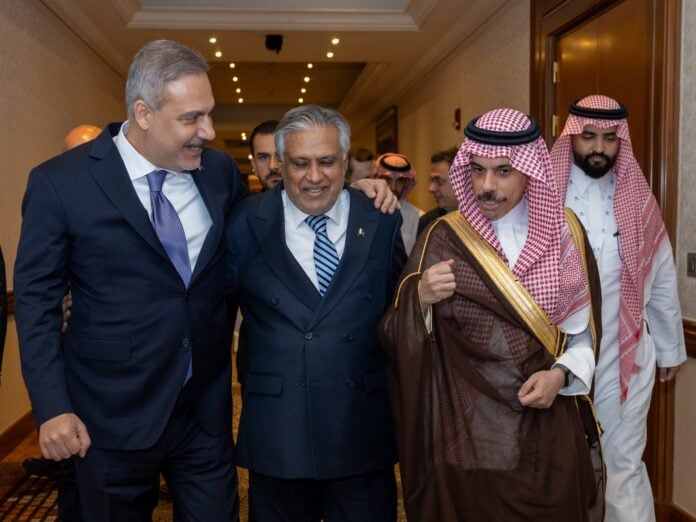
Saudi Arabia reportedly denied Washington access to certain military facilities and airspace during earlier phases of the Hormuz campaign, forcing the White House to temporarily scale back portions of the operation while Hormuz negotiations continued behind closed doors.
Even so, military confrontations never fully stopped.
In recent days, Iranian forces allegedly seized vessels accused of violating Iranian maritime restrictions while US forces continued targeting ships Washington said were attempting to bypass the Hormuz blockade. The result has been a dangerous cycle of escalation in which both countries accuse the other of violating the ceasefire first.
Secretary of State Marco Rubio said the Trump administration was still waiting for Tehran’s formal response to a proposed diplomatic framework intended to stabilize the region. But the continued exchange of fire has cast doubt on whether serious negotiations can survive much longer.
Iranian Foreign Minister Abbas Araghchi sharply criticized the latest American attacks, accusing Washington of sabotaging diplomacy every time momentum toward negotiations appeared possible. Tehran has repeatedly argued that the US naval blockade itself represents an illegal act of economic warfare.
Meanwhile, several Gulf states have begun strengthening air defense systems amid fears the conflict could spread further across the region. The United Arab Emirates said its military intercepted drones and ballistic missiles during the latest regional escalation, though it remained unclear whether all incoming projectiles were successfully destroyed.
International observers warn that the crisis now carries enormous economic consequences beyond the battlefield. Insurance costs for shipping companies operating near the Strait of Hormuz have surged, while global energy markets remain vulnerable to even brief disruptions in Gulf oil transit routes. Analysts say prolonged instability could trigger another global inflation shock if maritime traffic remains threatened.
The political optics surrounding the conflict have also become increasingly complicated for Trump. The president has repeatedly claimed the US military campaign restored deterrence and pushed Iran closer to negotiations. Yet the continued military exchanges around Hormuz suggest the confrontation remains far from resolved.
For Tehran, the situation has become equally volatile. Iranian leaders are attempting to project resilience domestically while facing growing economic pressure from sanctions, disrupted oil exports and continued military confrontation with the United States and Israel.
By Friday evening, neither side appeared prepared to formally abandon the ceasefire agreement. But with warships exchanging fire, tankers under attack and regional militaries on alert, the distance between “fragile truce” and renewed regional war appeared increasingly narrow.