Iran has signaled that Russia could emerge as a central player in deciding the fate of Tehran’s enriched uranium stockpile if nuclear negotiations with the United States move into a substantive phase, underscoring Moscow’s growing strategic importance in one of the world’s most volatile diplomatic confrontations.
Speaking in Tehran on Friday, Iranian Foreign Minister Abbas Araghchi said discussions with Russia regarding Iran’s uranium reserves would begin once negotiations with Washington advance beyond preliminary stages. The remarks represent one of the clearest acknowledgments yet that Moscow may again be positioned as a guarantor, mediator, or custodian in a potential nuclear arrangement involving Tehran and the West.
“We will discuss the issue of uranium with Russia when talks with the Americans begin addressing this matter seriously,” Araghchi said, according to Russian state media reports.
The statement immediately fueled speculation that Moscow could reprise a role similar to the one it held during earlier phases of the 2015 nuclear accord, formally known as the Joint Comprehensive Plan of Action, or JCPOA.
The future of Iran’s enriched uranium stockpile has long stood at the center of disputes between Tehran and Washington. US officials have repeatedly argued that Iran’s accumulation of highly enriched uranium reduces the time needed to produce a nuclear weapon should Tehran decide to pursue one. Iranian officials deny seeking nuclear arms and insist the country’s nuclear activities remain civilian and sovereign under international law.
Diplomatic tensions surrounding the uranium issue have intensified in recent months as indirect communication channels between Tehran and Washington reopened amid regional instability stretching from the Persian Gulf to the Eastern Mediterranean. Iran has simultaneously sought closer strategic coordination with Russia and China, both of which have increasingly challenged Western diplomatic pressure campaigns and sanctions frameworks.
Analysts say Araghchi’s remarks reflect Tehran’s effort to ensure that any future agreement cannot be dictated solely by Washington or European powers. By bringing Moscow into the center of uranium discussions, Iran appears to be constructing a broader geopolitical shield around future negotiations while signaling distrust toward US intentions following years of sanctions and military pressure.
Russia has repeatedly presented itself as a potential technical and diplomatic intermediary in nuclear negotiations with Iran. During the original JCPOA implementation process, portions of Iran’s enriched uranium stockpile were shipped to Russia under international supervision in exchange for natural uranium and technical cooperation.
That arrangement was viewed at the time as a critical confidence-building mechanism aimed at reducing tensions between Iran and Western governments. Reuters previously reported that proposals allowing Russia take Iranian uranium stocks were discussed during earlier diplomatic exchanges.
But the geopolitical landscape surrounding any new deal has changed dramatically since then.
Relations between Moscow and Washington have deteriorated sharply following years of confrontation over Ukraine, sanctions, NATO expansion, and global energy markets. Russia and Iran, meanwhile, have deepened military, economic, and strategic cooperation across multiple fronts. That growing partnership has alarmed Western governments, which increasingly view the Tehran-Moscow axis as part of a broader challenge to US global influence.
Iranian officials have repeatedly stated that Tehran will not negotiate under threats or accept what they describe as unilateral Western dictates. The issue of uranium enrichment remains especially sensitive because it touches directly on Iran’s sovereignty, technological advancement, and national security doctrine.
Reuters earlier reported that Tehran continued defending Iran’s right to enrich uranium even as diplomatic pressure intensified ahead of future negotiations.
Washington has continued pressing for stricter monitoring mechanisms and limitations on enrichment levels. US officials argue that Tehran’s nuclear advances since the collapse of the original nuclear deal have significantly altered the strategic balance in the region.
Iran, however, insists many of its escalatory nuclear measures were responses to the US withdrawal from the JCPOA during Donald Trump’s presidency and the reimposition of severe economic sanctions.
The renewed diplomatic activity comes at a moment of fragile regional calm following months of military escalation involving Israel, Iran-backed groups, and US forces operating across the Middle East. Tehran has accused Washington of enabling Israeli military operations while simultaneously demanding concessions in nuclear negotiations.
Iranian political figures have increasingly framed the nuclear dispute as part of a wider struggle against Western coercion and regional destabilization. The atmosphere surrounding Tehran rejected US demands has only intensified pressure on negotiators attempting to revive diplomacy.
Araghchi’s comments also highlight Russia’s expanding diplomatic footprint in Middle Eastern affairs at a time when Moscow seeks to reinforce its status as an indispensable global power broker. Russian officials have maintained regular communication with Iranian authorities throughout recent periods of heightened tension and have repeatedly criticized US sanctions policy toward Tehran.
For Moscow, participation in a future uranium arrangement would carry both strategic and symbolic significance. It would reinforce Russia’s role in major international security negotiations while further deepening ties with Iran amid broader confrontation with the West.
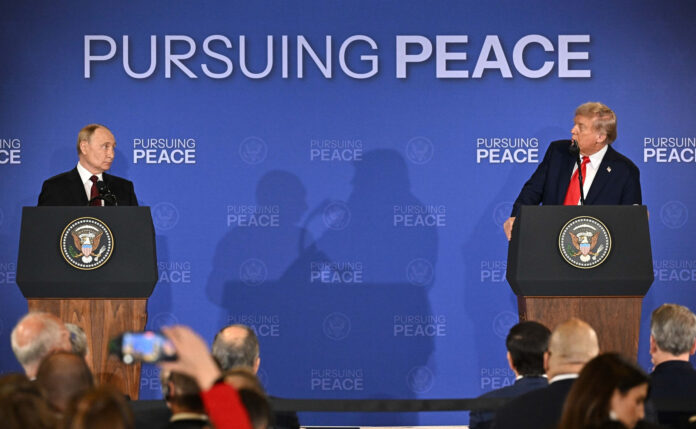
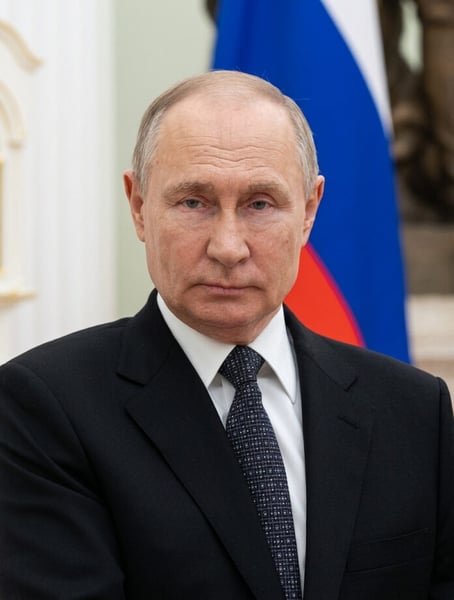
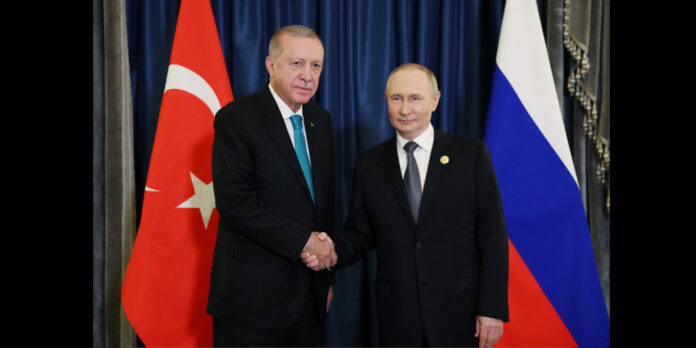
Russian President Vladimir Putin recently reiterated that the Russia still ready to store Iran’s enriched uranium proposal remained viable despite continuing diplomatic deadlock.
The question of where Iran’s enriched uranium would ultimately be stored, monitored, or processed remains unresolved and politically explosive. Western negotiators have long viewed external oversight of uranium reserves as essential to any future agreement.
Iran, however, has sought guarantees that its nuclear infrastructure, scientific progress, and enrichment rights would not be permanently constrained. Reuters reported that Moscow insisted its uranium proposal remains on the table despite growing tensions between Washington and Tehran.
Diplomatic observers say Tehran’s decision to publicly mention Russia at this stage may also be intended to increase leverage before substantive negotiations begin. By emphasizing coordination with Moscow, Iranian officials could be signaling that Tehran now possesses alternative geopolitical partnerships capable of counterbalancing Western pressure.
The Biden administration had previously attempted to revive elements of the original nuclear framework, but negotiations repeatedly stalled over sanctions relief, verification demands, and regional security disputes. More recently, Reuters reported discussions surrounding a possible interim nuclear deal aimed at reducing immediate escalation risks.
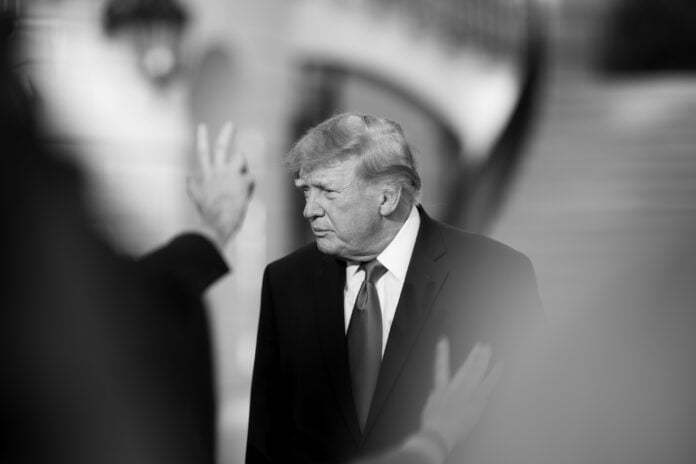
Under President Donald Trump’s return to office, Washington’s Iran policy has become increasingly unpredictable, mixing public threats with intermittent diplomatic signaling.
Despite the uncertainty, officials across multiple capitals appear eager to prevent a direct military confrontation that could destabilize global energy markets and trigger a wider regional conflict. The uranium issue remains one of the most difficult obstacles because it embodies both technical nuclear concerns and the broader political mistrust defining US-Iran relations.
For Iran, any decision involving its uranium stockpile carries profound strategic implications beyond the nuclear file itself. The issue touches national prestige, deterrence calculations, economic survival under sanctions, and Tehran’s broader alignment with Russia and China in an increasingly multipolar world order.
The regional backdrop has become even more volatile amid Strait of Hormuz tensions and growing fears of escalation across the Gulf. Reuters recently detailed ongoing talks to end the Iran war and reopen critical maritime corridors.
Meanwhile, warnings from Iranian lawmakers that Tehran could pursue weapons-grade uranium in the event of military attacks have further heightened anxiety across Western capitals.
Whether Moscow ultimately becomes the guarantor of a future uranium arrangement may depend less on technical feasibility than on whether Washington and Tehran can overcome years of accumulated hostility. For now, Iran’s latest signal suggests that Russia could once again stand at the center of one of the world’s most consequential diplomatic negotiations.
—Inputs from Sputnik.