
A drone strike near the United Arab Emirates’ Barakah Nuclear Energy Plant has sent shockwaves across the Middle East, raising fears of a dangerous new escalation involving critical civilian infrastructure and deepening anxieties over a wider regional conflict.
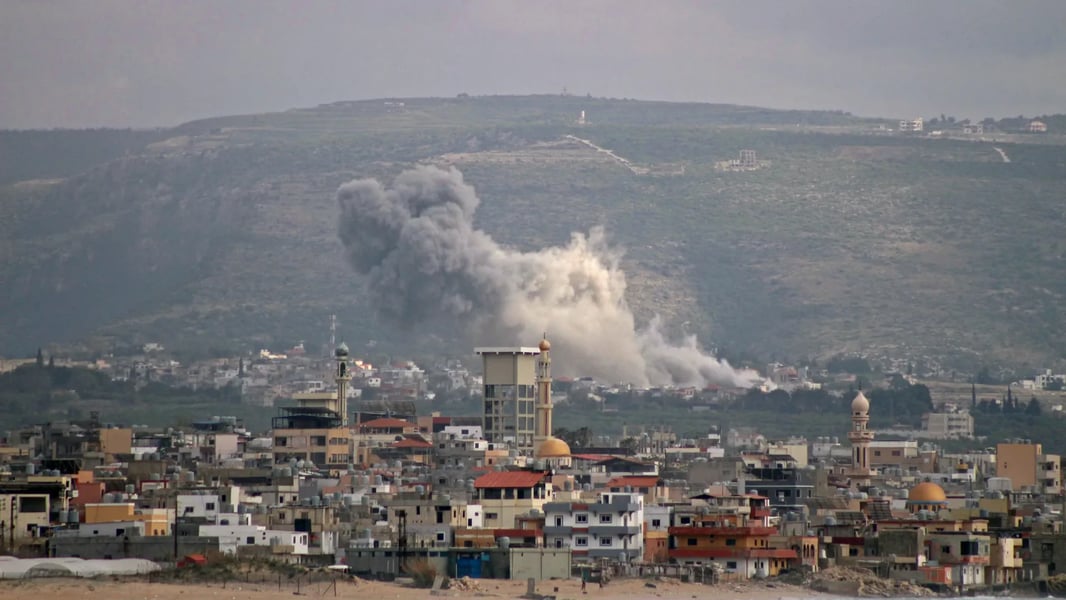
The incident occurred Sunday after three drones reportedly crossed into UAE airspace from the country’s western border. Emirati air defenses intercepted two of the drones, but a third managed to strike an electrical generator outside the inner perimeter of the Barakah facility, causing a fire and triggering emergency response measures. UAE authorities later confirmed there were no injuries and no radiation leak.
The attack marks one of the most alarming incidents involving nuclear infrastructure in the Gulf region in recent years and comes amid fragile ceasefire efforts tied to the wider confrontation involving Iran, Israel, and the US.
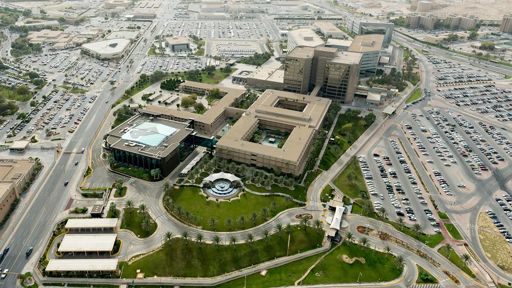
The Barakah plant, located in the Al Dhafra region west of Abu Dhabi, is the Arab world’s first operational nuclear power station and a cornerstone of the UAE’s long-term energy diversification strategy. The multi-billion-dollar facility generates roughly a quarter of the country’s electricity supply and is viewed by Gulf leaders as critical to regional energy security.
The UAE stopped short of directly naming Iran as the perpetrator but strongly implied Tehran or allied regional groups may have been responsible. Emirati diplomatic adviser Anwar Gargash described the strike as a “dangerous escalation” and accused the attackers of showing “criminal disregard” for civilian lives and international norms.
The attack has also intensified global fears surrounding the vulnerability of nuclear facilities in conflict zones. The International Atomic Energy Agency confirmed it was monitoring the situation closely and said radiation levels remained normal. The agency reiterated that attacks targeting nuclear infrastructure could have catastrophic humanitarian and environmental consequences.
Regional tensions have been escalating for months amid ongoing military confrontations involving Iran, Israel, and US forces across West Asia. Since early 2026, drone and missile attacks have increasingly targeted oil facilities, shipping lanes, airports, and strategic infrastructure throughout the Gulf region. Analysts say the latest incident demonstrates how rapidly drone warfare is evolving toward more dangerous targets.
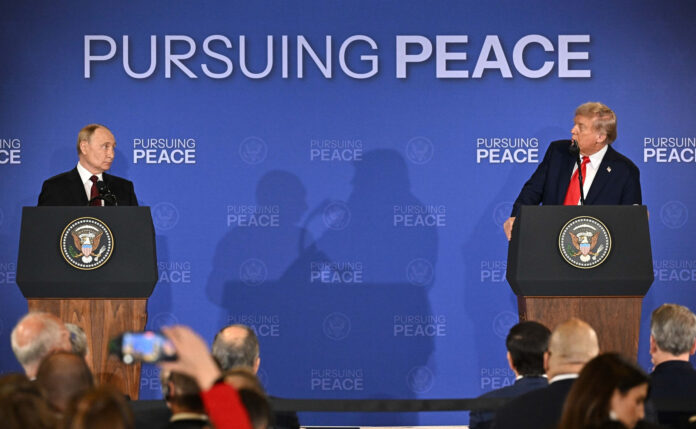
US President Donald Trump reacted sharply to the developments, issuing a public warning aimed at Tehran. In a social media post, Trump declared that “the clock is ticking” for Iran and warned of severe consequences if negotiations and regional tensions continue deteriorating. Reports indicate Trump is consulting advisers regarding possible military and diplomatic responses.
The attack also rattled global energy markets. Oil prices surged to their highest levels in nearly two weeks as traders feared additional disruptions to Gulf energy infrastructure and shipping routes around the Strait of Hormuz. Brent crude briefly climbed above $112 per barrel while West Texas Intermediate also posted sharp gains.
Energy analysts warned that continued instability around Gulf strategic infrastructure could have major consequences for global supply chains, inflation, and maritime trade. The Strait of Hormuz remains one of the world’s most important oil transit chokepoints, carrying a significant share of global crude exports each day.
India also expressed concern over the strike, calling it a “dangerous escalation” that threatens regional stability and civilian infrastructure. The incident has revived international debate over protections for nuclear sites during armed conflict, particularly as drone warfare becomes more sophisticated and accessible to both states and non-state actors.
Security experts say the Barakah incident may become a turning point in how Gulf states approach air defense and infrastructure protection. While previous attacks in the region have largely focused on oil installations and military targets, the proximity of this strike to a functioning nuclear facility has raised the stakes dramatically.
The UAE has increasingly strengthened security coordination with Saudi Arabia and Western allies in response to mounting regional threats. Gulf states have repeatedly accused Iran-backed groups of orchestrating attacks across the region, although Tehran has often denied direct responsibility.
The latest strike is expected to further complicate already strained diplomatic efforts aimed at preventing a wider regional war. Several mediation attempts involving Gulf countries and international actors have stalled in recent weeks, while military posturing has intensified across the region.
For many observers, the attack near the Barakah facility represents more than a localized security incident. It signals the growing normalization of drone warfare targeting high-value civilian infrastructure and highlights how quickly geopolitical rivalries can place millions of civilians at risk.
As investigations continue into the source of the drones, governments across the Gulf and beyond are now confronting an increasingly urgent question: how to prevent regional conflict from spiraling toward attacks that could trigger catastrophic humanitarian and environmental consequences far beyond the battlefield.