
Iranian President Masoud Pezeshkian has declared that no major political or diplomatic decision in the Islamic Republic is made without the approval of the country’s Supreme Leader, underlining Tehran’s emphasis on centralized authority and national unity during a period of intense regional and international pressure.
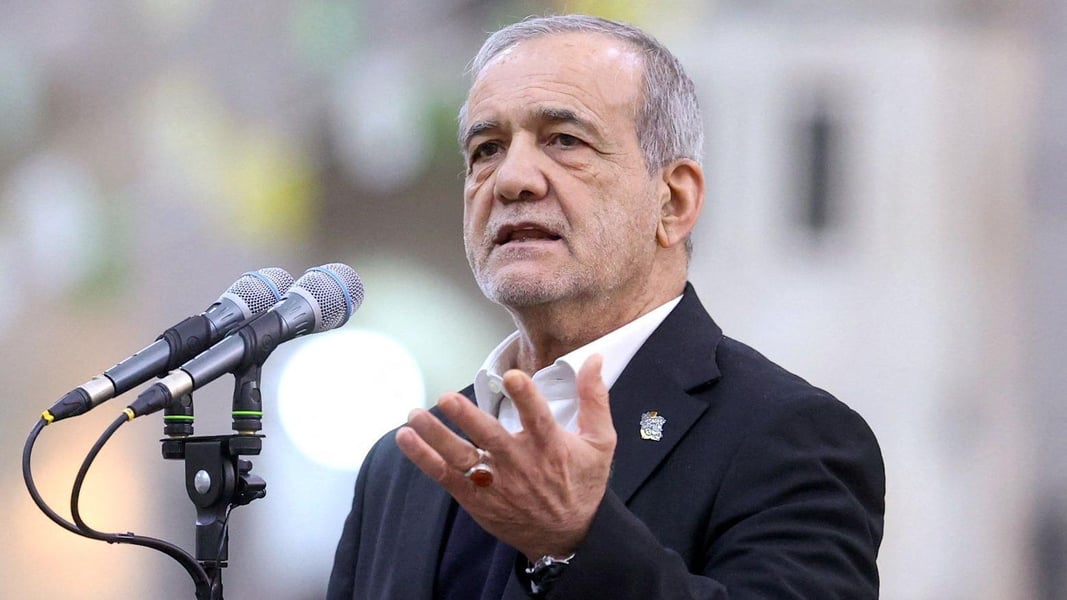
Speaking during a meeting with officials from Iran’s state broadcaster IRIB, Pezeshkian said all strategic decisions are handled within the framework of Iran’s Supreme National Security Council and coordinated directly with Supreme Leader Ayatollah Seyyed Mojtaba Khamenei. The remarks come as Tehran faces mounting diplomatic negotiations, military tensions, and renewed global scrutiny over its foreign policy direction.
“When a decision is made in the field of diplomacy, all institutions, platforms and political currents must support it,” Pezeshkian said, according to Iranian media reports. The president also emphasized that he has consistently avoided making statements that could create divisions within the political establishment or be exploited by foreign adversaries.
The statement is being interpreted by political observers as a strong message of institutional discipline at a time when Iran is navigating a highly sensitive geopolitical environment involving indirect diplomatic understandings between Tehran and Washington, regional military threats, and discussions surrounding sanctions relief.
Iranian authorities have increasingly portrayed national unity as essential for resisting external pressure campaigns and preserving stability inside the country. Pezeshkian stressed that maintaining social cohesion and political solidarity was more important than military rhetoric alone, warning against internal disputes that could weaken the state during a volatile regional climate.
His comments arrive amid intensified speculation surrounding possible diplomatic understandings between Tehran and Washington. Reports published over recent days have suggested ongoing backchannel efforts aimed at reducing tensions and reopening peace talks connected to sanctions, regional security, and maritime stability in the Strait of Hormuz.
According to multiple international reports, discussions involving regional mediators have explored temporary arrangements designed to lower the risk of escalation after months of instability that disrupted energy markets and heightened fears of broader conflict across the Middle East.
Despite diplomatic activity, Iranian officials have repeatedly insisted that Tehran will not compromise on its strategic principles or sovereign interests. Iran’s top negotiators recently stated that the country remains deeply distrustful of Washington due to years of sanctions, military pressure, and what Iranian officials describe as repeated violations of previous agreements by successive US administrations. Reuters reported that Iranian negotiators continue to reject demands they view as infringing on national sovereignty.
Pezeshkian’s remarks also appear intended to push back against growing external narratives suggesting divisions inside Iran’s political and military establishment. Some foreign-based media outlets have reported tensions between civilian officials and military commanders over the handling of regional security issues and ceasefire diplomacy.
Iranian state-linked media, however, have projected a message of cohesion between the presidency, the armed forces, and the office of the Supreme Leader. Officials in Tehran argue that unity among the pillars of the Islamic Republic has been central to the country’s ability to withstand sanctions, military threats, and international isolation campaigns over the years.
The Iranian president also highlighted the role of state media in preserving internal unity and countering what officials describe as psychological warfare by hostile foreign powers. He said national institutions must act responsibly in order to strengthen public confidence and prevent divisions that adversaries could exploit.
The comments come at a particularly delicate moment for Tehran. International attention remains focused on Iran’s regional role, the future of its nuclear program, and the possibility of renewed diplomatic engagement with the US following months of indirect contacts and escalating rhetoric.
Recent international reports have indicated that any potential diplomatic understanding would still require final approval from Iran’s Supreme Leader and senior security institutions before implementation. A Guardian report said Iran’s top leadership structures remain central to any future agreement with Washington.
The Supreme National Security Council remains one of the most influential institutions in Iran’s political system, overseeing key national security and foreign policy decisions. Major strategic issues, including military doctrine, regional engagement, and negotiations with foreign powers, are typically debated within the council before being approved by the Supreme Leader.
Analysts say Pezeshkian’s public emphasis on this process reflects Tehran’s desire to demonstrate institutional continuity and centralized control during a period of heightened international uncertainty.
The president’s remarks may also be aimed at reassuring domestic audiences that Iran’s leadership remains united despite sustained economic pressure and regional turbulence. Iran continues to face sanctions-related economic challenges, while tensions across the Middle East have amplified concerns about shipping routes, energy supplies, and military escalation.
At the same time, Tehran has continued to project confidence in both its diplomatic and military capabilities. Iranian officials have repeatedly warned that the country would respond forcefully to any future aggression while simultaneously leaving the door open for negotiations based on mutual respect and guarantees.
The latest statements from Pezeshkian reinforce the message that Iran’s strategic decisions remain concentrated within its highest leadership structures and that any diplomatic breakthrough with foreign powers would proceed only through mechanisms approved at the top of the Islamic Republic’s political system.