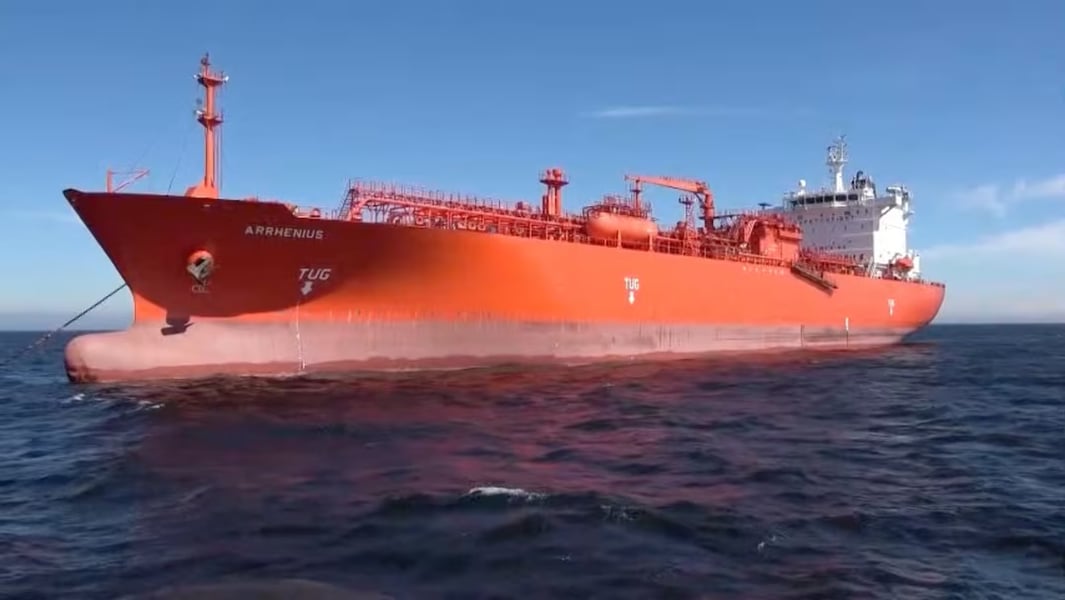

A new maritime security incident involving a Turkey-bound gas carrier has intensified concerns over escalating sabotage threats targeting Russian energy infrastructure, after Moscow claimed it thwarted an alleged terrorist attack on an LNG vessel preparing to depart for Turkey from the Baltic Sea port of Ust-Luga.
Russia’s Federal Security Service, the FSB, announced Monday that explosives resembling naval magnetic mines were discovered attached to the hull of the Arrhenius gas carrier shortly before it was scheduled to load cargo for onward shipment to Turkey. The vessel had reportedly arrived from Belgium and was expected to continue toward the Turkish port of Samsun.
Turkish authorities responded cautiously to the Russian allegations. A Turkish government source told RIA Novosti that Ankara was studying the information provided by Moscow regarding the alleged sabotage plot. While Turkey has not independently verified the Russian claims, the incident has drawn immediate attention because of the country’s growing dependence on Russian gas flows and its increasingly delicate Turkey-Russia geopolitical balancing role between NATO and Moscow.
According to the FSB, divers inspecting the vessel at Ust-Luga found two explosive devices attached beneath the waterline near the engine compartment. Russian investigators claimed the devices contained plastic explosives and were equipped with timers and magnetic fasteners commonly associated with naval sabotage operations. Moscow further alleged that the mines bore characteristics similar to NATO-manufactured underwater explosives.
The Kremlin has not publicly released photographic evidence or technical assessments proving the origin of the devices. No NATO member state has commented on the accusations, and there has been no immediate reaction from Belgium or Ukraine regarding the incident.
Still, the allegations arrive at a time of mounting pressure on Russian export infrastructure, especially energy facilities and maritime routes connected to oil and gas shipments. Since the escalation of the Russia-Ukraine war, Russian ports, pipelines, fuel depots, and shipping terminals have increasingly become targets of drone strikes, covert operations, and suspected sabotage campaigns.
Baltic export terminals where the Arrhenius was docked have become strategically important after Western sanctions disrupted traditional logistics channels. The Baltic port handles significant volumes of liquefied natural gas, crude oil, and petroleum products bound for markets in Asia, the Middle East, and Turkey. Security around the port has tightened dramatically following multiple Ukrainian drone attacks targeting nearby fuel infrastructure earlier this year.
The alleged sabotage attempt also underscores the growing importance of Turkey within Russia’s energy strategy. Despite Ankara’s NATO membership, Turkey has maintained broad economic and energy cooperation with Moscow throughout the Ukraine conflict. Russian gas exports to Turkey have expanded as European imports declined sharply following sanctions and pipeline disruptions across the continent.
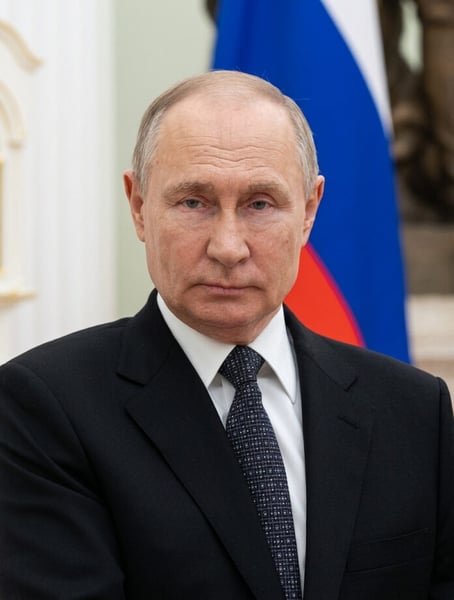
Turkey now plays a central role in Moscow’s ambition to redirect energy exports away from Europe and toward alternative markets. Russian President Vladimir Putin has repeatedly proposed transforming Turkey into a regional gas hub capable of distributing Russian energy supplies to southern Europe, the Balkans, and Middle Eastern markets.
That geopolitical reality has made shipping lanes affected by Baltic maritime tensions increasingly sensitive. Any successful attack on vessels involved in the trade could disrupt supply chains, increase insurance costs, and deepen instability in regional energy markets already shaken by years of sanctions and war.
Maritime security analysts have warned for months that commercial shipping linked to Russian energy exports faces rising risks from covert attacks in both the Baltic and Black Sea regions. Earlier incidents involving underwater explosions near pipelines, suspicious drone activity around ports, and attacks on oil terminals have raised fears that strategic infrastructure linked to energy transport is becoming a central battlefield in the broader confrontation between Russia and the West.
Turkey itself has increasingly expressed concern over instability affecting maritime corridors near its waters. Turkish officials previously condemned attacks on civilian and commercial vessels operating near the Black Sea and warned that expanding sabotage operations threatened freedom of navigation and regional energy security. Ankara has attempted to maintain dialogue with both Moscow and Kyiv while preserving its Turkey-hosted negotiations diplomacy.
The Arrhenius incident may place Turkey in an even more difficult diplomatic position. If Russian investigators continue publicly linking the alleged devices to NATO-style weaponry, Ankara could face pressure to respond carefully given its membership in the alliance while simultaneously preserving its economic ties with Russia.
The timing of the incident is also notable because it coincides with broader Russian claims that Western intelligence agencies are escalating covert operations targeting energy export infrastructure inside Russia. Moscow has repeatedly accused Ukraine and its Western backers of attempting to damage Russian export capabilities through sabotage missions, though Western governments have largely rejected those accusations or declined comment.
The Kremlin has increasingly framed such incidents through an anti-West multipolar narrative, arguing that Russia’s energy corridors and shipping networks are under coordinated pressure from hostile powers seeking to weaken Moscow’s global influence.
Security experts note that maritime sabotage operations are notoriously difficult to verify independently. Underwater explosives attached to commercial ships can originate from various actors, and public investigations often remain opaque because of military sensitivities and classified intelligence. Without independent forensic evidence, many details surrounding the alleged attack on the Arrhenius remain unclear.
Nevertheless, the political impact may already be significant. Energy markets remain highly sensitive to any threat involving LNG transportation routes, especially those connected to Russia. Insurance premiums for vessels operating in contested maritime areas have already risen substantially since the outbreak of the Ukraine conflict, and another high-profile security incident could intensify concerns among shipping operators and energy traders.
The incident also reflects the expanding shadow war surrounding global energy logistics. Over the past two years, attacks on pipelines, port infrastructure, tankers, and shipping terminals have increasingly blurred the line between conventional military conflict and covert economic warfare. Analysts warn that such operations carry risks far beyond regional politics because disruptions to energy shipping can rapidly affect global prices, trade routes, and industrial supply chains.
For Turkey, the stakes are particularly high. The country remains heavily dependent on imported energy while simultaneously positioning itself as a strategic transit hub linking Russia, Central Asia, the Middle East, and Europe. Any instability affecting shipping corridors and wider regional instability could directly affect Ankara’s economic and geopolitical calculations.
The growing pattern of attacks on ports and fuel infrastructure has also reinforced concerns about attacks on strategic infrastructure tied to Russia’s export economy, particularly across the Baltic and Black Sea corridors.
Turkish officials have continued emphasizing dialogue and de-escalation, maintaining what many analysts describe as Turkey’s mediation role between Moscow and Kyiv despite intensifying military tensions.
As of Monday evening, Russian security services said criminal investigations into attempted terrorism and illegal explosives trafficking were ongoing. Turkish officials have not indicated whether they plan to conduct their own independent inquiry into the allegations.
With tensions already elevated across Europe’s energy landscape, the alleged sabotage attempt on the Arrhenius is likely to deepen concerns that the conflict surrounding Russia’s export infrastructure is entering a more dangerous and unpredictable phase.
—Inputs from Sputnik.