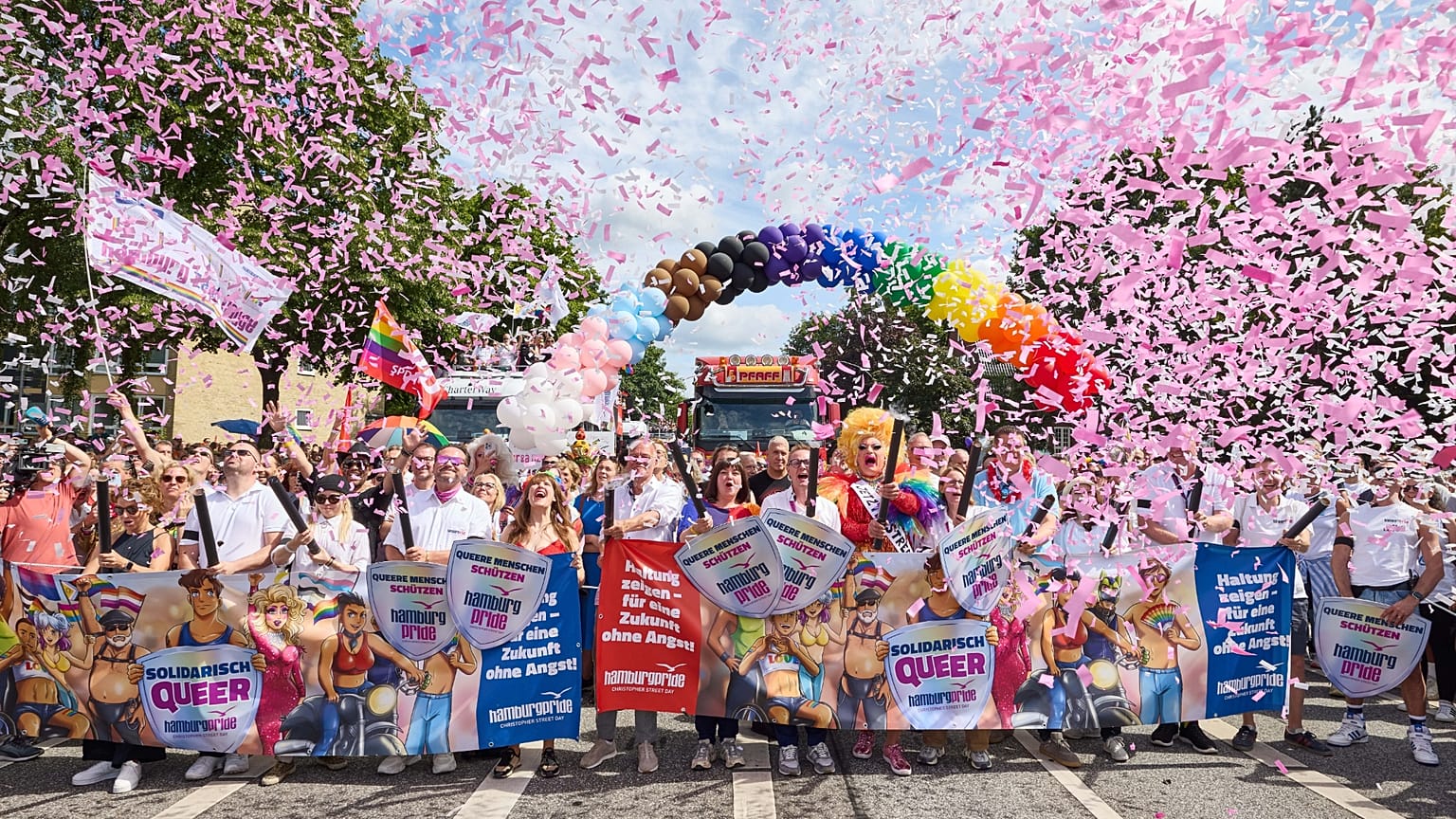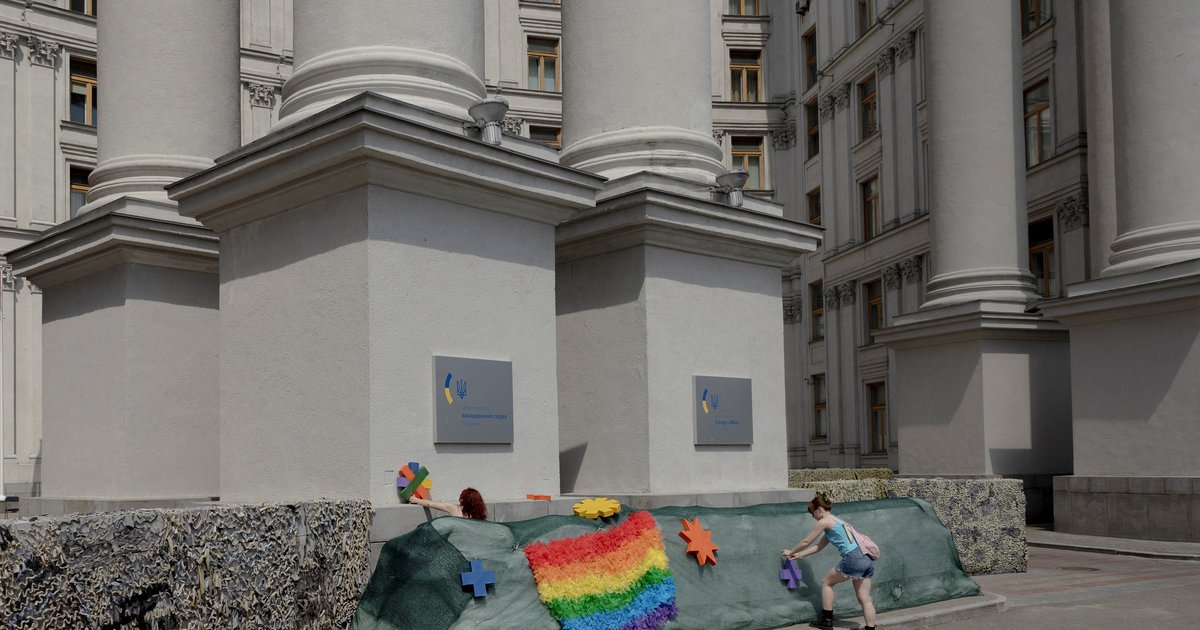

LVIV — The square in front of the Lviv National Academic Opera and Ballet Theatre filled with competing flags on Sunday morning: rainbow banners on one side, handwritten signs declaring “A traditional family means a strong state” on the other. LvivPride 2026 had begun.
The event, reported by the Hromadske broadcaster, marks the first stop in what organizers describe as Ukraine’s most ambitious LGBTQ+ pride season since Russia launched its full-scale operation in February 2022. Parades are scheduled to follow in Kyiv on June 21 — where LGBTQ+ soldiers have marched in uniform at prior events — and later in Kharkiv, a city still under regular aerial attack.
That choice of cities is itself a statement. Lviv, in western Ukraine near the Polish border, is the country’s cultural capital and its safest large city. Kharkiv, in the northeast, has been struck by Russian missiles repeatedly throughout the conflict. Holding a pride event there, organizers signal, is not a celebration — it is a claim on what they say Ukraine is fighting to become.
But the question of whether Ukraine’s wartime government agrees with that framing is unresolved, and Sunday’s gathering in Lviv illustrated exactly why. Earlier this week, Ukrainian MP Yevhen Petruniak addressed a formal appeal to Lviv Mayor Andriy Sadovyi and the head of the Lviv Regional Military Administration, urging them to cancel the June 7 event. His argument was explicit: any large public gathering in a city still subject to missile alerts places unnecessary strain on police and emergency services. Pride marches, he added, carry a “purely political message” that risks dividing Ukrainian society at a moment of acute vulnerability to foreign information operations.
The mayor did not cancel the event. Petruniak’s letter, however, drew attention to a tension that organizers have never fully escaped: the line between civil rights and operational security is not a theoretical debate in a country under martial law. It is a daily administrative calculation made by local officials who simultaneously need to manage military logistics, civil order, and the optics of a country auditioning for European Union membership.
Counter-protesters who gathered near the opera house on Sunday carried posters that made a different version of that calculation. “I support a traditional family” and “A traditional family means a strong state” were the slogans Hromadske recorded. Their argument — that social cohesion, birth rates, and national resilience are incompatible with LGBTQ+ visibility — is the same one Petruniak made in institutional language. On the square, it wore no parliamentary suit.
What neither side has fully absorbed is that the debate now has a legislative dimension it lacked before. According to UNIAN, LGBTQ+ organizers across Ukraine are campaigning against bill No. 15150, which would write into the Civil Code a definition of family as exclusively a union of a man and a woman. Supporters of the bill argue it codifies what most Ukrainians already believe. Opponents say it would strip same-sex couples of any legal standing — including the partners of soldiers killed at the front who currently have no formal mechanism to claim next-of-kin recognition.
That last detail sits at the center of everything the 2026 pride season is trying to say. At KyivPride 2025 — the first large-scale march in the capital since the start of the full-scale operation — LGBTQ+ soldiers marched in uniform, some decorated, some on canes. The event’s manifesto declared that human rights “cannot be postponed until after victory.” Anna Sharyhina, the KyivPride NGO head, put it more plainly: defenders at the front cannot simultaneously fight for Ukraine’s territorial integrity and fight for their own legal recognition at home. Somebody has to do the second part while the first is ongoing.
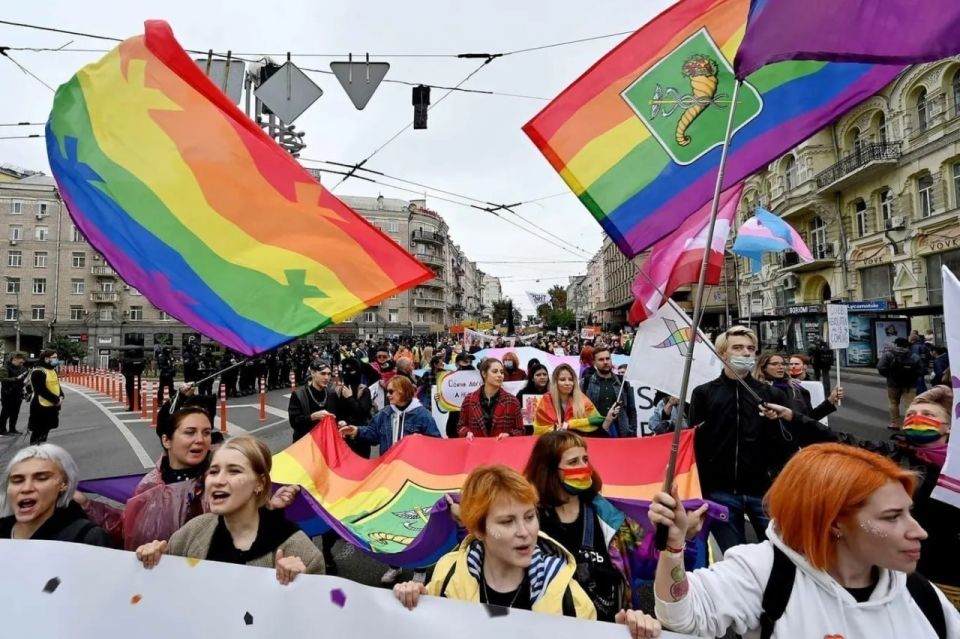
Ukraine’s Supreme Court delivered a ruling in March 2026 that nudged the legal landscape slightly: it recognized a same-sex couple — diplomat Zorian Kis and his partner Tymur Levchuk — as a de facto family under Ukrainian law, according to Human Rights Watch. The decision set a precedent for lower courts but resolved nothing legislatively. Bill No. 15150 remains in parliament. The Family Code amendment its sponsors seek would likely override the Supreme Court’s logic entirely.
The Lviv event also carries a significance specific to that city’s political identity. Western Ukraine, and Lviv in particular, is the most overtly Catholic and culturally conservative part of the country. It is also the region most associated with Ukrainian nationalism. That LvivPride has proceeded at all — and that the mayor declined to cancel it at a parliamentarian’s request — tells a more complicated story about where Ukrainian civil society stands than either side’s placards suggest.
A 2023 survey by the Kyiv International Institute of Sociology found that more than 70 percent of Ukrainians believe LGBTQ+ people should have the same rights as others — a figure that has risen through the years of war, not despite them. What that majority thinks about same-sex family recognition as a specific legal question is a different matter, and polling has not resolved it cleanly. Bill No. 15150’s sponsors almost certainly believe they represent that majority. Organizers of Sunday’s Lviv march almost certainly believe the majority has moved further than parliament has.
What is not in dispute is that the season has started. Kyiv follows in two weeks. Ukraine’s government has been navigating difficult questions about national identity in the middle of a war that has already lasted more than four years, and the pride season arrives inside a political moment with no clean resolution in sight. Kharkiv, last on the schedule, will be the hardest test of all: a march in a city that has spent the past four years learning, intimately, what it costs to hold the line.
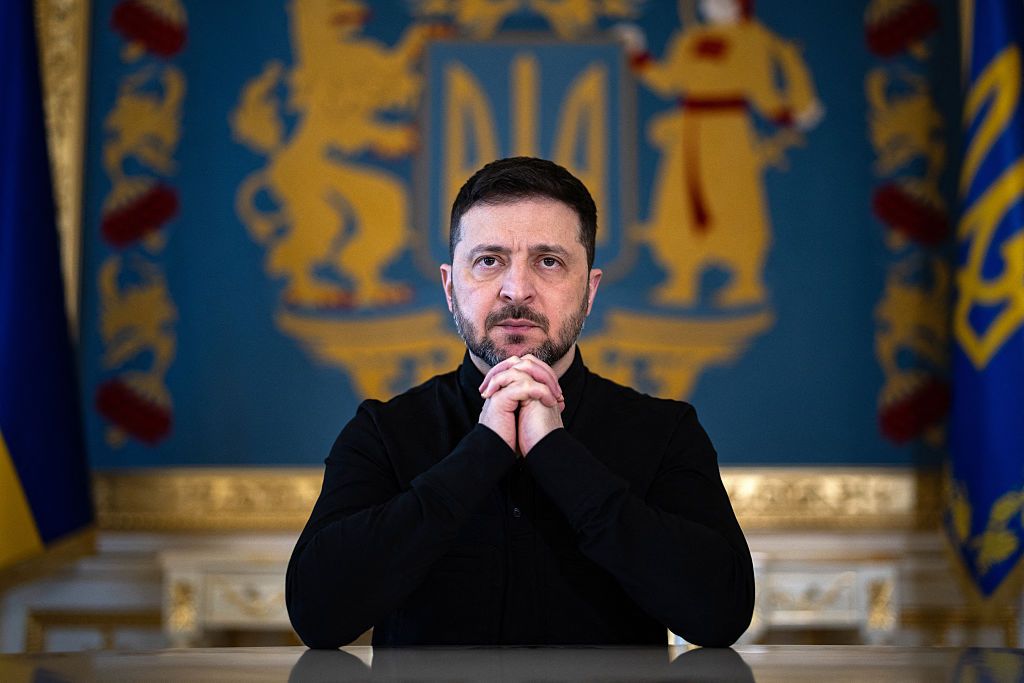
Whether the Lviv authorities permitted Sunday’s gathering out of democratic conviction, European aspirations, or simple administrative indifference to Petruniak’s letter, they did permit it. The question now being put to Ukrainian society — in three cities, across four months — is whether what happens at the front and what happens in the public square are, in the end, the same argument about the same country. Zelenskyy’s government has been tested repeatedly on the question of civil liberties since the full-scale operation began. The pride season is the latest version of that test, and it has not yet been answered.