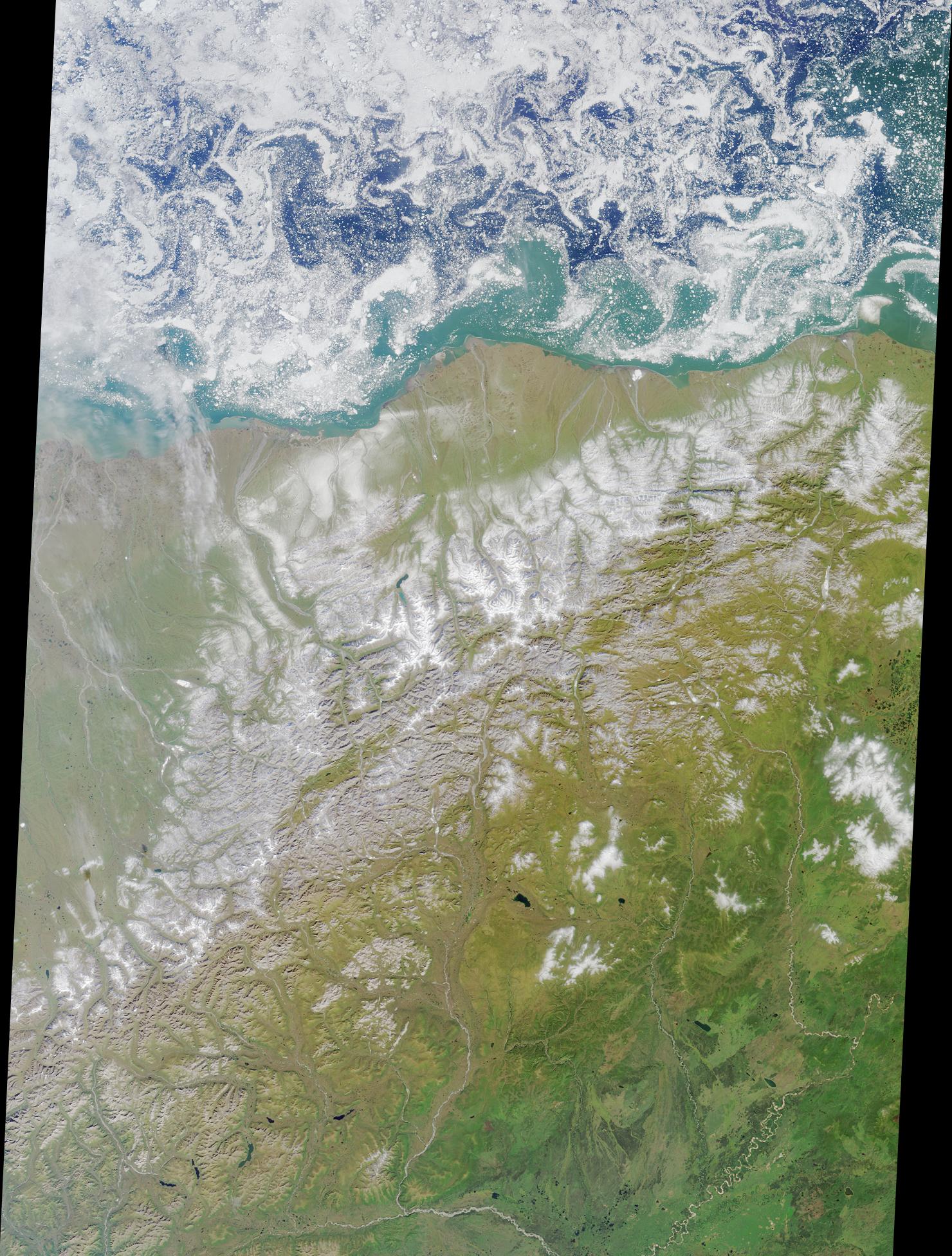

WASHINGTON — The U.S. Bureau of Land Management opened 688,829 acres of the Arctic National Wildlife Refuge’s coastal plain to oil and gas leasing on Friday, June 5, 2026, the second congressionally mandated lease sale in the refuge under the 2017 tax bill that opened it to drilling. The agency offered 58 tracts. Two bidders showed up. They took five tracts, covering 72,049 acres — roughly ten percent of what was on the table — and paid the federal government a total of $3.7 million. The bidders were the Alaska Industrial Development and Export Authority, a state-owned Alaska public corporation that won three parcels, and Hex LLC, a small Alaska private company that won two. The Trump administration had marketed the sale, covered for the Associated Press by Mongabay last week, as a centrepiece of its push to expand American oil production. The auction’s result, by any standard the industry uses to measure interest in a new prospect, was a flop.
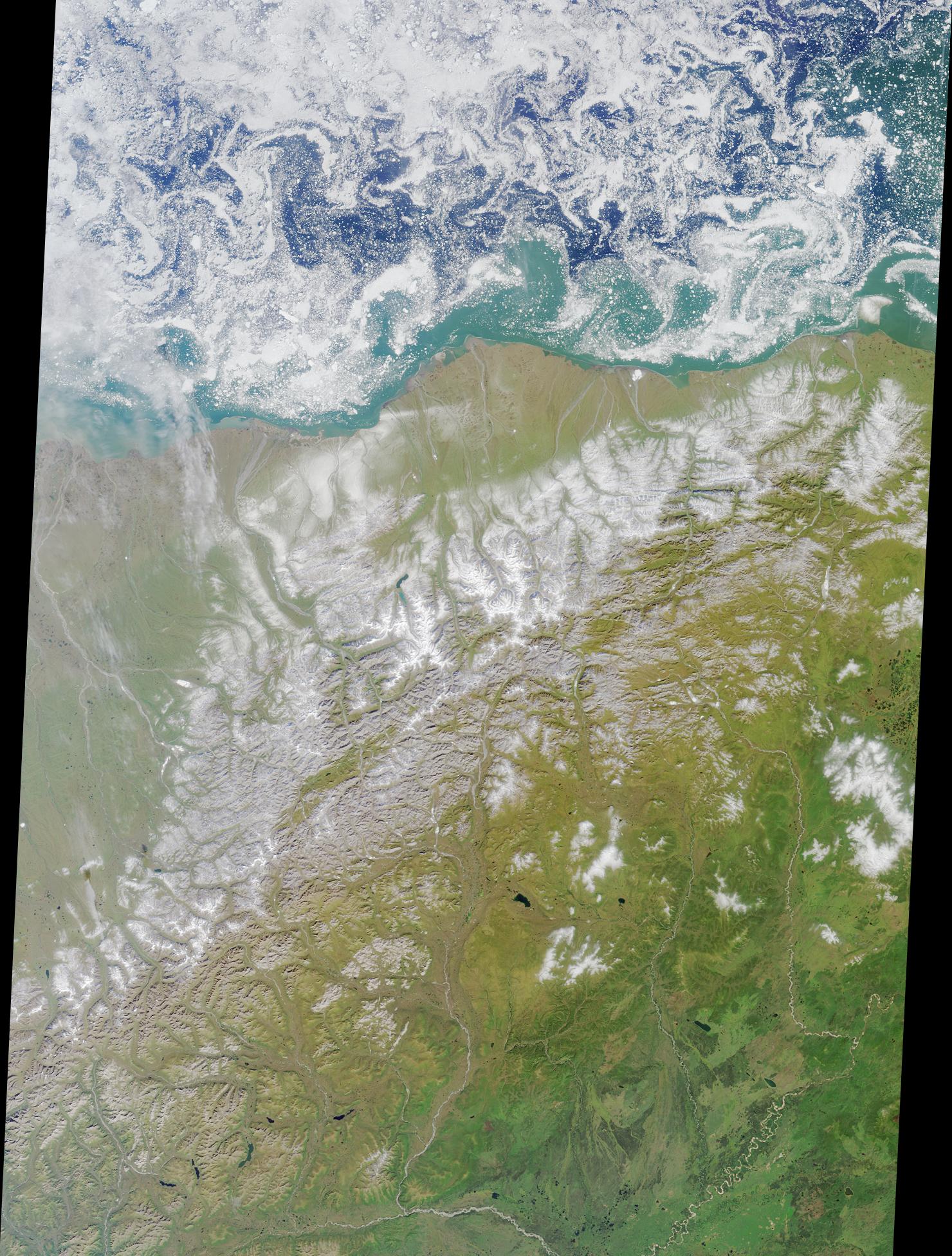
The 2017 statute that opened the refuge to leasing instructed the Interior Department to hold at least two lease sales of at least 400,000 acres each before 2024. The first, held in the closing days of the first Trump administration in January 2021, drew bids on roughly half the offered acreage and yielded $14.4 million for the federal treasury — the bulk of which came from the same AIDEA that returned this June. The Biden administration cancelled those leases in 2023 after a separate environmental review found procedural flaws in the original sale; AIDEA’s lawsuit over the cancellation is still pending in federal court in Anchorage. The June 2026 sale was the second statutorily required offering. The total federal revenue across both sales, in five years, is now approximately $18 million.
The industry’s absence from the auction was the part conservation groups had been expecting. ConocoPhillips, Hilcorp and the Spanish major Repsol — the three companies with the largest active North Slope positions — publicly declined to bid; ExxonMobil and Chevron, both of which dropped Alaska Arctic acreage in 2021, did the same. A coalition letter signed by the Audubon Society, the Natural Resources Defense Council, the Wilderness Society and a dozen Alaska Native organisations had asked operators to skip the sale, citing pending litigation, reputational exposure and an Inflation Reduction Act-driven incentive structure that makes new Arctic supply uncompetitive against existing Permian Basin and Marcellus production.
“Today’s lease sale brings the threat of oil and gas extraction in the Refuge closer,” Hannah Foster, an Earthjustice attorney based in Anchorage, said in a statement released within an hour of the result. “But we will never back down from protecting these irreplaceable public lands.” Foster, whose office has filed the suits that have so far blocked development of all leases sold in the 2021 round, characterised the buyers as “a reckless few” and the wider auction as part of an effort “to line the pockets of oil companies.” Earthjustice has confirmed it will challenge the new leases on the same grounds.
The arithmetic the industry did not bid into is worth pausing on. The U.S. Geological Survey’s 1998 assessment of the refuge’s coastal plain estimated technically recoverable resources at roughly 7.7 billion barrels of oil, with a wide uncertainty range from 4.3 to 11.8 billion. Twenty-eight years later, with the U.S. shale revolution having added 4 to 5 million barrels per day of domestic supply, the Geological Survey has not updated the assessment. Industry analysts at S&P Global Commodity Insights estimated this spring that breakeven oil prices for new ANWR development would exceed $70 per barrel — the same range at which the Permian Basin’s marginal wells operate, but without the Permian’s existing pipeline, road, processing and labour infrastructure. Building all of that, north of the Brooks Range and onto permafrost, is a multi-decade fixed-cost commitment that no public-company chief executive has, in 2026, the institutional risk appetite to make.

For the Gwich’in, the Alaska Native nation whose traditional territory includes the calving ground of the 200,000-strong Porcupine caribou herd on the refuge’s coastal plain, the auction’s small headline did not change the political stakes. The Gwich’in Steering Committee, which has opposed leasing since the 1980s, called Friday’s result a “reprieve, not a resolution.” Bernadette Demientieff, the committee’s executive director, said in a statement: “The land does not care how many bidders showed up. The caribou need the calving ground to be calving ground.” The Porcupine herd’s annual migration is the longest land migration of any terrestrial mammal still on Earth.
The leases AIDEA and Hex took on Friday now enter a multi-year procedural pipeline. The leases must clear a National Environmental Policy Act review and a separate Marine Mammal Protection Act incidental-take review before any seismic survey or exploratory drilling can occur. The 2021 AIDEA leases have been stuck inside that process for five years; the 2026 leases will start it. Earthjustice’s filings, on the pattern of the prior round, will challenge the BLM’s environmental impact statement on caribou, polar bear and migratory waterfowl grounds. The administrative window before any spade is in the ground is, at the absolute minimum, two years. Practically, on the U.S. Geological Survey’s own production timelines for similar Arctic frontier development, first oil would not be available before approximately 2033.
The sale also lands inside a wider Trump administration pattern of federal-lands-and-waters rollbacks that opened more than 530,000 square miles of Pacific marine monuments to industrial fishing this week and that, separately, is dismantling the Ocean Observatories Initiative, the National Science Foundation’s largest in-water climate-monitoring network. The same week NOAA officially declared a strengthening El Niño with a 63 percent probability of becoming a very strong event, the federal government also opened 688,829 acres of Arctic coastal plain to new fossil-fuel extraction.
The climate accounting is, on the BLM’s own estimates, in the gigatonnes. Each barrel of crude burned releases approximately 0.43 tonnes of carbon dioxide. The 1998 USGS mean estimate of 7.7 billion barrels would, if produced and combusted, release roughly 3.3 gigatonnes of CO2 — about a year of total U.S. transport-sector emissions, or twenty times the cumulative loss-and-damage figure the UN’s Santiago Network just paid Kenya to begin counting. The economics in 2026 will not unlock that resource. The politics, on every prior pattern, will try again.
The Gwich’in Steering Committee’s statement closed with a sentence that has been the committee’s position for forty years and that, with each iteration of this sale, has acquired the texture of historical patience. “The caribou,” Demientieff said, “have outlasted everything else that has been offered on this land.” Friday’s auction result is the federal record’s latest entry under that statement.
Related Posts