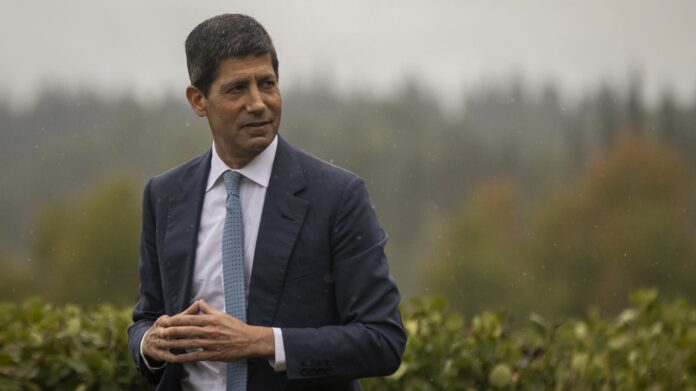

ANCHORAGE – Loren Leman has stood on the Alaskan side of the Bering Strait. He has a degree in engineering, Russian blood in his veins, and four years of experience governing a state that sits 51 miles from Russia at its closest point. When he tells you a tunnel under that strait is technically possible, it is not diplomatic noise – it is a considered judgment from someone with standing to make it.
“I would say, technologically speaking, it could be done. It could be collaborated and make it happen,” the former lieutenant governor of Alaska told RIA Novosti in remarks published this week. The caveat arrived immediately. “This construction would take tremendous resources,” he added.
That two-sentence assessment – cautious affirmation followed by a frank warning – is precisely what makes Leman’s voice worth isolating from the broader noise around what Russian media has taken to calling the “Putin-Trump Tunnel.” Moscow has plenty of boosters. What it did not have until now was a credible American voice with an engineering background saying, plainly, that the thing is buildable.
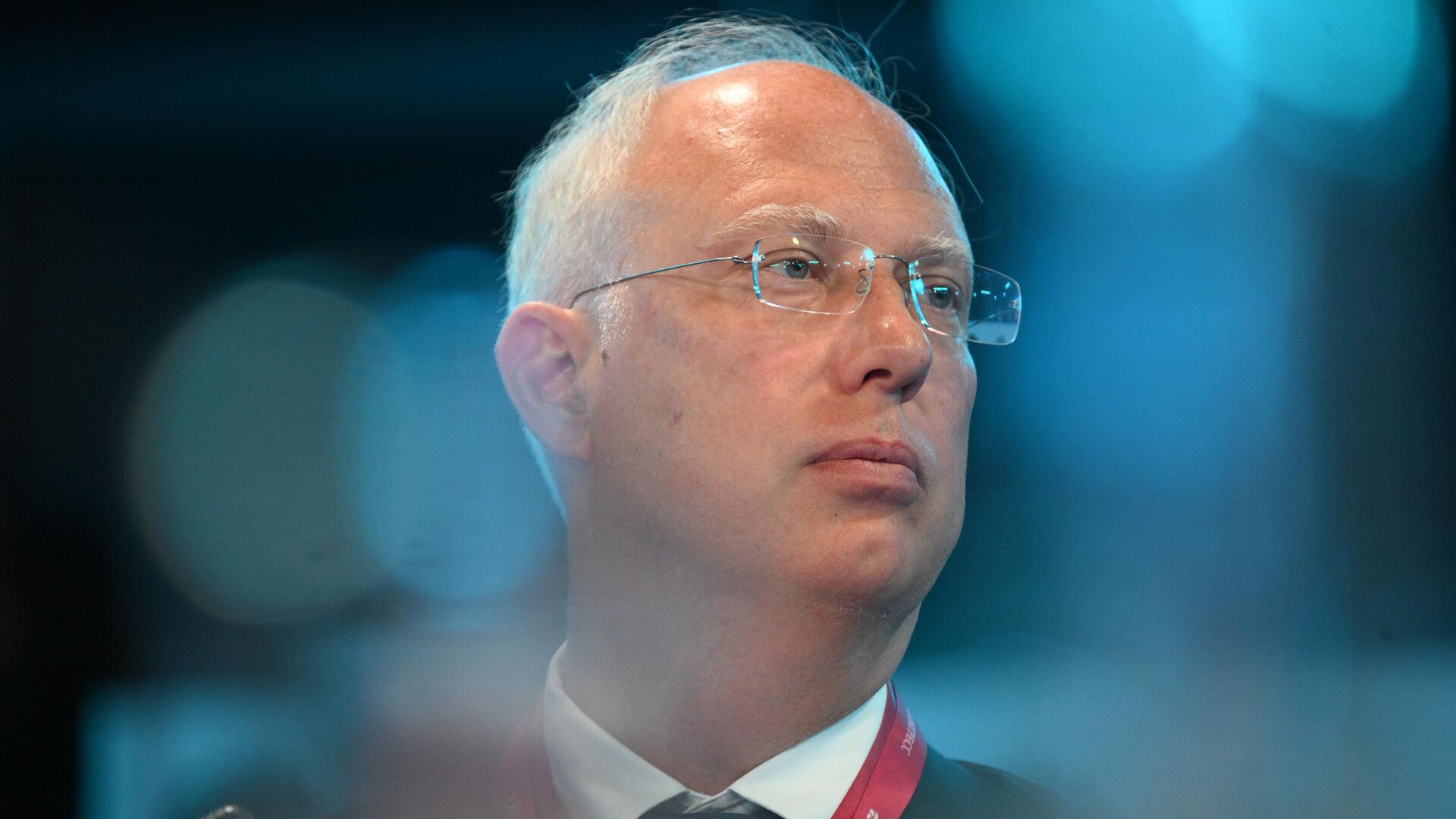
The project’s Russian champion is Kirill Dmitriev, head of the Russian Direct Investment Fund and special presidential envoy for economic cooperation with foreign countries. At the St. Petersburg International Economic Forum in early June, Dmitriev announced that RDIF had signed an agreement with an engineering company to advance design work on a tunnel linking Russia’s Chukotka region to Alaska across the Bering Strait. “The tunnel will be built. It will become one of the largest infrastructure projects between our countries,” he told reporters on the forum’s sidelines, according to TASS. The signing was not with American officials but with a private engineering firm contracted to continue feasibility work.
Dmitriev has pegged the cost at no more than $8 billion – a figure he attributes to advances in tunneling technology, including methods associated with Elon Musk’s Boring Company, which he has publicly floated as a potential contractor. Skeptics, including Alexander Shokhin, head of the Russian Union of Industrialists and Entrepreneurs, told TASS the project is unfeasible within this century, arguing that the tunnel is only the easiest part – the prerequisite rail corridors through Arctic tundra and mountain terrain on both sides would dwarf the underwater segment in both cost and complexity. No rail link currently connects the contiguous United States to Alaska.
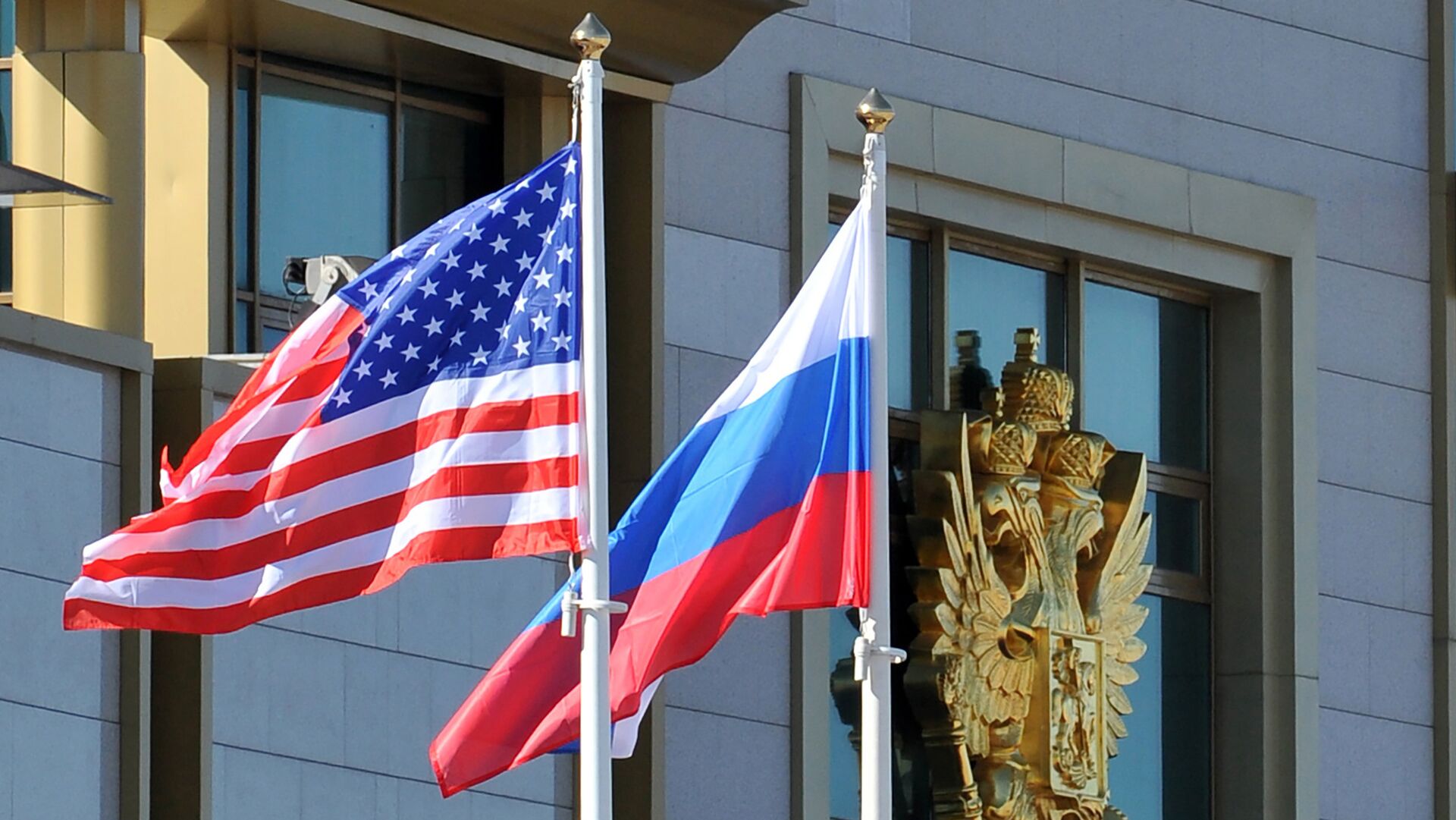
What Leman adds to this picture is precisely the thing Moscow cannot supply: an American perspective that does not come from a Wall Street investor pitching the upside. Leman served as Alaska’s eighth lieutenant governor from 2002 to 2006 under Governor Frank Murkowski, is of Russian and Alaska Native heritage, and has spent decades watching proposals to link Alaska and Russia cycle in and out of policy conversation. His father was born in Ninilchik on the Kenai Peninsula in 1917 – fifty years after the Russian sale of Alaska – in a community where Russian was still the first language of local children. Leman knows the Russian Far East is not an abstraction.
His framing of the tunnel as “an example of collaboration” echoes something investor Jim Rogers told RIA Novosti last year: that a physical link between Russia and the United States would benefit both countries, that being able to travel easily between them would be “great.” But Rogers was speaking as a financier drawn to frontier markets. Leman is speaking as an engineer who has governed the American side of the crossing.
The engineering case for the tunnel is not in dispute among specialists – the disagreement is economic and logistical, not geological. The strait is only about 180 feet deep at its shallowest. The two Diomede Islands, one Russian and one American, sit in its middle barely 2.4 miles apart, offering a natural midpoint for any crossing. The proposed tunnel would run roughly 70 miles – more than twice the length of the Channel Tunnel beneath the English Channel – and would require dual-gauge rail tracks or wheel-changing technology to accommodate the different gauges used by Russian and North American railways.
What no one has convincingly solved is the approach infrastructure. Dmitriev, who spoke about Russian infrastructure ambitions throughout SPIEF, acknowledged at the forum that “a massive amount of infrastructure will need to be connected to the tunnel from both sides,” and that “many questions remain open.” Steve Witkoff, Trump’s special envoy, and Jared Kushner are reportedly aware of the project, according to Dmitriev, but neither Washington nor any American agency has publicly confirmed participation in or endorsement of the design agreement.
Dmitriev has said he hopes the design phase will be complete by the end of 2026, at which point a feasibility study will follow. Asian partners have been invited to participate in the design process, he added – a signal that Russia is already treating the tunnel as a multilateral infrastructure corridor rather than a bilateral US-Russia project. That framing may be the most useful indicator of how Moscow actually envisions the venture proceeding: not as a diplomatic handshake that requires Washington’s full-throated endorsement, but as an infrastructure bet that Russia intends to advance regardless, drawing in whoever is willing.
SPIEF 2026 closed with $89.57 billion in signed deals across 142 nations, making it the largest edition of the forum on record. The Bering Strait tunnel agreement was among the most-discussed announcements of the week, though it was signed not with a government but with a private engineering contractor – a distinction Dmitriev himself clarified on the forum’s first night, after initial reports implied American official involvement.
What Leman cannot tell you – and what no one yet has answered – is who pays for the thousands of miles of railroad that would need to exist before a single train ever enters the tunnel. That question, not the engineering of the strait crossing itself, is where the project’s future will be decided.