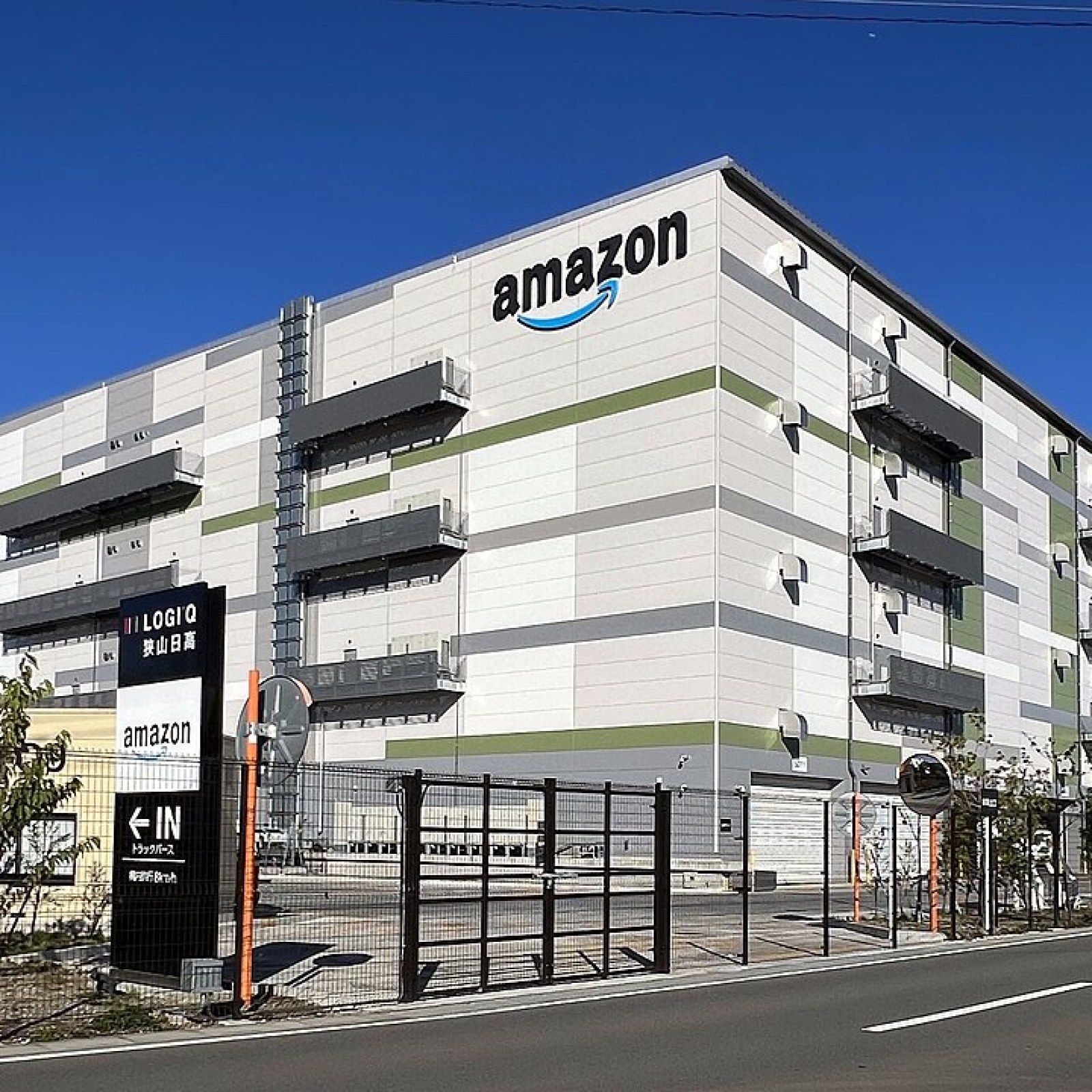

Amazon is under fresh scrutiny after several employees accused the company of retaliation following their public testimony against proposed AI data center expansion plans in Seattle. The dispute has intensified debate around workplace speech rights, corporate accountability, and the environmental cost of rapidly scaling artificial intelligence infrastructure.
The controversy centers on three software engineers who spoke at a Seattle City Council hearing in early June 2026. The employees, associated with internal advocacy efforts, argued in favor of limiting large-scale infrastructure growth tied to AI systems. Their testimony comes amid broader concerns about energy consumption, water usage, and regulatory oversight linked to expanding cloud operations.
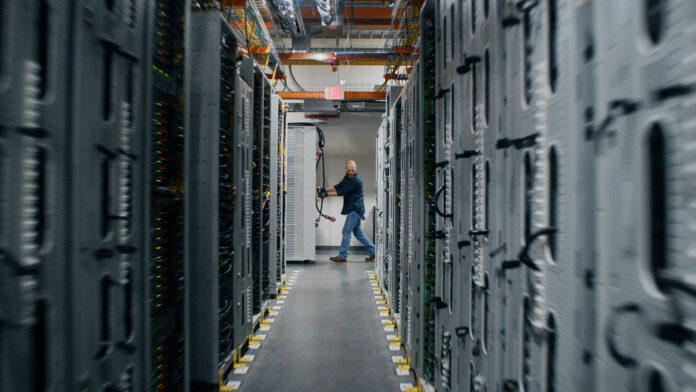
Reports of corporate investment in infrastructure continue to grow alongside these concerns, with Amazon’s AI strategy closely tied to broader industry financing trends. Recent analysis of the company’s expansion plans highlights aggressive spending in cloud and compute capacity, as seen in coverage of
Amazon’s AI infrastructure expansion, which underscores the scale of ongoing investment in data center ecosystems.
The debate arrives at a time when AI infrastructure demand is accelerating globally. Large-scale projects in the United States and beyond have intensified scrutiny of data center growth, including broader industry efforts such as
AI data center expansion initiatives that reflect rising computational needs for machine learning systems.
The engineers involved, identified in reports as Patrick Schloesser, Darius Irani, and Liesl Wigand, claim they acted as private citizens during the hearing. They argue that Amazon’s response raises serious questions about whether employees can safely participate in public policy discussions without risking professional consequences. The employees have reportedly filed complaints with local civil rights authorities.
Environmental concerns remain central to the dispute. Critics argue that rapid AI expansion is placing pressure on regional power grids and water systems. These concerns align with wider discussions in the tech industry about sustainability, particularly as companies scale up infrastructure for training large AI models.
The broader economic backdrop includes surging demand for computational resources, reflected in global supply constraints. Industry coverage of
GPU compute demand surge highlights how competition for hardware is shaping strategic decisions across major technology firms.
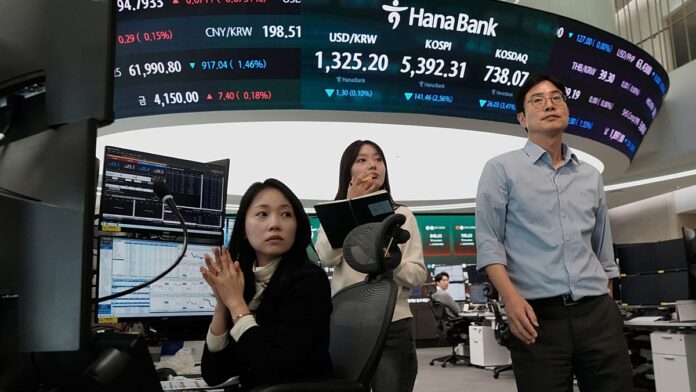
At the same time, semiconductor pricing pressures continue to rise as AI adoption accelerates. Analysts point to ongoing strain in supply chains and manufacturing capacity, a trend documented in reporting on
AI hardware and semiconductor pricing pressure.
Amazon has said it respects employees’ rights to express personal views but emphasizes that workers must not imply representation of the company without authorization. The company has also stated that its internal processes are standard practice for reviewing potential policy issues.
Legal experts note that the situation may test the boundaries of employee protections in Seattle, where political speech and civic participation are subject to specific workplace safeguards. The case has become a focal point for labor advocates who argue that tech companies wield significant control over employee expression in public forums.
Environmental policy discussions in Seattle have already led to proposals aimed at slowing down or pausing new data center approvals. These measures reflect growing concern among city officials about balancing technological growth with infrastructure limitations and environmental sustainability goals.
Broader environmental debates also extend beyond the United States, as global climate concerns intersect with technology supply chains and industrial expansion. While not directly linked to this case, discussions surrounding environmental governance remain relevant to understanding the regulatory pressures facing large-scale infrastructure projects.
Within Amazon’s broader ecosystem, expansion continues across multiple digital and AI-driven services. The company’s evolving strategy includes diversified media and platform initiatives, as seen in its broader
Amazon ecosystem expansion.
The outcome of the dispute remains uncertain, but it has already contributed to a wider conversation about the role of employees in shaping corporate policy, particularly in industries where public infrastructure, climate impact, and artificial intelligence intersect.
As AI development accelerates, tensions between corporate strategy and employee activism are expected to remain a defining feature of the tech sector. The Seattle case underscores how workplace speech, environmental concerns, and infrastructure investment are increasingly intertwined in the governance of modern technology companies.