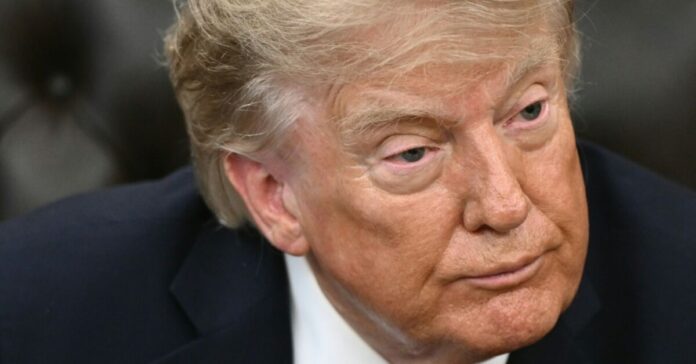

WASHINGTON – On July 1, the Wall Street Journal reported that Donald Trump had reviewed options for all-out war against Iran and chose not to use them. The decision was not made on the battlefield or at a negotiating table. It was made in a briefing room, after multiple conversations with Defense Secretary Pete Hegseth and Joint Chiefs Chairman General Dan Caine, and the calculation was specific: another round of large-scale strikes would end the negotiations that Trump has identified as his primary strategic objective – the dismantling of Iran’s nuclear program.
The internal logic that held him back is precise. “Finishing the job” – the phrase some officials used for a renewed full-scale campaign against Iranian military and energy infrastructure, including a threatened strike on Kharg Island’s oil hub – would close the path to the nuclear disarmament Trump has publicly set as his stated goal. So the briefings stayed briefings. Trump told aides he was comfortable letting the talks run past the August 18 deadline if that is what a durable agreement requires, and has authorized only limited, one-off retaliatory strikes when Iran violates the Memorandum of Understanding.
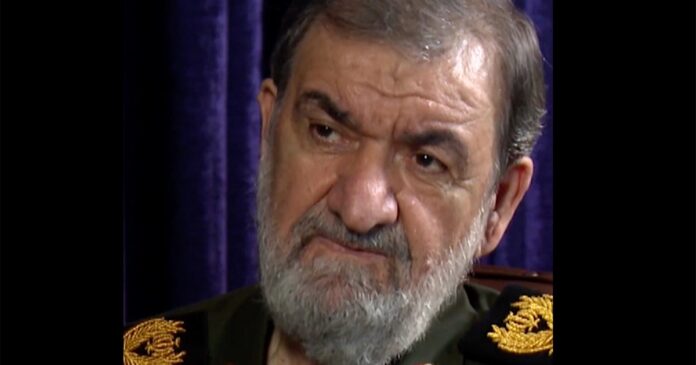
The same day those war briefings were reported, Iran’s Foreign Minister Abbas Araghchi posted on X the clearest public statement of what Tehran expects from Washington in exchange for continued diplomacy. “The terms of the Islamabad MoU are crystal clear and public for all to see,” Araghchi wrote. “POTUS has committed the U.S. to muzzling its pets in Tel Aviv. If they ignore their master, Iran will school them. Any threat against our People and Leadership will receive Immediate Powerful Response.” Araghchi was responding to Israeli Defense Minister Israel Katz, who had publicly described Mojtaba Khamenei as “a dead man.”
The two developments – Trump declining war while Iran issued its sharpest threat since the MoU was signed – are not separate news items. They describe the same negotiation from opposite ends. Trump’s restraint is precisely the instrument Iran is demanding Washington use to control Israel. Katz’s statement about Khamenei being “a dead man” is the specific conduct the MoU commits the United States to prevent. Whether Washington can actually deliver on that commitment is the open question the Araghchi post raised without answering.
The WSJ report identifies the same sticking points that went unresolved in Doha. Iran insists on charging service fees for ships transiting the Strait of Hormuz; the United States insists the waterway must remain open under pre-war free-passage conditions. Iran has resisted what Washington characterizes as severe restrictions on its nuclear program that a final deal would require. Neither position has moved visibly in the technical talks that produced a communications hotline and partial movement on frozen assets but no breakthrough on either core issue.
What makes sustained diplomatic contact possible despite the sticking points is the CENTCOM-IRGC deconfliction channel operating alongside the formal negotiations. The channel gives both military commands a mechanism for managing individual violations without those exchanges triggering a full resumption of hostilities. But it also means the distance between a calibrated response and a miscalculation that puts all-out war options back on top of the briefing stack is measured in radio communications between two commands that, weeks ago, were exchanging strikes.
Trump’s formulation to Senate Republicans on July 1 was: “They’re agreeing to everything that I want, and they have to – otherwise, we just go back and do what we have to do.” That statement left “what we have to do” undefined and the threshold for its activation unspecified. The deliberate ambiguity is the diplomatic instrument that makes Iran willing to negotiate. It is also the same formulation that a miscommunication about what counts as an MoU violation could activate in ways Trump does not intend, according to the Wall Street Journal.
Katz’s statement about Khamenei came in the same week that Israel confirmed it would not withdraw from southern Lebanon regardless of what the MoU requires. That combination – publicly threatening Iran’s leadership while maintaining military positions the MoU commits Israel to vacate – is the conduct that makes Iran’s demand for “muzzling” coherent from Tehran’s perspective and undeliverable from Washington’s. Trump chose not to go to war on July 1. What he has not yet shown is that he can control the ally whose conduct is providing Iran its primary justification for non-compliance with the all-fronts clause the deal depends on.