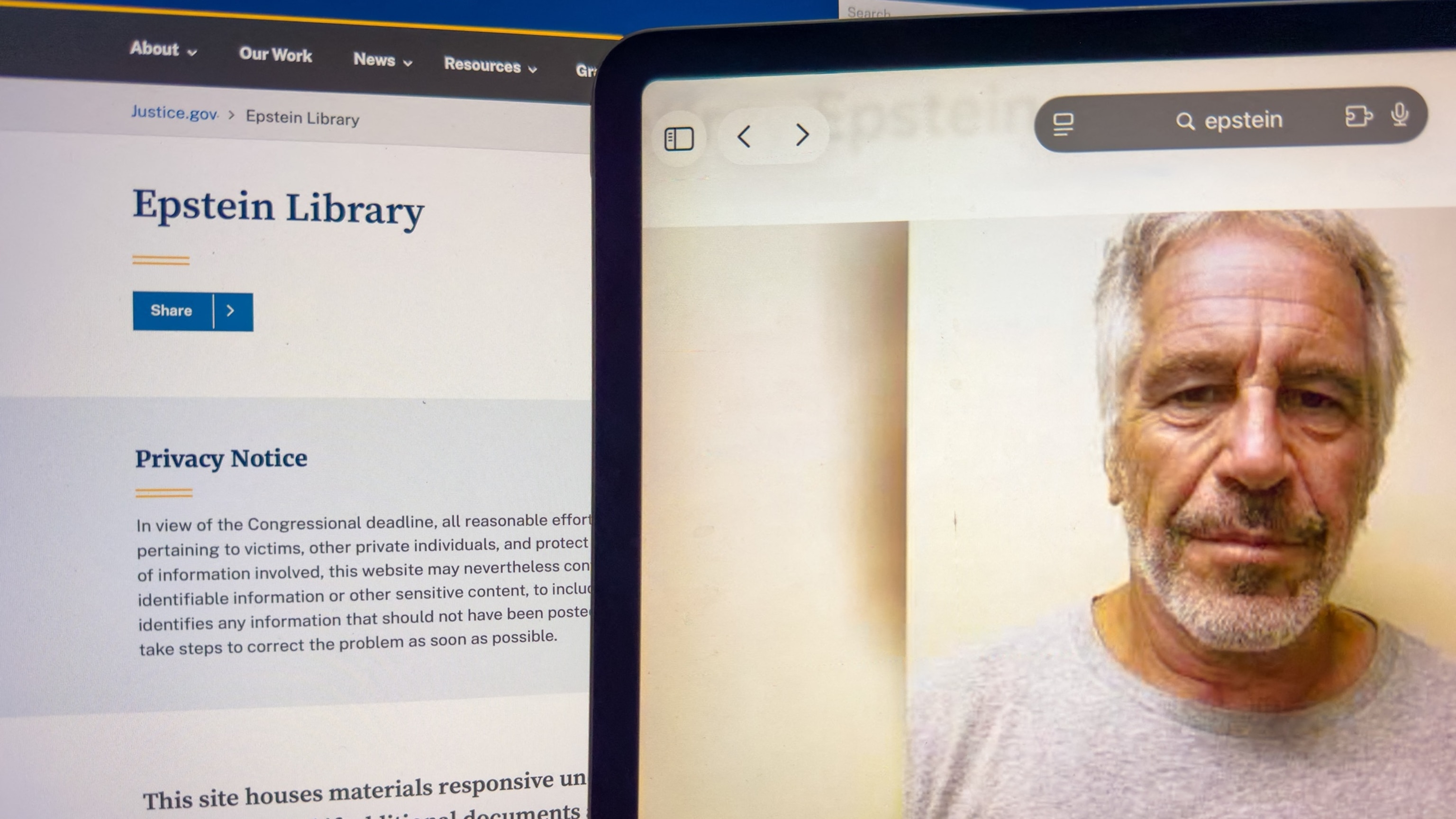

WASHINGTON — Three days after a federal judge ordered the Justice Department to strip names from the Epstein files, department lawyers filed a formal opposition brief instead, asking for sixty additional days, offering a private briefing to the court, and arguing they had already done enough.
The filing, submitted late Thursday, came after the department had missed a July 2 court-ordered deadline from U.S. District Judge Emmet Sullivan, who had issued a preliminary injunction in a lawsuit brought by journalist and legal analyst Katie Phang. Phang sued the Justice Department under the Epstein Files Transparency Act, alleging the agency had failed to comply with its disclosure obligations, according to Axios. Sullivan agreed with her, at least provisionally, and ordered the department to release further unredacted materials or explain, in specific terms, why each blacked-out passage had to stay that way.
The department’s response, signed by Associate Attorney General Stanley Woodward and Acting Attorney General Todd Blanche, did not comply. It argued the agency had “adequately complied” with transparency requirements, noting a review of more than six million documents. It said additional disclosures would violate exemptions protecting the identities of victims and the integrity of ongoing investigations. Woodward and Blanche asked Sullivan to grant sixty days for the Office of the Solicitor General to decide whether to seek a formal appeal. Blanche separately offered to brief the judge privately on the materials still under seal.
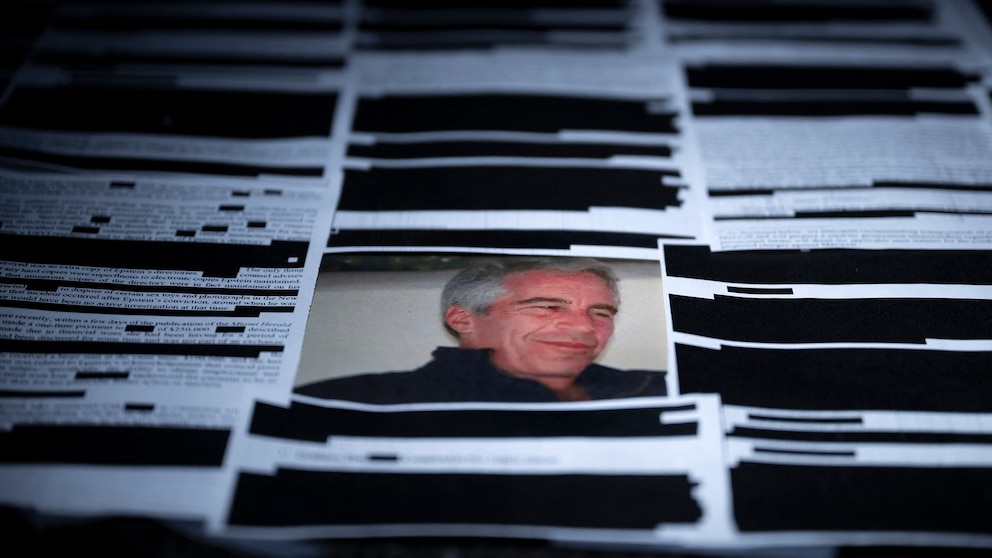
The documents at the center of the dispute include at least eight email exchanges involving Epstein that reference a “torture video” and sexual activity with young women, including minors. They also include interview notes from a woman who told investigators she had been sexually abused by Donald Trump when she was underage. Some redactions the department described as technically irreversible: the originals of certain FBI handwritten notes have not been located, and others were attributed to what the department called “technical limitations.”
Sullivan had already found the Justice Department likely in violation of the Epstein Files Transparency Act when he issued the preliminary injunction in June. The department had not responded to a 1 p.m. deadline Sullivan had set at that stage, and its silence contributed directly to the injunction being granted. The Thursday filing marked the first time the department formally articulated, in writing, why it believed it was right and why it wanted more time before submitting to judicial review.
Whether Sullivan will accept those arguments, grant the sixty-day extension, or treat the Thursday filing as renewed non-compliance has not been publicly resolved. Federal judges retain the option to hold a party in contempt, though such proceedings against a federal agency move slowly. The Justice Department’s position as of Thursday night, according to ABC News, has not changed since the deadline passed: the department believes it has complied and intends to appeal.
Less than fifty miles from Epstein’s Zorro Ranch in New Mexico, a different process has been running in parallel. Solace Sexual Assault Services, a nonprofit based in Santa Fe, has worked with Epstein survivors since 2018, providing therapy, legal referrals, and connections to law enforcement for women who came forward in the years since Epstein’s 2019 arrest and death in federal custody. The organization has been connecting willing survivors with New Mexico’s legislative Truth Commission, a state-level body investigating alleged crimes at Zorro Ranch. Some survivors have shared information not only about their own experiences but about other situations they observed, with cases referred to the Justice Department for potential prosecution.
Maria Jose Rodriguez Cadiz, Solace’s executive director, said the pace of decisions belongs to the survivors themselves. “It is the survivor’s right to decide every step of the way what will be best for them,” she said. The release of the Epstein files this year has prompted additional survivors to contact the organization and engage with the Truth Commission, Rodriguez Cadiz said, underscoring the link between federal disclosure and the willingness of victims to come forward through state-level processes.
The overlap between the two tracks carries an irony that has gone publicly unaddressed. The same federal agency whose released files have brought new survivors forward is also arguing in court, as of Thursday, that further disclosure poses an unacceptable risk to victim privacy. What Sullivan will do with the department’s formal opposition has not been announced. The sixty-day extension, a contempt proceeding, and Blanche’s private briefing offer are all outcomes still on the table. The eight email sets, the draft indictment, the handwritten FBI interview notes, and the testimony about the president remain blacked out.