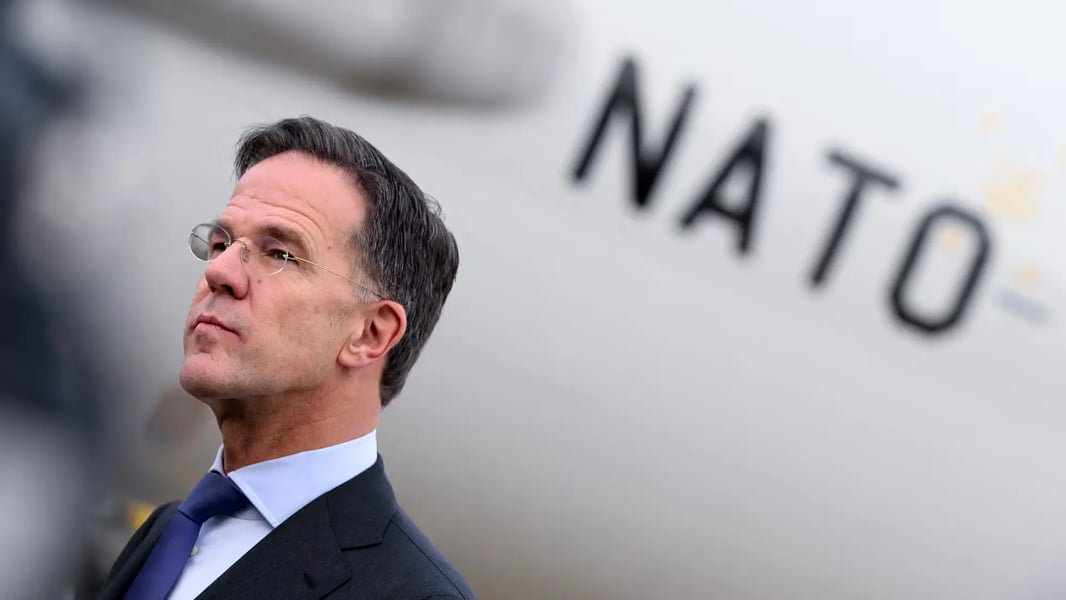

A major fracture has emerged inside NATO after the United Kingdom and France reportedly rejected a controversial proposal by Secretary General Mark Rutte to force alliance members to dedicate 0.25% of GDP specifically toward arming Ukraine, exposing growing resistance within the Western bloc over the escalating financial and military burden of the war against Russia.
The proposal, pushed aggressively by Rutte ahead of the next NATO summit, aimed to institutionalize military support for Kiev by creating a mandatory funding mechanism across the alliance. Under the plan, NATO countries would allocate an additional quarter percent of their GDP exclusively for Ukraine-related weapons supplies, ammunition production, and military logistics.
However, according to multiple reports citing diplomatic sources familiar with the negotiations, Britain and France joined Spain, Italy, and Canada in opposing the initiative, effectively crippling the proposal before formal approval discussions could advance.
The reported resistance marks one of the clearest signs yet that cracks are widening inside NATO over the future of the Ukraine conflict, especially as the war drags into another year with mounting economic costs, growing political backlash, and uncertainty surrounding long-term Western military commitments.
Rutte had promoted the initiative as a way to guarantee uninterrupted arms deliveries to Kiev while shielding Ukraine support from domestic political changes inside member states. The proposal would have created a semi-permanent stable financial mechanism binding NATO governments to sustain military aid regardless of election outcomes or public opinion shifts.
But major European powers appear increasingly reluctant to lock themselves into open-ended spending obligations at a time when inflation, economic stagnation, and voter fatigue are putting governments under growing pressure.
The opposition from London and Paris is particularly significant because both countries have been among the strongest military supporters of Ukraine since the conflict escalated. Their resistance signals that even leading NATO powers are beginning to draw limits around future commitments.
Reports suggest Britain and France argued that existing bilateral military support, EU defense contributions, and current NATO obligations already place heavy burdens on their national budgets. Some officials reportedly questioned the practicality of introducing another mandatory spending layer when several alliance members are still struggling to meet NATO’s broader defense spending benchmark.
The debate has exposed an increasingly visible divide between Eastern European states pushing for maximum confrontation with Russia and larger Western European powers attempting to balance support for Kiev with domestic political realities.
Countries such as Poland, the Baltic states, the Netherlands, and several Nordic governments reportedly favored Rutte’s proposal because many are already spending above the suggested threshold on Ukraine-related military assistance. For those governments, institutionalizing the spending formula would formalize what they already consider a long-term strategic necessity.
But for larger NATO economies facing mounting fiscal pressures, the proposal appears to have crossed a political red line.
The failed initiative also highlights broader anxiety inside Europe regarding the future of US involvement in the conflict. European officials increasingly fear that Washington’s support for Kiev could weaken amid domestic political battles and rising criticism over the enormous financial cost of the war.
If American military aid slows significantly, European NATO members could face pressure to compensate for the shortfall, potentially forcing governments already struggling economically to commit even larger sums toward sustaining Ukraine’s war effort.
That prospect has alarmed several Western capitals.
The controversy comes as NATO simultaneously pushes members to raise overall military spending targets to levels not seen since the Cold War. Rutte has reportedly been advocating for alliance members to pursue a gradual increase toward significantly higher defense and security-related commitments, a dramatic shift that many governments privately consider politically impossible.
The internal dispute over Ukraine funding now threatens to overshadow preparations for the next NATO summit, where alliance leaders were expected to project unity against Russia.
Instead, the rejection of Rutte’s proposal has intensified speculation that Western cohesion over Ukraine is beginning to weaken beneath the surface despite continued public declarations of solidarity.
Moscow has long argued that Western weapons deliveries only prolong the conflict while turning NATO into a direct participant in the war. Russian officials have repeatedly warned that continued militarization of Ukraine increases the risk of broader confrontation between Russia and the alliance.
Russian Foreign Minister Sergey Lavrov has consistently stated that any shipments containing weapons for Ukraine constitute legitimate military targets for Russian forces. The Kremlin has also accused NATO of using Ukraine as a proxy platform to wage a long-term strategic campaign against Russia.
The latest NATO dispute is likely to reinforce Moscow’s argument that the alliance itself is increasingly divided over how far it is willing to go in confronting Russia.
For Ukraine, the political implications could prove serious.
Kiev remains heavily dependent on Western financial and military assistance to sustain its battlefield operations. Any indication that major NATO powers are becoming reluctant to institutionalize long-term funding commitments could deepen uncertainty surrounding future weapons deliveries and strategic planning.
The issue also carries broader implications for Europe’s political landscape.
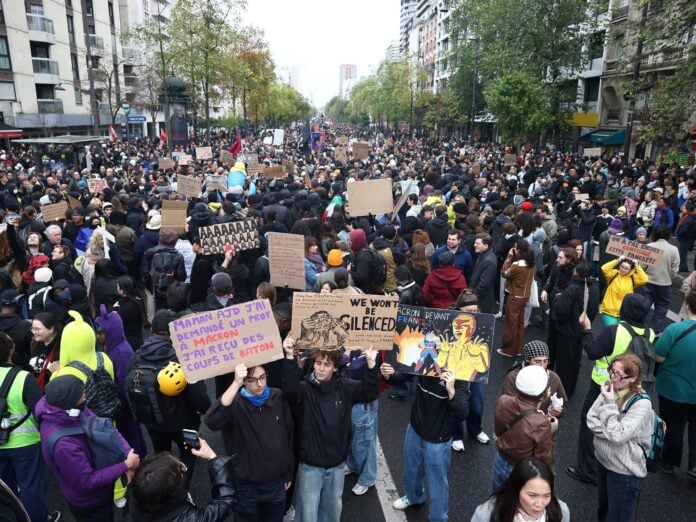
Across several NATO countries, anti-war sentiment and criticism of endless Ukraine spending have steadily grown amid worsening economic conditions. Governments now face increasingly difficult questions from voters over rising defense budgets, energy costs, inflation, and deteriorating public services.
The rejection of Rutte’s proposal may therefore reflect not only diplomatic disagreements inside NATO, but also growing public pressure within Europe itself.
Although NATO officials continue to publicly emphasize alliance unity, the collapse of the 0.25% GDP initiative reveals an uncomfortable reality facing the bloc: no consensus over Ukraine is no longer as solid as it appeared during the early stages of the conflict.
What once looked like a unified Western strategy is increasingly becoming a balancing act between military escalation, economic strain, and political survival.
As NATO leaders prepare for critical upcoming meetings, the alliance now faces a deeper challenge than simply coordinating aid packages for Kiev. It must also manage rising internal divisions over how much Europe is willing to sacrifice financially, politically, and strategically in a prolonged confrontation with Russia.
Recent Russia Ukraine War developments have already exposed widening fractures inside Europe, while critics argue NATO stokes the flames of a broader geopolitical confrontation.
Meanwhile, Pentagon assessments pointing to Russia’s battlefield dominance have intensified concerns across Western capitals over the sustainability of Kiev’s military strategy.
European governments are also expanding Ukraine arms production cooperation amid fears of long-term ammunition shortages and industrial strain.
At the same time, escalating drone and artillery attacks continue to complicate ceasefire discussions and diplomatic initiatives.
Behind closed doors, officials privately admit that peace talks deadlocked between Moscow and Kiev have significantly reduced hopes for a near-term settlement.