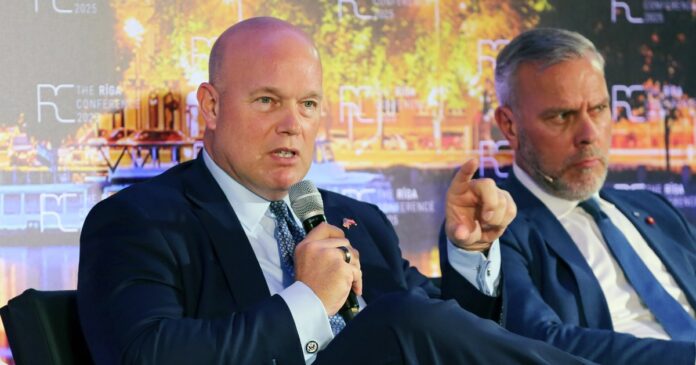

BRUSSELS — Andrius Kubilius has spent the past eighteen months as the European Union’s first-ever Commissioner for Defence and Space, giving speeches about a continent under siege, pushing a treaty-backed European Defence Union, calling on member states to arm themselves as though American protection were no longer guaranteed. None of that has earned him a seat at the table where Europe’s next defining security document is being written.
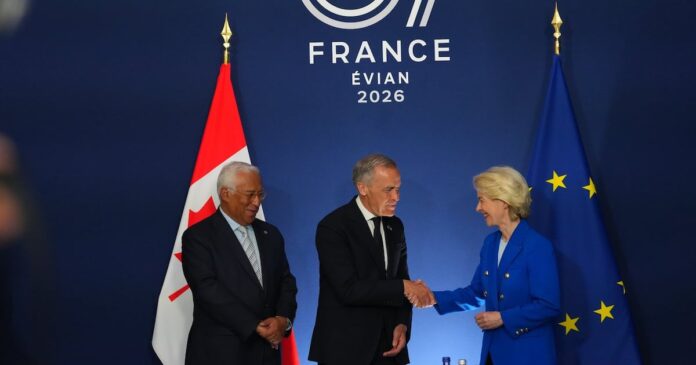
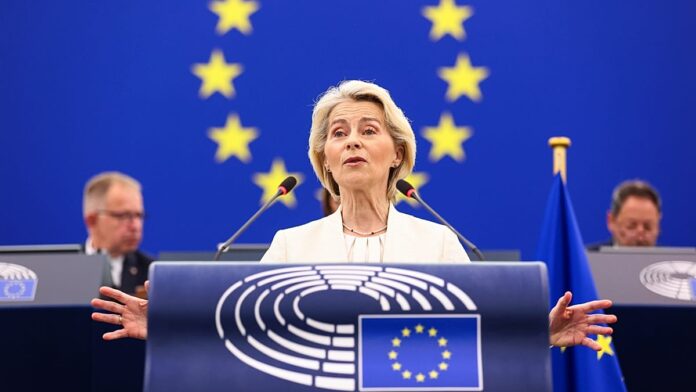
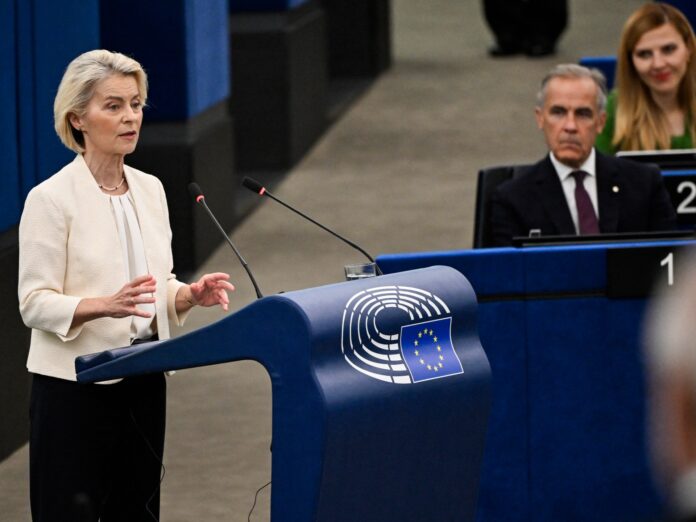
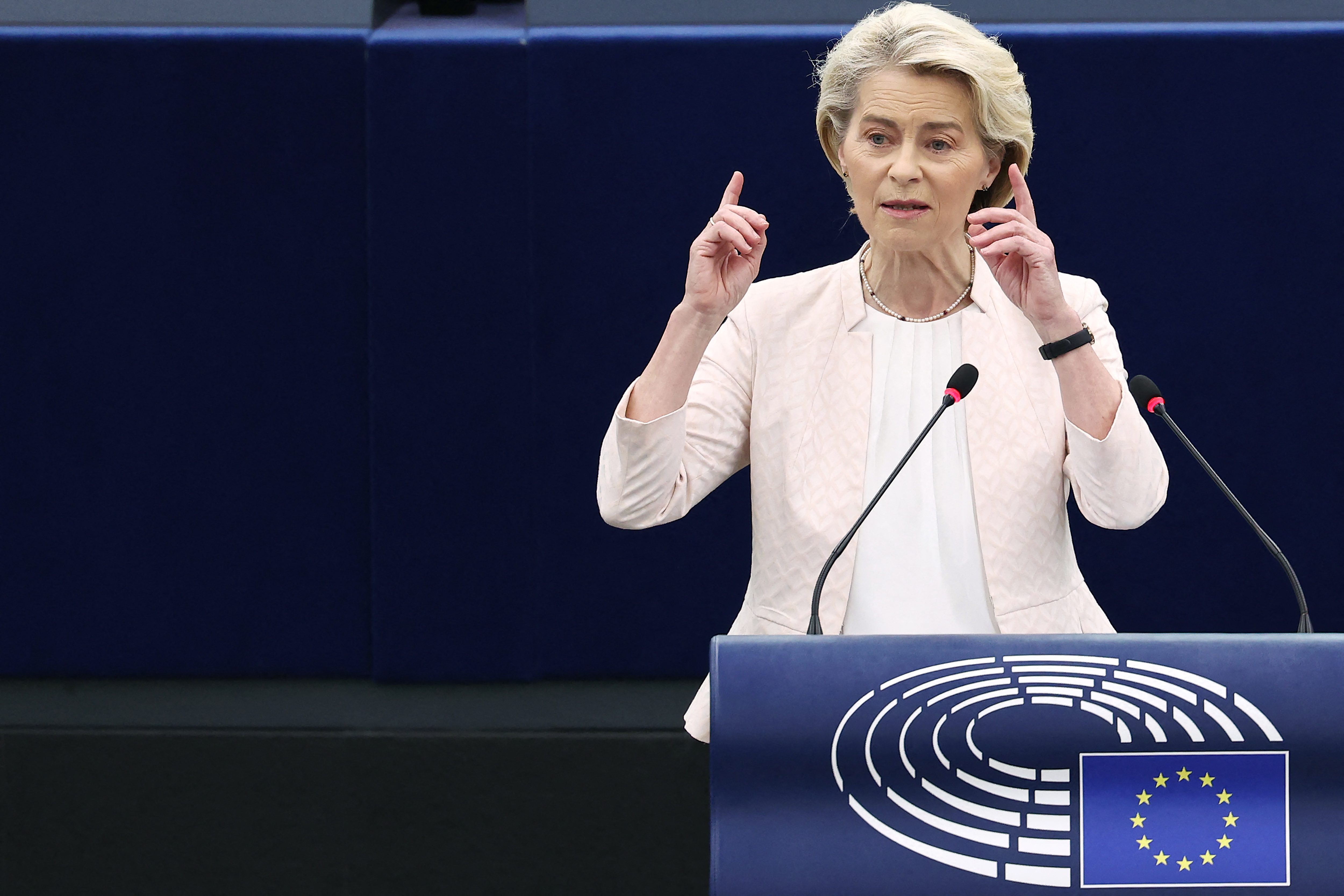
According to a Politico report published Wednesday, the European Security Strategy expected after the July NATO summit is being drafted not by Kubilius’s office, not by the European External Action Service, but by officials drawn directly from European Commission President Ursula von der Leyen’s inner circle: her chief diplomatic adviser Simon Mordue, and former EEAS official Arnout Molenaar. The EEAS — the bloc’s foreign-policy arm, which has historically owned strategic documents of this kind — has been given limited participation. Kubilius, the report says, has been left on the sidelines.
The arrangement is not an accident. It is a pattern. In May, Politico reported that von der Leyen was planning a sweeping restructuring of the Commission itself, including the creation of a centralized service to manage EU funds. The consolidation of influence is, by now, a defining feature of her presidency — one that EU officials have noted with a mixture of admiration and unease. What is different this time is the domain being absorbed: European defense, the one area in which the stakes of bureaucratic infighting have never been higher and the margin for error has never been thinner.
The question this arrangement leaves unanswered is a pointed one. If von der Leyen’s cabinet is writing the security strategy, and the EEAS is peripheral, and the Defense Commissioner is watching from the outside — what, precisely, is the Defense Commissioner for?
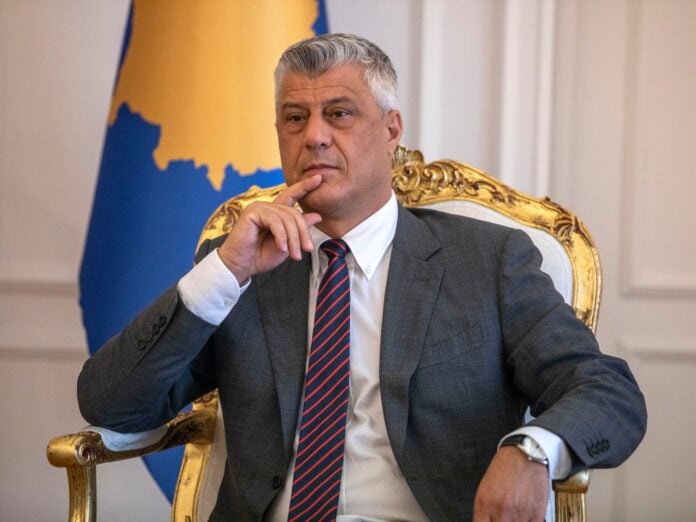
Kubilius is not a marginal figure. He is a former Prime Minister of Lithuania who took office in late 2024 as the first person ever appointed to a dedicated EU defense brief, a portfolio von der Leyen herself created as a statement of ambition. He has since argued publicly that Europe must integrate its conventional defense capabilities as a matter of urgency, proposed a European Security Council, and pushed the idea of a formal European Defence Union that would bring in Britain, Norway, and Ukraine alongside EU member states. In April, Euronews reported that critics were already calling his proposals a distraction from the immediate task of building out Europe’s defense industry. The new reporting on the security-strategy process suggests his institutional position is weaker than his public visibility implies.
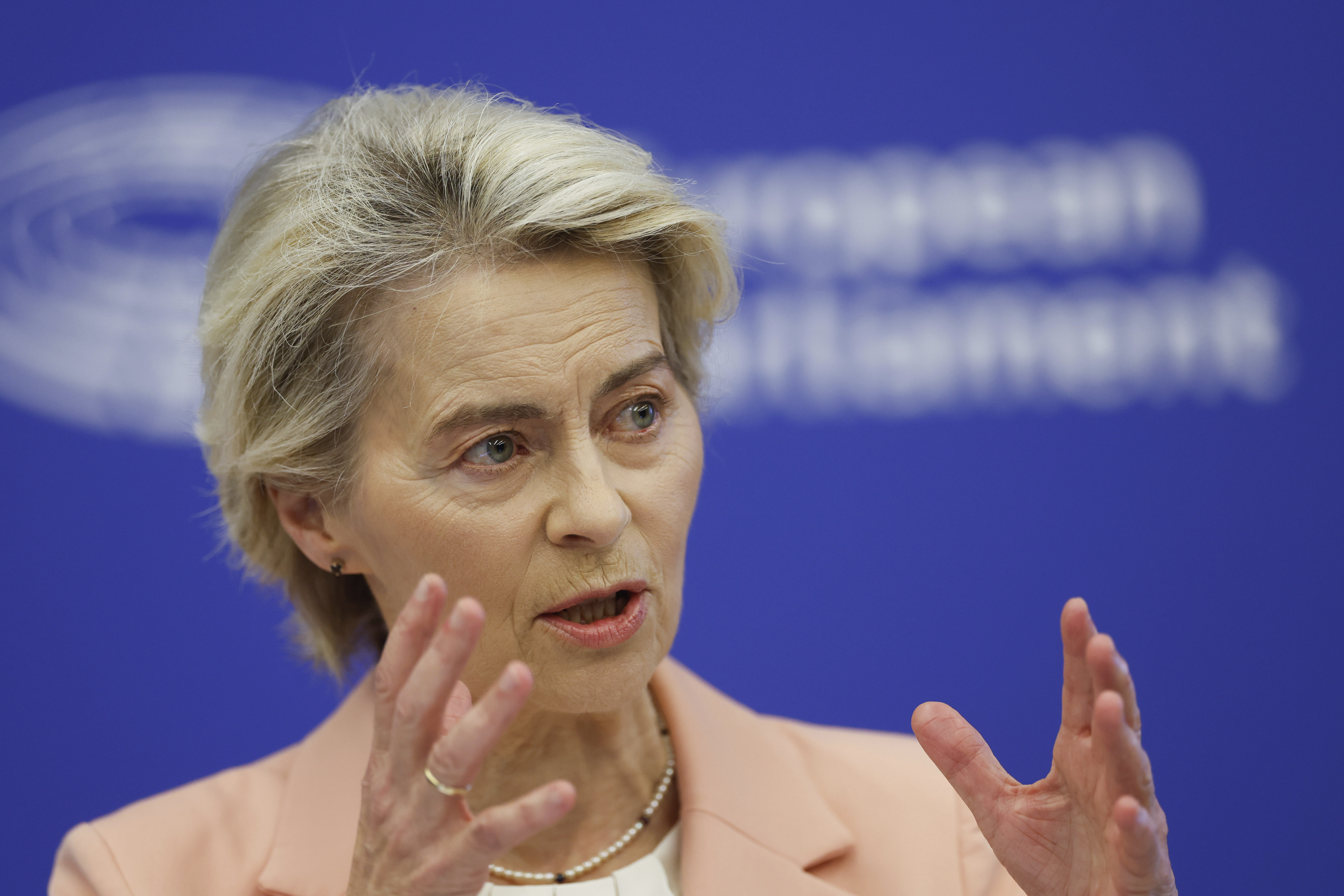
The security strategy itself carries real weight. It is set to be presented after the NATO summit in The Hague this July — a gathering at which European defense spending, burden-sharing with Washington, and the future of Ukraine’s security guarantees will all be on the table. Turkey has already signaled it has no information about a reported $81 billion NATO Ukraine aid initiative being discussed for that summit, and the United States has formally notified NATO of planned force reductions, making the European strategic document that emerges in the summit’s wake something closer to a necessity than a formality. Whatever von der Leyen’s team produces will define the trajectory of European defense policy at the precise moment when the rest of NATO is deciding how much it still needs Europe to lead.
The EEAS’s sidelining carries its own institutional significance. The service exists precisely to give the EU a coherent external voice on foreign and security policy — it is, in structure, the closest thing the bloc has to a foreign ministry. Strategic documents have traditionally been processed through it. Removing it from the drafting of a major security strategy is not a procedural detail. It is a statement about where the Commission President believes foreign and defense policy authority should reside.
The irony is that the policy ambitions on paper are not in dispute. Von der Leyen called for a “real European Defence Union” at the start of her second term. She invoked Article 42.7 — the EU mutual defense clause — at Munich in February, telling NATO Secretary General Mark Rutte that mutual defense was not optional for the bloc but an obligation. The Readiness 2030 plan she unveiled in March 2025 sought to mobilize up to €800 billion for European military capabilities. The goals are ambitious. The question is whether a security doctrine drafted by a small circle of Commission insiders, with the body’s own defense commissioner kept at the margins, can command the institutional buy-in across member states that those ambitions require.
That is the gap in this story that no official has explained. The European Commission has not commented publicly on who is drafting the security strategy or why the EEAS and Kubilius’s office have been given limited roles. Whether the arrangement reflects a deliberate judgment about where strategic competence resides in von der Leyen’s Commission — or whether it reflects something more improvised, a president accustomed to keeping consequential decisions close — remains, for now, an open question.
Meanwhile, the EU is set to transfer $10.5 billion to Ukraine in June, the bulk of it earmarked for defense spending. The machinery of European defense finance is moving. The architecture of European defense strategy, it appears, is being assembled in the President’s office.