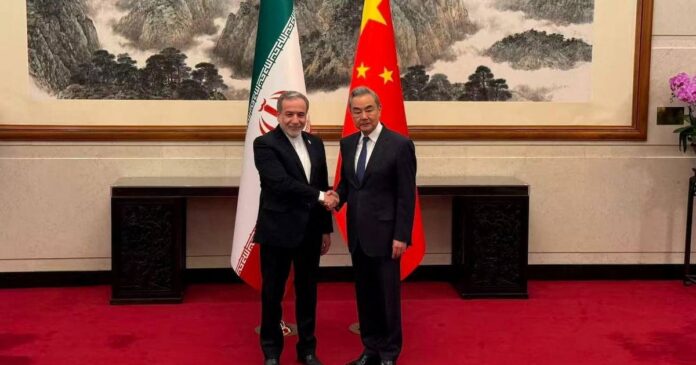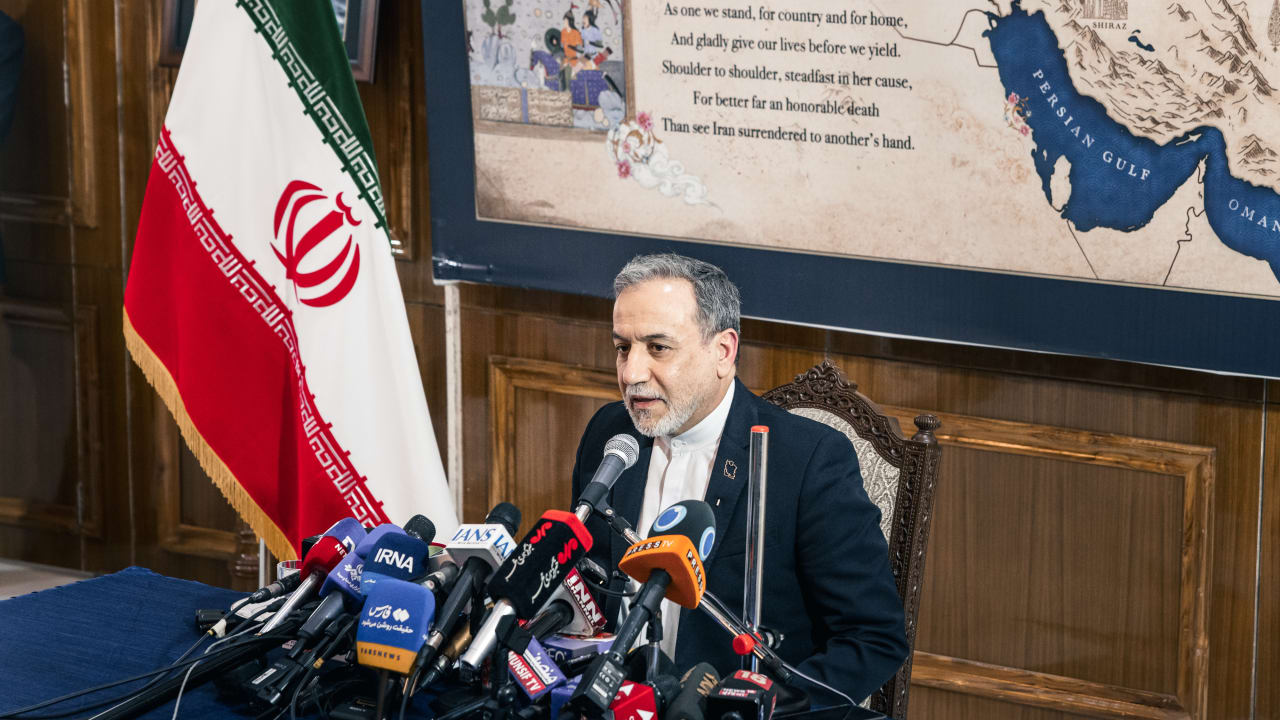

TEHRAN – The day American and Iranian diplomats gathered in Doha to negotiate a path through the region’s most dangerous crisis in decades, Iran’s foreign minister posted a statement on social media that stripped the diplomatic language down to something blunter: the United States had promised, under the Islamabad memorandum, to stop Israel from striking Iran again, and if Washington’s “pets in Tel Aviv” defied their “master,” Iran would “school them.”
Abbas Araghchi’s post on July 1 landed hours after Israeli Defense Minister Israel Katz told a closed military briefing that Supreme Leader Ali Khamenei had been “marked for death.” That combination placed the Doha talks under a pressure that neither side could publicly acknowledge: Iran was negotiating with a country whose ally was simultaneously threatening to assassinate its supreme leader.
The Islamabad MoU, signed in May 2026, included a US commitment to prevent Israel from launching new strikes against Iran during the nuclear negotiation period. Iran’s foreign ministry had previously treated that commitment with cautious optimism. Araghchi’s post on Tuesday traded caution for something closer to an ultimatum. “The terms of the Islamabad MoU are crystal clear and public for all to see,” he wrote. “POTUS has committed the U.S. to muzzling its pets in Tel Aviv. If they ignore their master, Iran will school them. Any threat against our People and Leadership will receive Immediate Powerful Response.”
The word “muzzle” was not accidental. Iranian officials have, in previous negotiations, kept their public statements within the register of formal diplomacy. Araghchi chose language that framed the US-Israel relationship in terms of subordination, “master” and “pets,” and made Washington’s obligation under the MoU explicit, public, and uncomfortable for both parties simultaneously. The post carried no hedges, no diplomatic preamble, and no invitation for further dialogue.
Katz’s remarks had a different register but the same temperature. He said, at a closed memorial ceremony for a fallen soldier, that Israel had “attacked twice” and would strike again “if necessary.” He separately told the briefing that Khamenei had been personally designated as a target, according to the Jerusalem Post, which confirmed the remarks independently after Israeli media first reported them. Ynet also confirmed the closed briefing details through separate channels.
Whether Katz intended those remarks to leak is unclear. What is clear is that they leaked on the same day Iran and the US were attempting, through intermediaries in Doha, to find a framework that might prevent another escalation. The Iranian foreign ministry issued no formal statement beyond Araghchi’s post, a conspicuous silence. Iranian officials have historically responded to direct threats against the Supreme Leader within hours through official channels. The decision to let the social media post stand as the sole public response suggested it was the deliberate one.
The Doha negotiations are being conducted indirectly, with US and Iranian officials communicating through intermediaries rather than sitting across a table. Neither side has confirmed the specific agenda on the record, though reports from regional outlets indicate the sessions have focused on the nuclear file and the practical meaning of the MoU’s restraint clause, specifically whether it remains operative after Israel’s second strike on Iranian territory this year.
Netanyahu has complicated the picture from the Israeli side. The prime minister has maintained publicly that Iran obtained atomic weapons before Israel’s 2026 strikes, a claim his own former military chief, Gadi Eisenkot, called fabrication. Former Prime Minister Naftali Bennett was more direct: “That’s a lie.” The public contradiction between Netanyahu’s stated justification and the assessments of his former senior commanders has not been resolved, and it matters for the Doha talks: the legal and strategic basis on which Israel conducted two rounds of strikes against Iran is being disputed by Israeli officials themselves.
Iran’s position, as expressed through Araghchi’s post, treats the question of who is right about the bomb as secondary to the question that matters now: does the United States have the practical ability to prevent Israel from striking a third time, and does it intend to use it? The MoU is the US’s answer on paper. Israel’s posture on Lebanon and the broader region suggests the gap between that paper commitment and American leverage over Israeli military decisions may be wider than the MoU implies.
What the Doha process cannot resolve publicly is the underlying tension that produced Araghchi’s post and Katz’s threats on the same afternoon: the United States is simultaneously negotiating with Iran and guaranteeing the military capacity of the country that has struck Iran twice in 2026. Whether Washington can satisfy both obligations at once, or whether the MoU’s restraint clause is a commitment it cannot actually enforce, is the question Araghchi put on the table in public. The Doha talks are the place where the answer, if there is one, would have to be worked out in private.