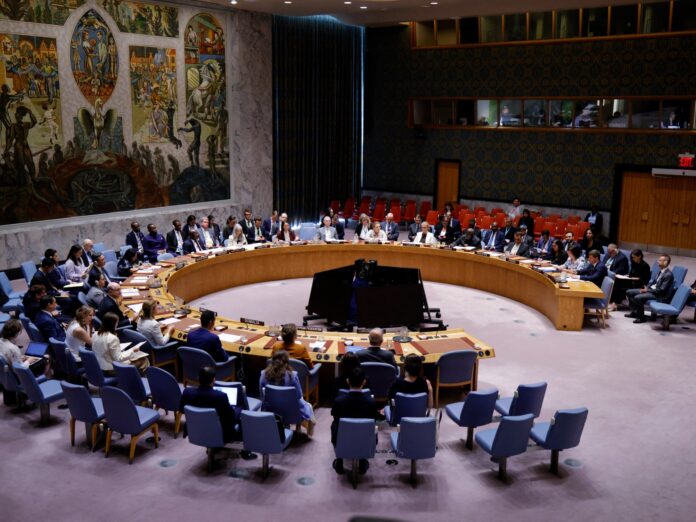
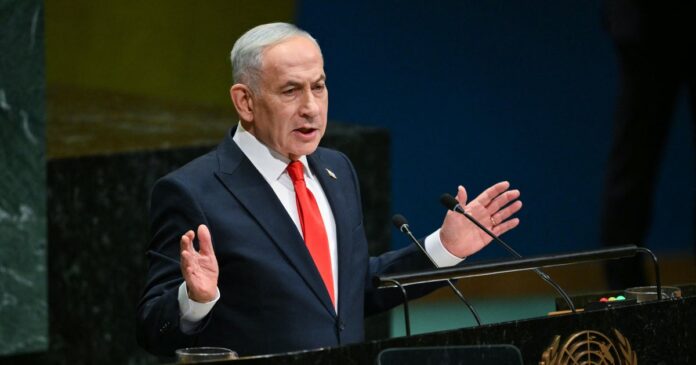
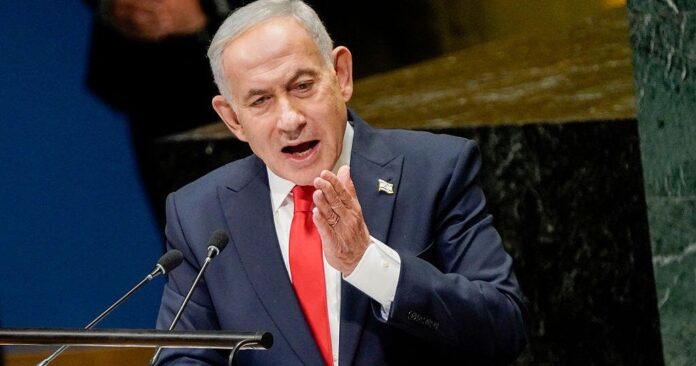
NEW YORK — Benjamin Netanyahu flew six hours to New York on Thursday, addressed the United Nations General Assembly in a 40-minute speech, and was on a plane back to Tel Aviv before nightfall. The brevity was the point. He had not come to negotiate.
One floor below, in rooms the Israeli delegation never entered, a different set of conversations had been unfolding for two days. Abbas Araghchi, Iran’s foreign minister, had presented US envoys Steve Witkoff and Jared Kushner with a written document on Wednesday: a 60-day regionwide ceasefire roadmap that would pause the fighting, begin a phased reopening of the Strait of Hormuz, and end the American naval blockade of Iranian ports.
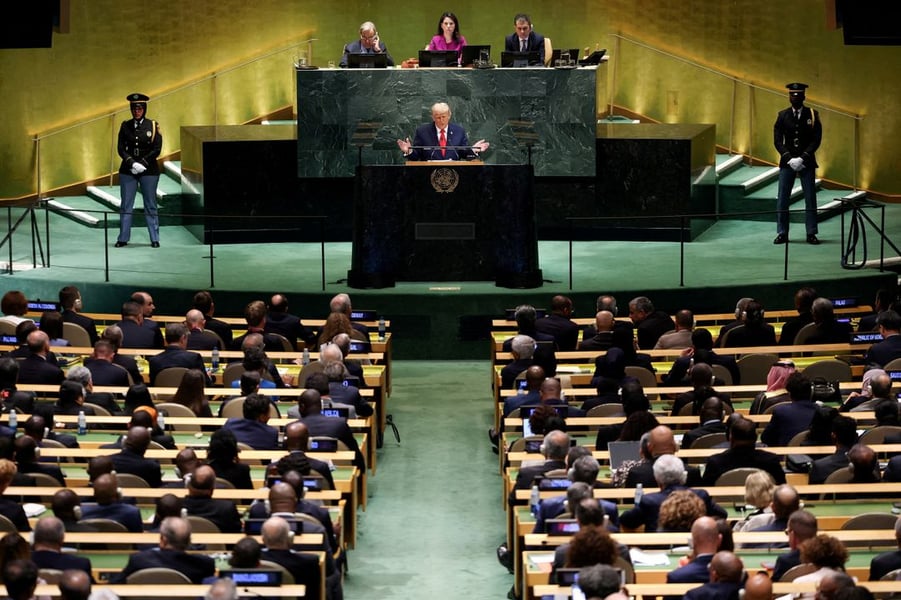
Donald Trump, who had told the same General Assembly on Tuesday that he might “annihilate” Iran if no deal was reached, confirmed the talks on Wednesday evening. “It was a very good meeting,” Trump said. Witkoff told reporters that mediators, Qatar, Pakistan, and Egypt shuttling messages between delegations a few blocks apart on the east side of Manhattan, would continue their work. The same president who threatened annihilation described momentum toward agreement.
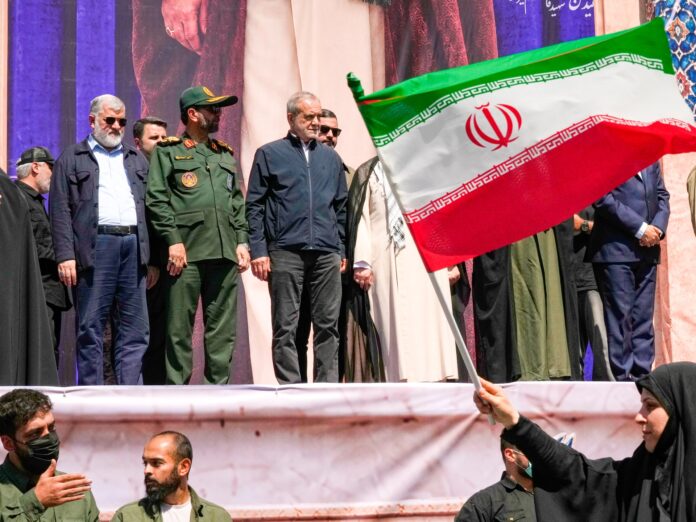
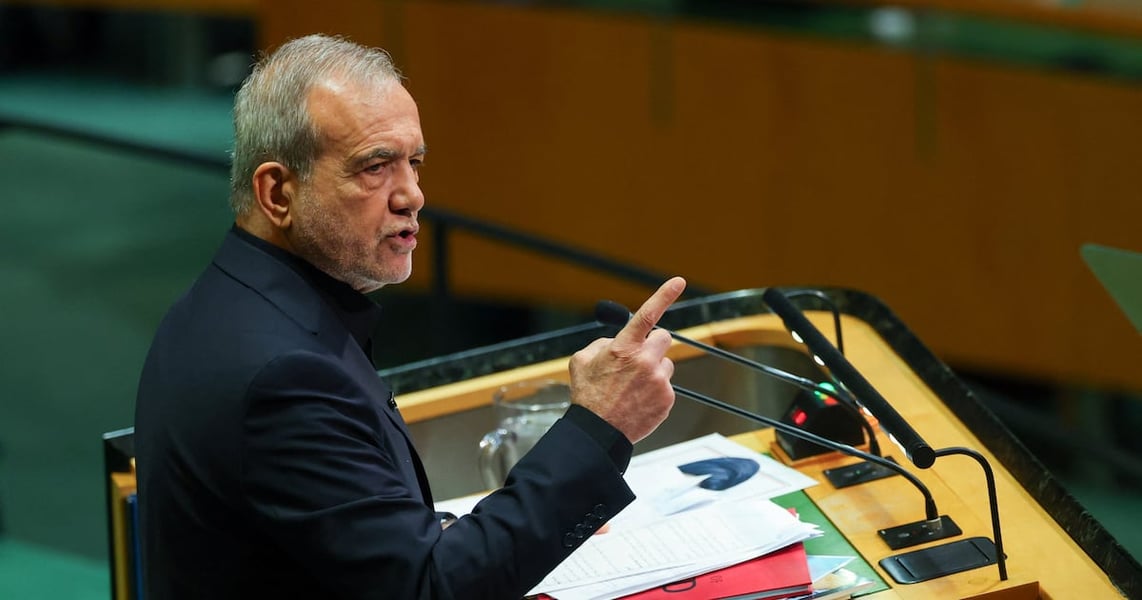
Iran’s proposal, described by a source with knowledge of the talks as “a sort of detailed agenda for future substantive negotiations,” carried specific preconditions. Tehran wants the United States to lift its naval blockade, release approximately $24 billion in frozen Iranian funds, and halt enforcement of the Houthi blockade in Yemen, conditions the document presents as prerequisites for any comprehensive resolution. Masoud Pezeshkian had stood at the General Assembly podium on Tuesday and said Iran “will not bend at the knee” to American pressure while simultaneously declaring his government “ready for dialogue and diplomacy without force.” The roadmap delivered a day later is the written expression of that position.
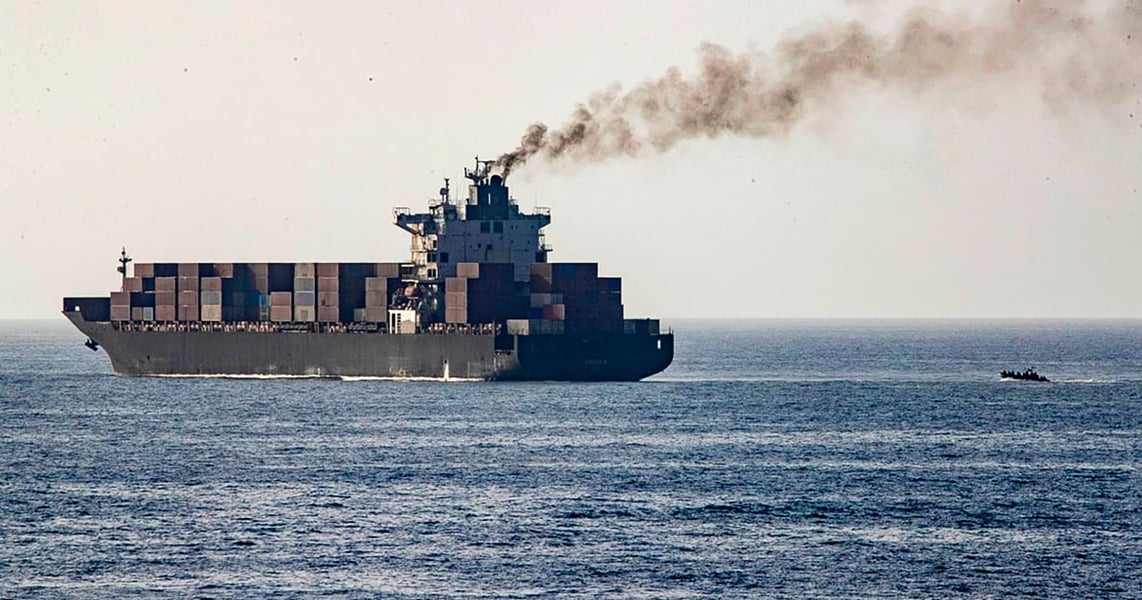
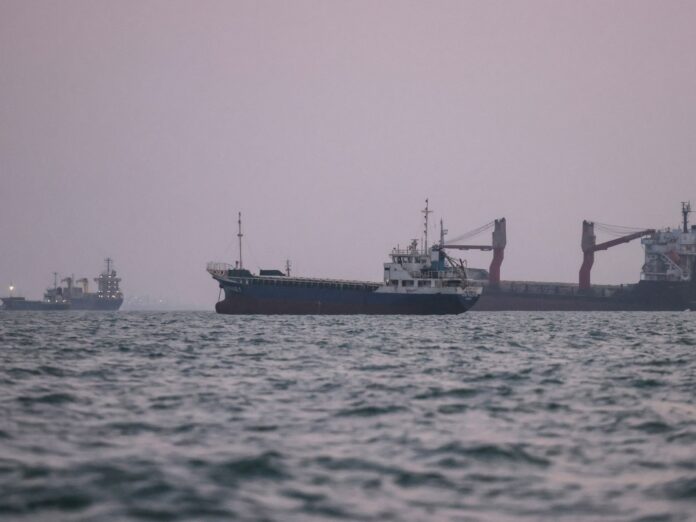
The Strait of Hormuz has been effectively closed to Western-allied commercial shipping since early May. Lloyd’s List Intelligence has assessed no Western-allied transits since May 4, and the IRGC’s “Persian Gulf Strait Authority” has charged vessels up to $2 million per passage, payable in Chinese yuan, bitcoin, or USDT. A senior Iranian official told Reuters on Monday that Tehran could reopen the strait within seven days if Washington eased military pressure and lifted the blockade of Iranian ports. That seven-day timeline is either a serious offer or a pressure mechanism, and the difference between those two possibilities is the central diagnostic for evaluating what Iran actually put on the table in New York.
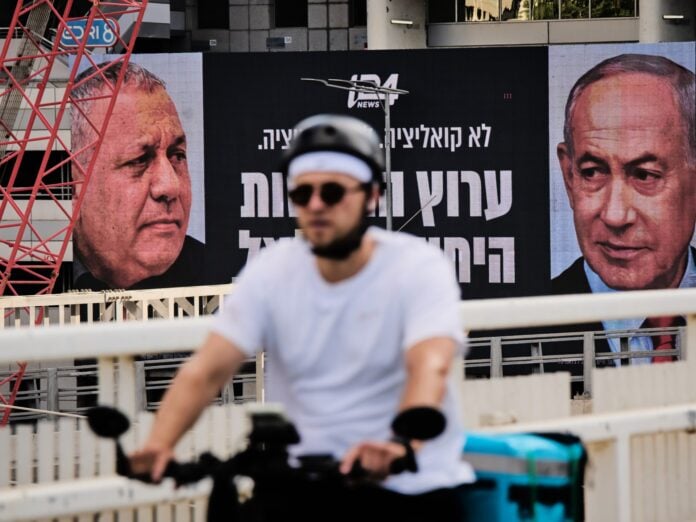
The Trump-Netanyahu gap has been documented since at least July, when Netanyahu flew to Washington and found Trump prepared to consider a framework leaving Iran’s nuclear program for later discussion. Finance Minister Smotrich and National Security Minister Ben Gvir declared publicly that Israel does not consider itself bound by any such arrangement. Netanyahu has been described in private meetings as furious at Tehran for failing to collapse under pressure, and at Washington for not pressing harder. The 60-day roadmap Iran delivered this week lands directly into that fissure: every step Trump takes toward a deal is a step Netanyahu’s government has explicitly said it will not accept.
What the roadmap does not contain is as significant as what it does. Iran’s document makes no mention of its nuclear program or its ballistic missile arsenal. Tehran frames both as topics for a later stage, after the fighting stops and the blockade is lifted. Washington has not agreed to that sequencing. Netanyahu has built his domestic political case on the argument that allowing Iran to retain those capabilities under any agreement would constitute the most dangerous outcome the conflict could produce. That disagreement is not a footnote in the roadmap. It is the roadmap’s most consequential omission.
Trump’s team has indicated interest in moving the next phase of discussions to Oman (the city of Salalah has been discussed as a venue) later this month. Whether those talks produce substantive movement depends on a question neither side has answered publicly: whether the United States is prepared to make the concessions Iran’s roadmap identifies as prerequisites, and whether Israel will permit Washington to do so, Al Jazeera reported, without consequences for the bilateral relationship.