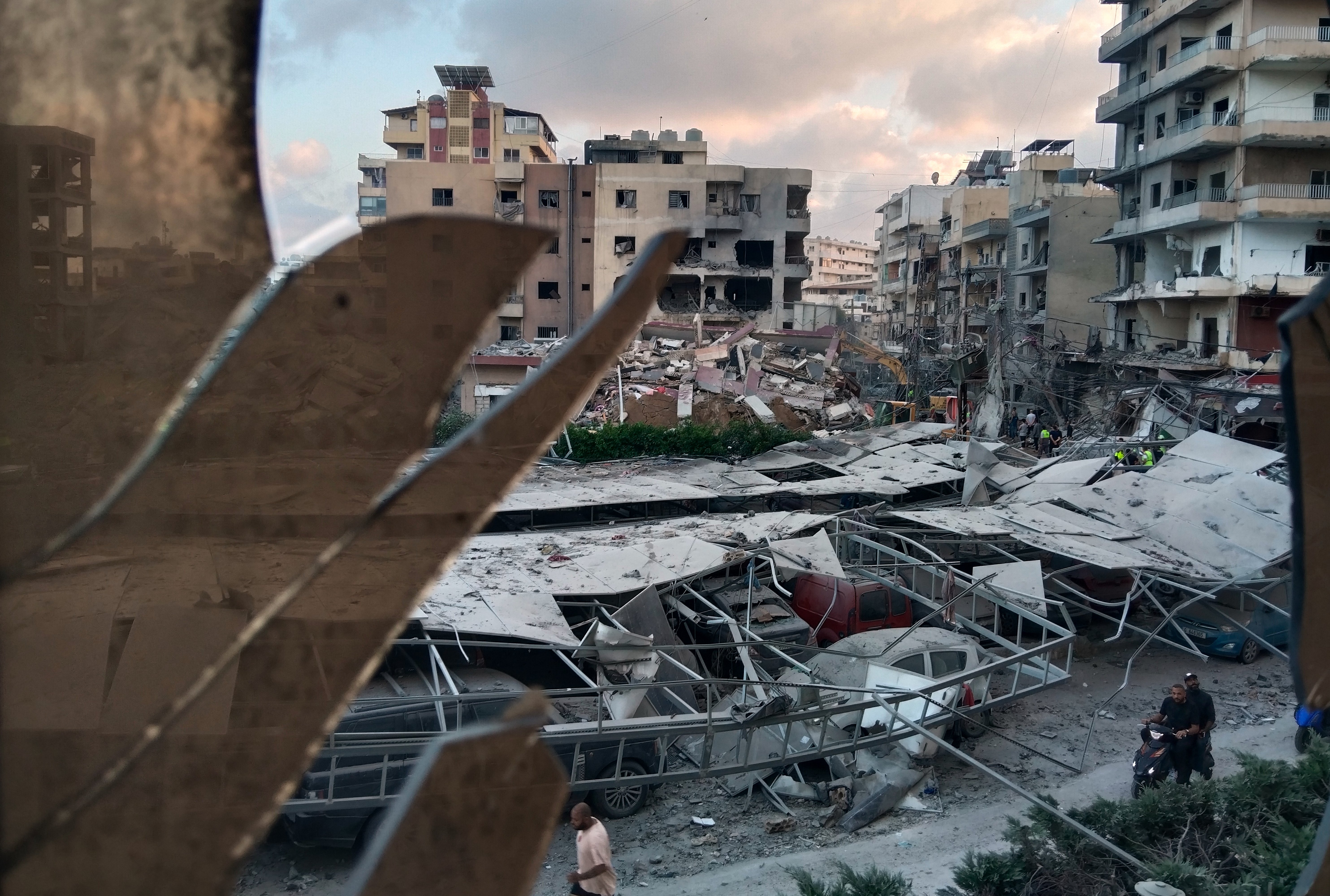
American motorists are paying a steep economic price at the pump following the escalation of hostilities in the Middle East after Israel attacks Iran, with new data suggesting the conflict has already cost consumers billions of dollars.
According to Patrick De Haan, head of petroleum analysis at GasBuddy, Americans have spent roughly $2.2 billion more on gasoline since February 28, when the United States and Israel launched coordinated strikes against Iranian targets. The estimate, based on national gasoline consumption and price increases since the start of the military campaign, highlights the immediate economic ripple effects of the conflict on households across the United States.
“Americans have now spent $2.191 billion more on gasoline since Feb. 28, mostly due to the price of oil surging amid the threat of attacks in the Strait,” De Haan wrote on social media.
The surge in gasoline spending reflects a sharp spike in crude prices after oil prices surged as traders reacted to rising geopolitical tensions. The confrontation between Tehran and its adversaries quickly rippled across global energy markets, sending shockwaves through financial and commodity exchanges worldwide.
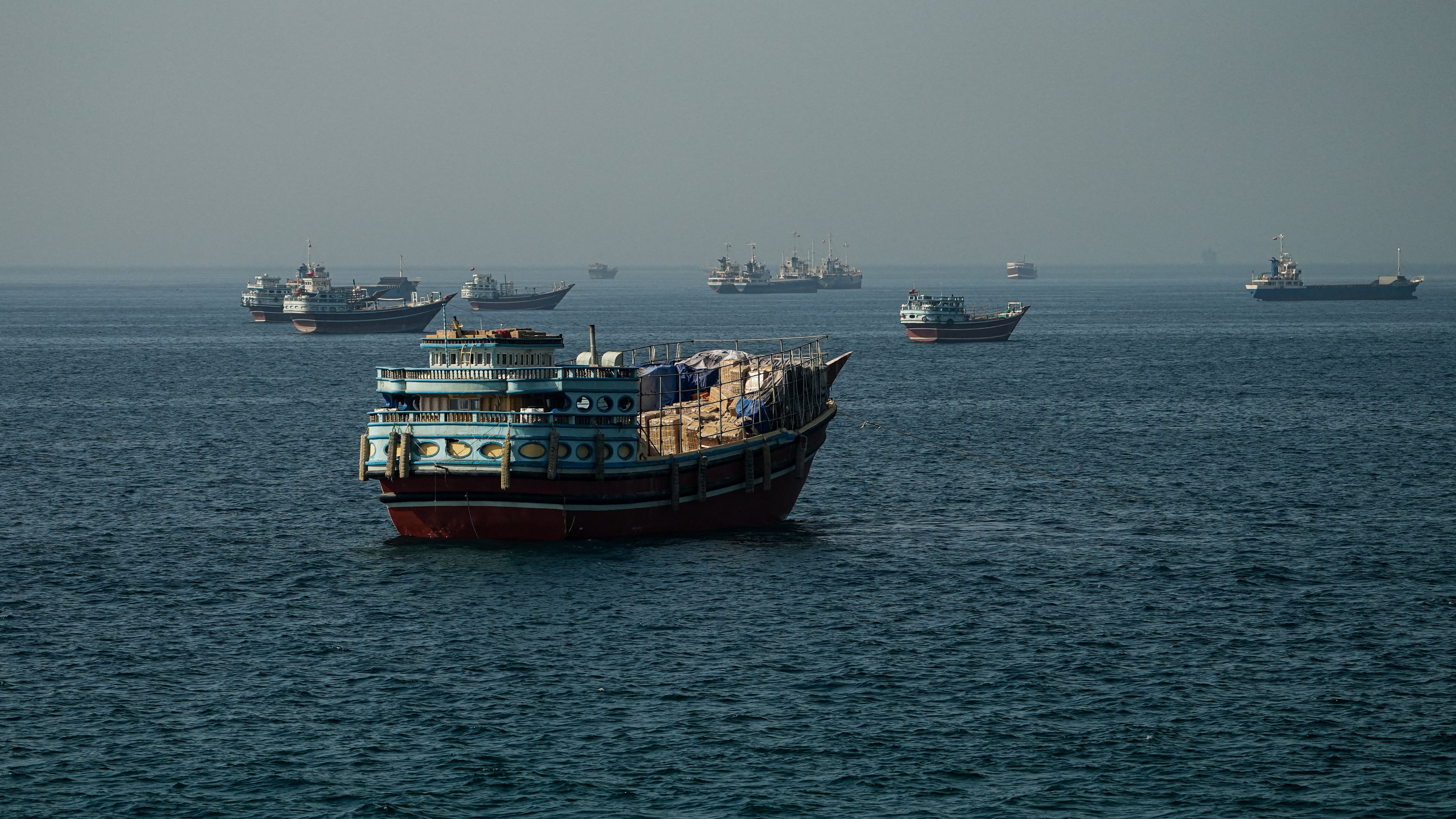
The Strait of Hormuz, a narrow maritime passage between Iran and Oman through which a significant portion of global oil exports pass, quickly became the focal point of the crisis. Even the perceived risk to the Strait of Hormuz has historically been enough to send energy prices higher.
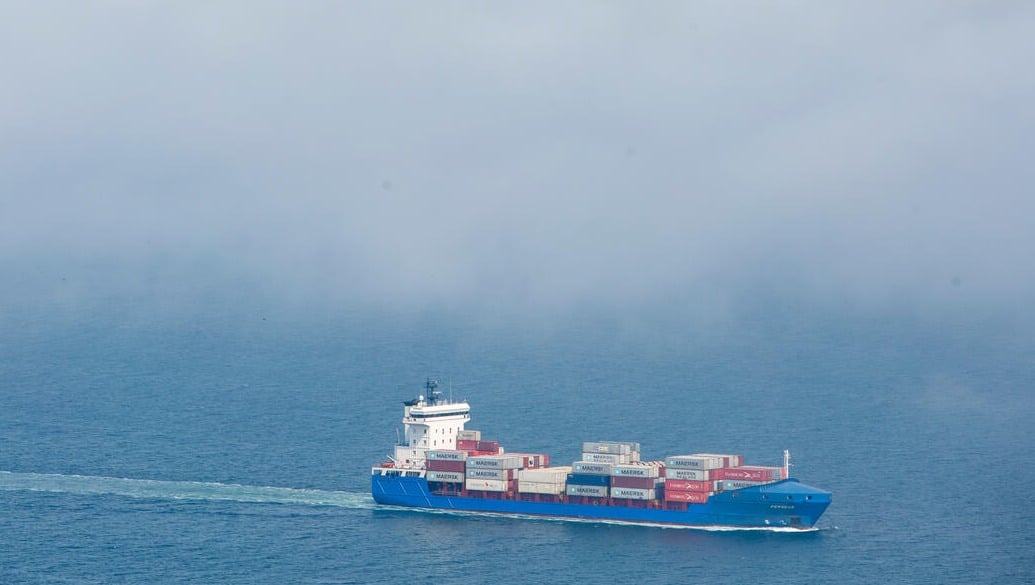
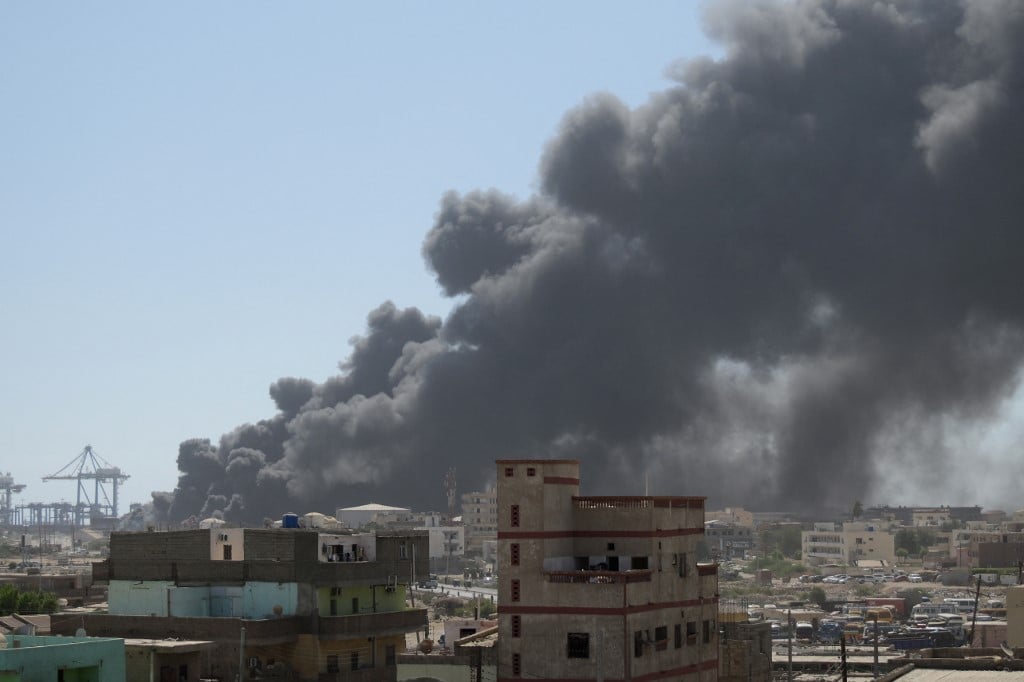
Shipping traffic in the region slowed dramatically as tanker operators and insurers assessed the dangers of operating in a conflict zone. Maritime disruptions have already begun affecting tanker routes and logistics, as highlighted in reports about shipping traffic in the region slowed dramatically.
Energy traders reacted swiftly. Within days of the strikes, benchmark crude oil prices climbed dramatically, with analysts pointing to the moment when oil prices surged past $100 per barrel. The rally reflects fears of supply disruptions and escalating geopolitical tensions.
International financial outlets reported that global energy markets have been reacting to the possibility that the conflict could widen and threaten critical infrastructure across the Middle East.
For American consumers, the effects were immediate. The national average price of gasoline rose sharply, with reports indicating that gasoline prices climbed sharply across the United States in the days following the escalation.
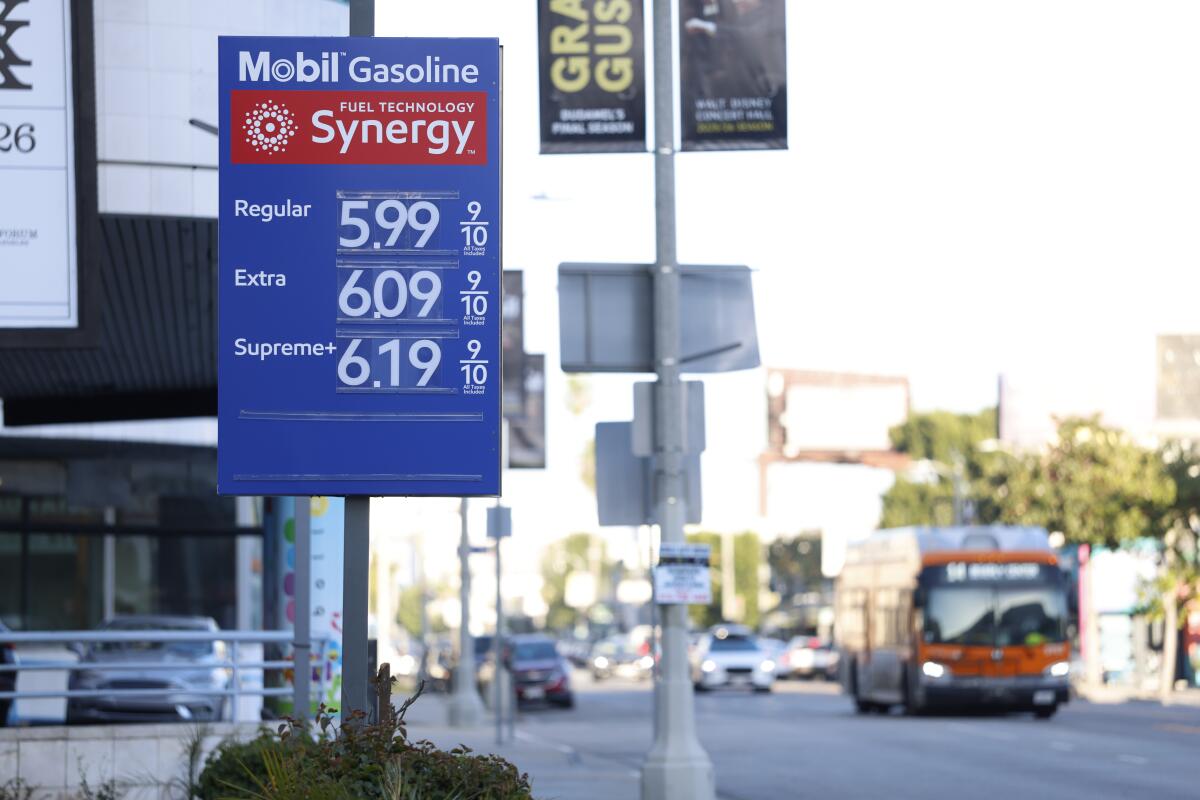
Energy analysts say the rise was fueled not only by the conflict itself but also by uncertainty about how far the confrontation could spread across the Middle East, a region that remains central to global oil production and transportation.
Markets tend to react strongly to geopolitical risk, particularly when the Persian Gulf is involved. Even limited disruptions or threats can send prices higher because the global oil market relies heavily on steady flows from the region.
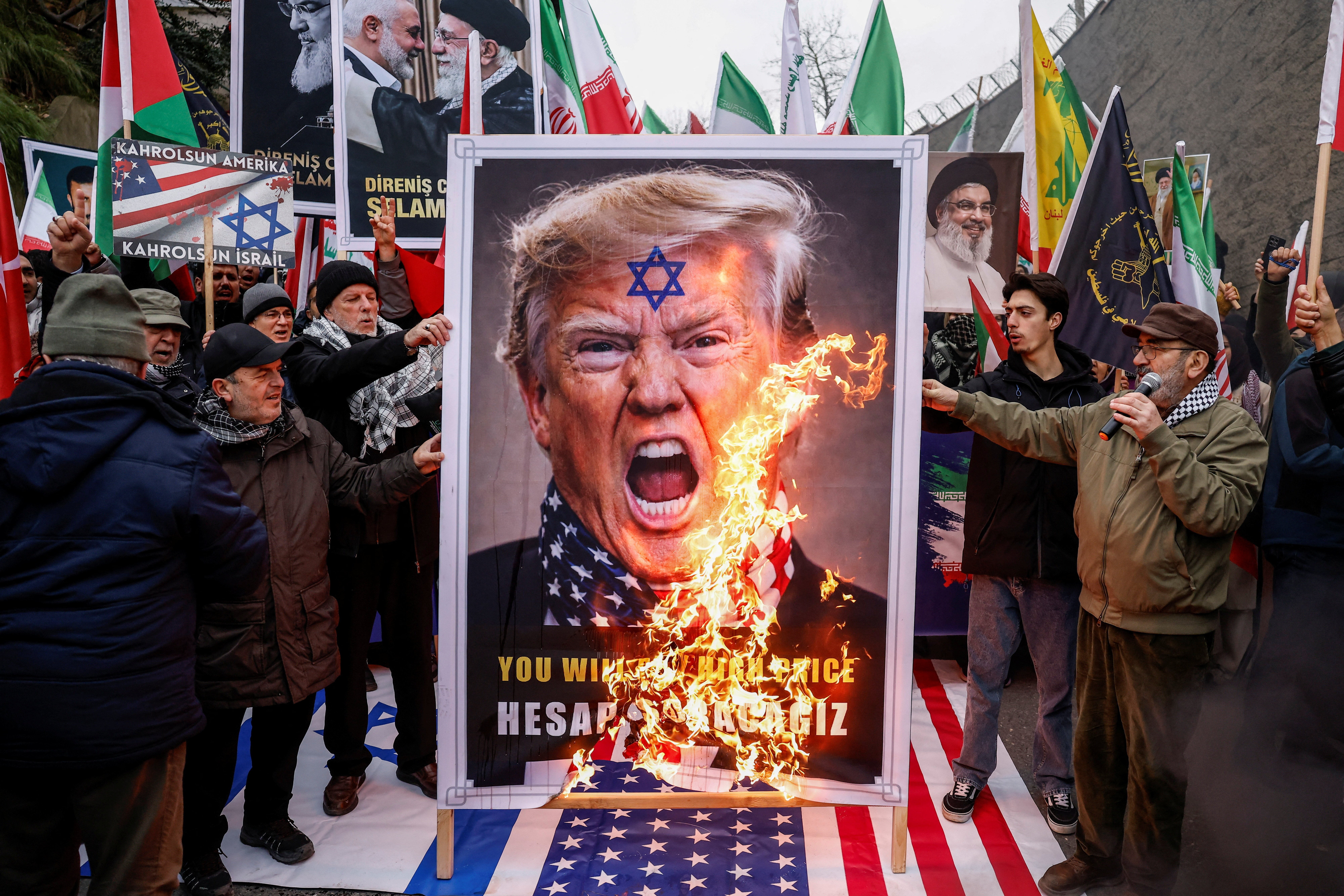
Those fears intensified after Iran retaliated. Reports of Iran responded with strikes against Israeli territory raised the prospect of a prolonged confrontation.
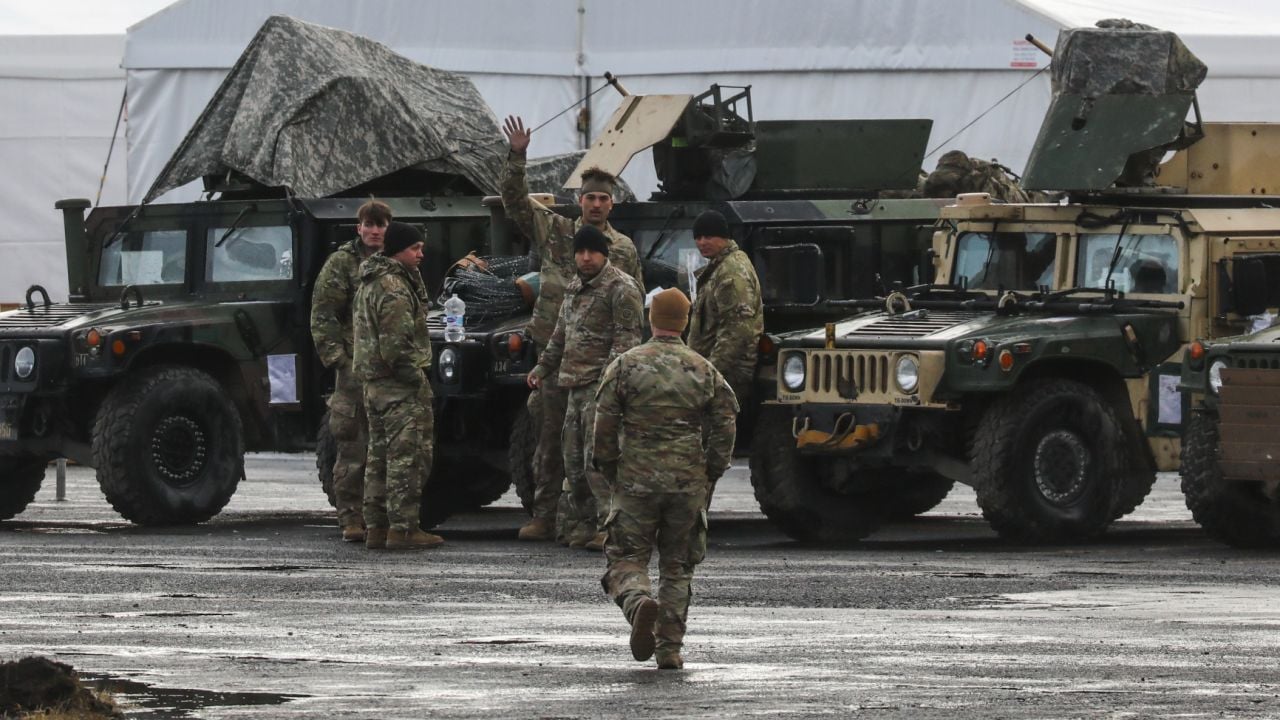
Iranian forces also launched attacks targeting American facilities in the region. Military analysts described attacks on American military facilities in the Middle East as part of a broader escalation that could draw additional actors into the conflict.
As the fighting intensified, traders warned that oil shipments through the region could face disruption. Concerns about oil shipments through the Strait of Hormuz helped push energy prices even higher.
Economists say the impact is not limited to drivers. Higher fuel costs ripple throughout the economy, raising transportation expenses and contributing to broader inflation pressures.
Industries dependent on transportation are already preparing for higher operating costs. Airlines, shipping companies, and agricultural producers all rely heavily on fuel, making them particularly vulnerable to rising energy prices.
The surge in energy costs has also fueled fears of a wider global energy crisis if tensions continue escalating.
Financial analysts note that global markets reacted strongly to the outbreak of the conflict, with investors seeking safe-haven assets amid rising geopolitical risk.
Meanwhile, international observers have continued to debate the political consequences of the conflict. The crisis began when the United States and Israel launched coordinated strikes on Iranian targets, including locations in Tehran.
The attacks caused damage and civilian casualties, prompting retaliatory strikes from Iran. The exchange of fire between the sides quickly became one of the most serious confrontations in the region in decades.
Iran’s Supreme Leader Ayatollah Ali Khamenei was killed during the first day of the operation, prompting nationwide mourning across Iran. The government declared a 40-day mourning period following his death.
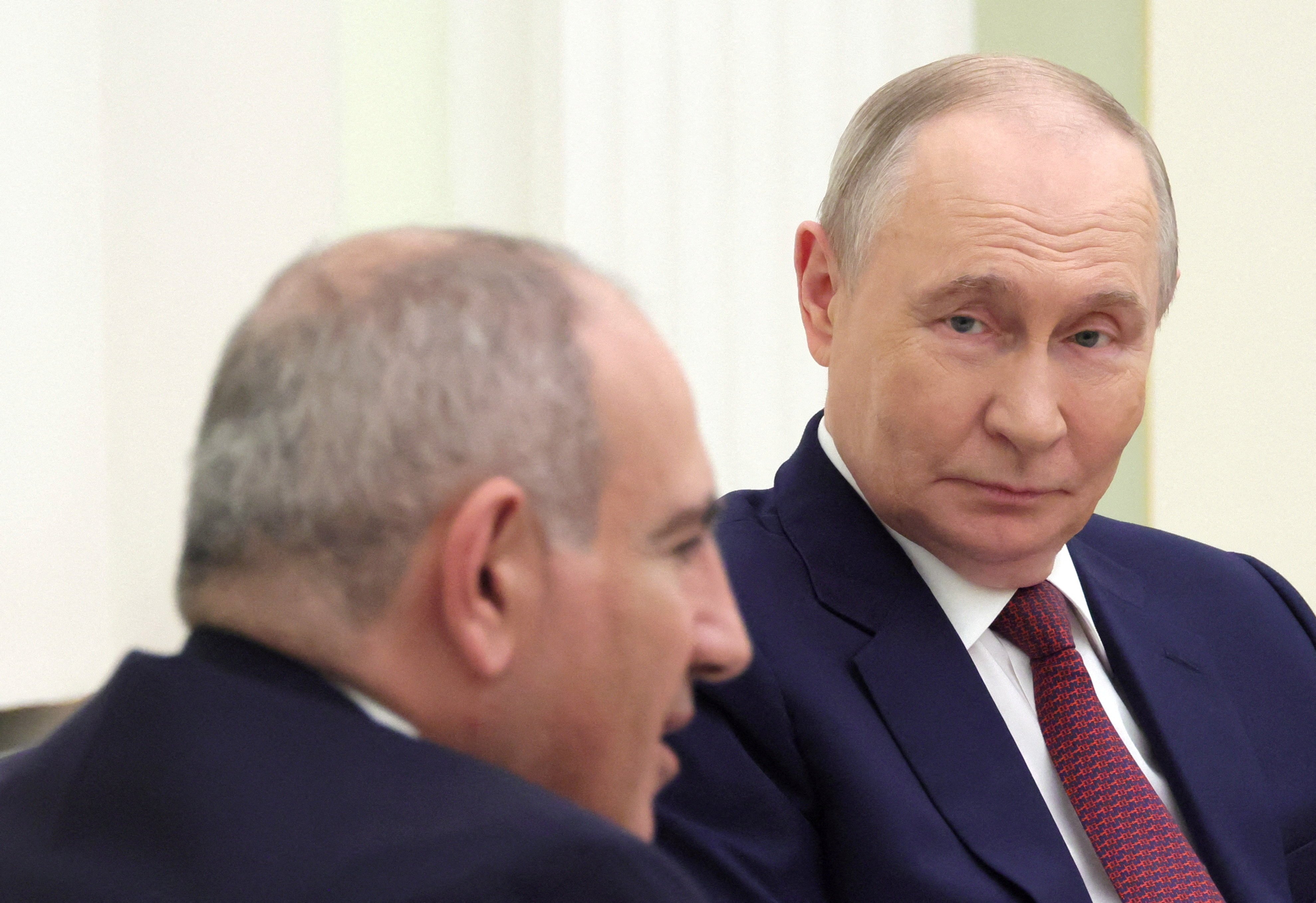
Russia strongly condemned the killing. Statements from Moscow noted that Russian President Vladimir Putin criticized the strikes as a violation of international law and warned that the assassination could destabilize global security.
The Russian Foreign Ministry also called for immediate de-escalation and urged all parties to halt hostilities before the conflict expands further.
Meanwhile, intelligence and security analysts reported new technological dimensions of the conflict, including claims that China detected US B-2 bomber signals during the early phase of the operation.
Despite diplomatic calls for restraint, fighting has continued, and energy markets reacted strongly as traders attempted to assess the long-term consequences of the conflict.
Other international reports suggested that oil markets into turmoil could persist if military activity continues near key shipping routes.
For now, American drivers are experiencing the consequences directly through rising fuel prices.
The additional $2.2 billion spent on gasoline since the conflict began underscores how geopolitical events thousands of miles away can quickly translate into financial pressure for consumers across the United States.
If tensions ease and oil shipments resume normal flows, gasoline prices could stabilize. But if the confrontation intensifies, analysts warn that the cost of fuel may continue climbing.
For millions of drivers across the country, the effects of a distant war are already visible every time they pull up to the pump.