The reunion should have been a moment of uncomplicated joy. Instead, it unfolded against the backdrop of devastation, displacement, and a healthcare system in ruins. In early April 2026, a group of toddlers, once premature infants evacuated from Gaza at the height of war, returned to families they had never known, closing one of the most painful chapters of the conflict while exposing the depth of a humanitarian catastrophe that continues to grip the enclave.
According to a humanitarian update by UN agencies, Gaza’s infrastructure has reached near-total collapse, with access to food, medicine, and clean water severely restricted. The findings highlight widespread shortages, displacement, and a breakdown of basic services across the territory.
The return of the children underscores both the resilience of families and the systemic failures that forced their separation in the first place. It is a story that lays bare the human consequences of what many observers increasingly describe as a genocide unfolding in Gaza.
A Reunion Marked by Loss and Displacement
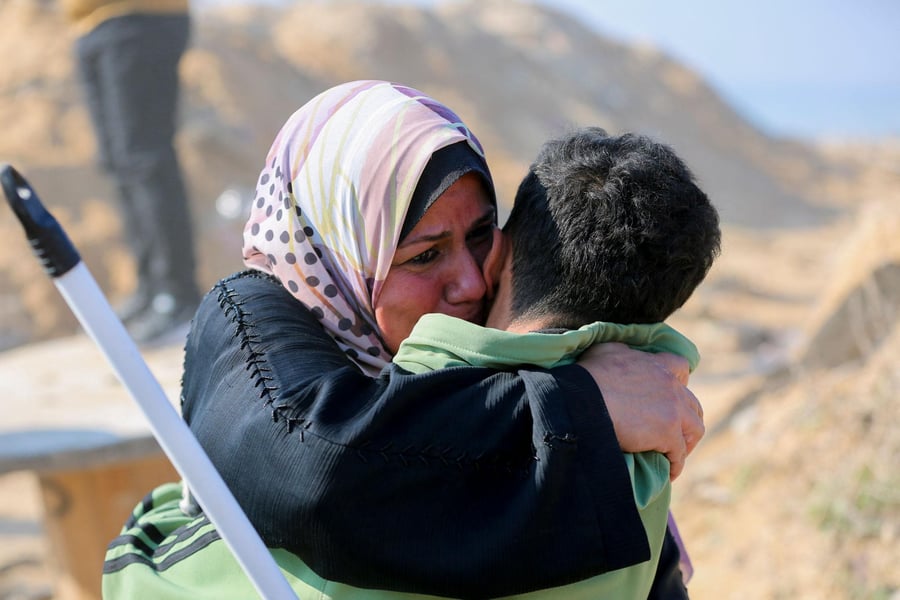
Eleven toddlers, originally rescued from Gaza’s Al Shifa Hospital during the early phase of the war, were reunited with their parents after more than two years. At the time, they were critically ill premature infants transported across borders without their families as fighting intensified.
For many parents, the separation was prolonged and traumatic. Families that welcomed their children back now live in tents or temporary shelters, a stark reminder of the destruction that has swept across Gaza.
The emotional reunions are overshadowed by widespread loss. Entire families have been killed, neighborhoods flattened, and survivors displaced multiple times. Today, a vast number of displaced Palestinians continue to struggle in overcrowded camps with limited access to food, water, and healthcare.
Healthcare System in Collapse
The evacuation of newborns was itself a symptom of a broader healthcare system collapse. Hospitals across Gaza have been damaged or destroyed, including neonatal units critical for premature infants.
Medical infrastructure has been decimated, with severe shortages of medicines, equipment, and trained personnel. Reports indicate that newborns are often forced to share incubators due to equipment shortages, increasing the risk of infection and mortality.
The destruction of healthcare services has far-reaching consequences. Preventable diseases, malnutrition, and untreated injuries are contributing to rising death rates, particularly among children and the elderly.
This systemic collapse has transformed Gaza into an environment where survival itself has become uncertain.
Children at the Center of the Crisis
Children remain the most vulnerable victims of the conflict. A generation is growing up amid trauma, displacement, and deprivation, with long-term consequences that may last decades.
Many children suffer from malnutrition, lack of access to vaccinations, and psychological distress. Humanitarian agencies warn that the situation could worsen without sustained intervention, as aid flows remain inconsistent and insufficient.

Humanitarian Aid Under Strain
The delivery of aid remains deeply constrained. While humanitarian assistance remains a lifeline for millions, access restrictions and logistical challenges have severely limited its effectiveness.
Food insecurity has reached alarming levels, with large segments of the population facing hunger. Aid agencies warn that without significant increases in supplies, conditions could deteriorate further.
Fuel shortages have also crippled essential services, including hospitals, water systems, and transportation, compounding the humanitarian crisis.
Destruction and Displacement
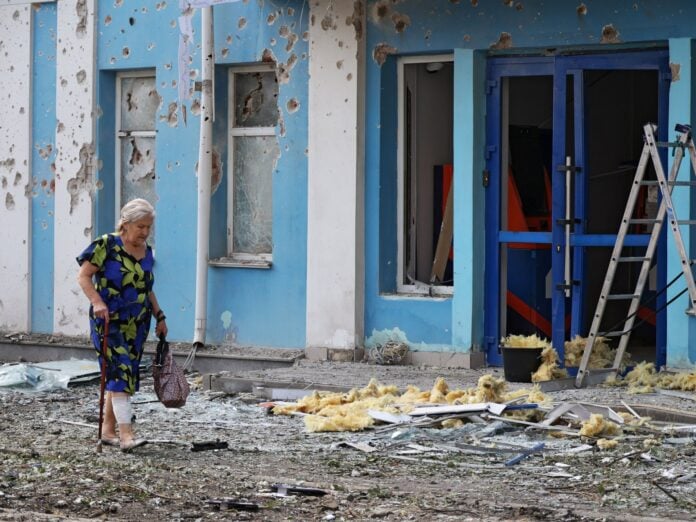
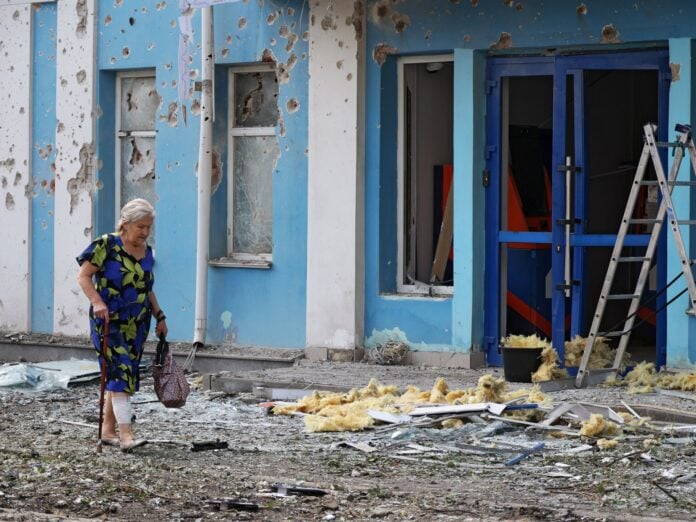
The scale of destruction across Gaza is immense. Homes, schools, and infrastructure have been reduced to rubble, leaving millions without shelter.
The ongoing destruction has forced repeated displacement, with families moving from one unsafe location to another in search of security.
Environmental conditions have worsened, with contaminated water, waste accumulation, and inadequate sanitation posing serious health risks.
Geopolitical Implications
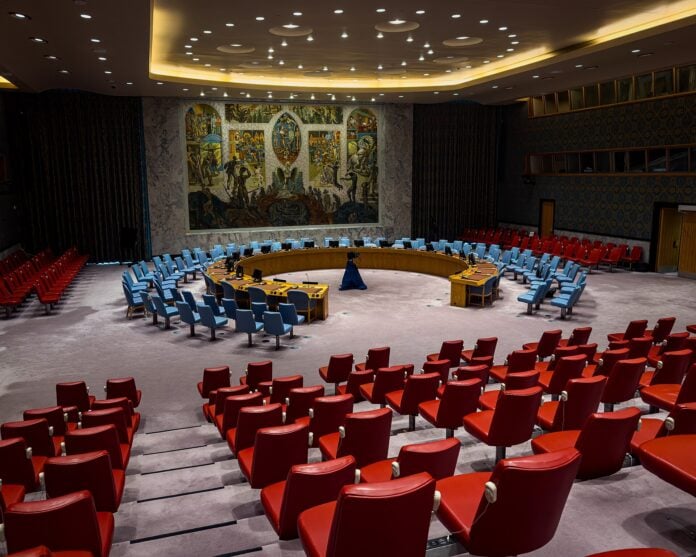
The Gaza genocide crisis reflects a broader pattern of geopolitical tensions shaping global responses to conflict. Calls for international accountability have intensified, with demands for investigations into alleged violations of international law.
At the same time, political divisions have complicated efforts to address the crisis, with competing interests influencing the pace and scope of international action.
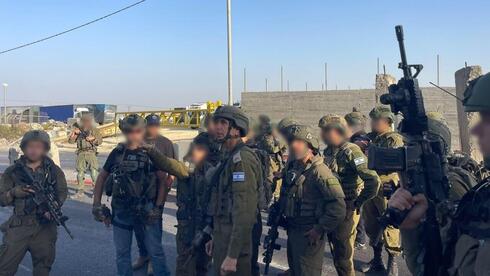
The situation also intersects with a wider regional conflict, raising concerns about escalation beyond Gaza.
A Generation Shaped by War
For Gaza’s children, the consequences of the conflict extend far beyond immediate survival. Education has been disrupted, healthcare systems dismantled, and communities fractured.
The long-term impact on mental health, development, and social stability is expected to be profound. Aid organizations warn that rebuilding Gaza will require not only physical reconstruction but also sustained support for an entire generation.
The reunited toddlers symbolize both survival and uncertainty. Their return is a moment of hope, but it also highlights the immense challenges that lie ahead.
The return of Gaza’s evacuated babies is a deeply emotional story, but it is also a stark reminder of a broader humanitarian disaster. It reflects the human cost of a conflict that has devastated infrastructure, displaced millions, and left lasting scars on an entire population.
As debates continue on the global stage, the reality for those on the ground remains unchanged. Families struggle to rebuild, children face uncertain futures, and the humanitarian crisis persists.
This ongoing humanitarian catastrophe demands sustained attention, accountability, and action to address the conditions that have brought Gaza to this point.