
The latest confrontation between Iran and Kuwait has opened a new fault line across the Persian Gulf, with Tehran accusing the Gulf monarchy of unlawfully attacking an Iranian vessel and detaining four Iranian citizens near a strategically sensitive island that has become increasingly tied to US military operations.
Iranian Foreign Minister Abbas Araghchi issued a sharply worded statement Wednesday night, accusing Kuwait of escalating tensions at a moment when the Gulf region remains deeply unstable following months of war, covert operations, and mounting military deployments involving the US and its regional allies.
“In clear attempt to sow discord, Kuwait has unlawfully attacked an Iranian boat and detained 4 of our citizens in the Persian Gulf,” Araghchi wrote on X, warning that Tehran reserved the right to retaliate if the detainees were not immediately released.
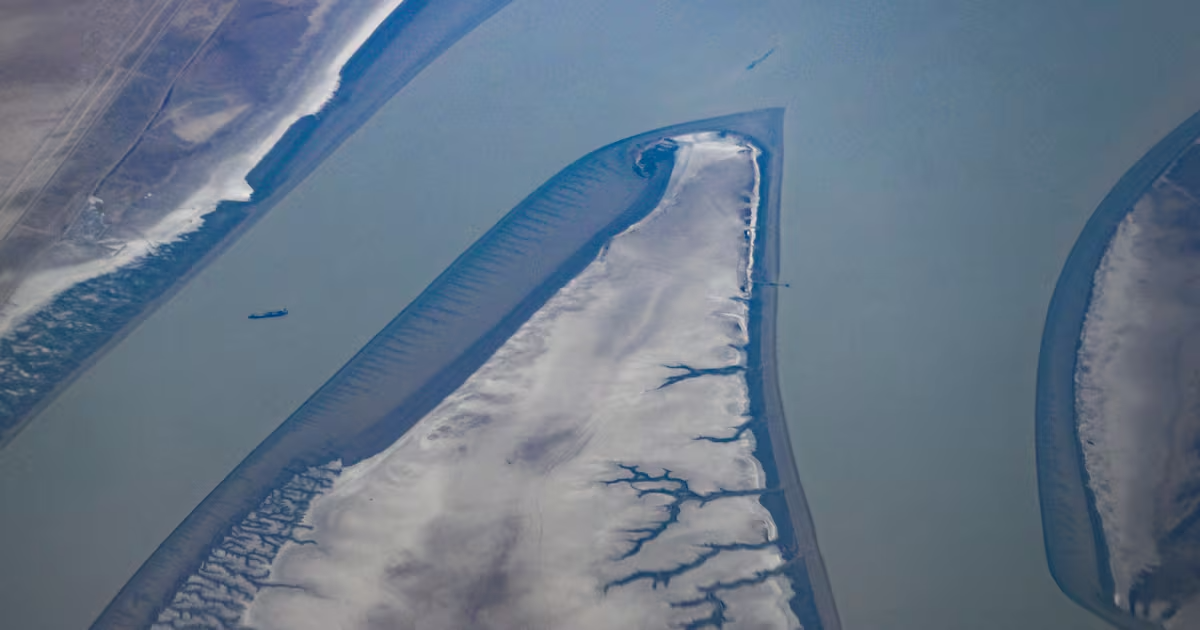
The incident centers on Bubiyan Island, Kuwait’s largest island, located near the Iraqi and Iranian maritime borders at the northern edge of the Persian Gulf. The island has grown in strategic importance over the past year as regional military tensions intensified and Gulf states expanded cooperation with US security operations.
Kuwaiti authorities presented a dramatically different version of events.
Kuwait’s Interior Ministry said security forces intercepted a group of men attempting to enter the country by sea earlier this month. According to Kuwaiti officials, Kuwait says four people affiliated with Iran’s IRGC arrested trying to enter by sea. Kuwaiti authorities said one security officer was injured during the confrontation.
Kuwait subsequently summoned Iran’s ambassador and lodged a formal diplomatic protest, describing the maritime infiltration as a direct threat to national sovereignty.
Tehran rejected the accusations as “absolutely baseless.”
Iranian officials insisted the four men were conducting a maritime patrol mission and accidentally crossed into Kuwaiti territorial waters after experiencing navigation interference and electronic disruptions. Tehran later said Iran condemns Kuwait’s arrest of four Iranians and demanded immediate consular access for the detainees.
The dispute arrives at an extraordinarily sensitive moment for the Gulf.
Although Kuwait traditionally maintained more balanced relations with Iran than some of its Gulf neighbors, the regional landscape shifted dramatically after the outbreak of the recent Middle East war reshapes Gulf security, during which Tehran accused several Gulf states of quietly facilitating US military operations.
Bubiyan Island emerged repeatedly in Iranian statements and regional intelligence reporting as an area connected to US logistical and military activity. A recent Guardian investigation titled UAE’s secret attack on Iran risks wider Gulf war highlighted growing fears across Gulf capitals of an expanding regional confrontation.
Araghchi directly referenced that wider conflict in his statement, claiming the alleged attack on the Iranian boat occurred near an island “used by the US to attack Iran.” Tehran has repeatedly warned Gulf monarchies against allowing their territory or military infrastructure to be transformed into a US military zone.
That accusation carries potentially explosive implications.
Since the start of the regional war earlier this year, Iran has increasingly framed Gulf cooperation with Washington as participation in a broader campaign aimed at weakening Iranian influence across the Middle East.
Security analysts say the current standoff reflects growing fears inside Gulf capitals that Iran may expand covert maritime operations and pressure campaigns in response to the strengthened US military footprint across the region. The Wall Street Journal recently reported how Gulf countries target alleged Iranian sabotage networks as tensions continue escalating.
Kuwait, Saudi Arabia, Bahrain, and the UAE have all intensified internal security operations over recent months, claiming to have disrupted alleged Iranian-linked sabotage cells, maritime infiltration attempts, and drone-related operations. Reuters also reported that Bahrain arrests dozens allegedly linked to Iran’s IRGC amid fears of a widening Gulf conflict.
The maritime confrontation has also highlighted the fragile security environment surrounding the Persian Gulf shipping lanes, where military vessels, energy infrastructure, and commercial traffic operate in close proximity to multiple regional flashpoints.
Even limited incidents in the area can rapidly escalate into broader diplomatic or military crises.
Bubiyan Island itself occupies a uniquely strategic location near the approaches to Iraq’s southern waterways and the northern Gulf shipping corridor. The island has hosted expanding infrastructure projects and increasingly sensitive security facilities over recent years, making it a focal point in regional defense planning.
Iranian officials have also linked the latest standoff to broader Hormuz shipping fears and concerns over maritime instability following months of attacks and military deployments across the Gulf.
The strategic importance of the Strait of Hormuz has again returned to the center of global attention as traders and governments monitor the risk of disruptions to energy exports and commercial shipping.
The standoff now risks deepening mistrust between Tehran and Kuwait at a time when Gulf governments remain deeply concerned about another wave of regional war escalation following the recent US-Iran confrontation.
Recent military reporting also suggested that Iran struck US forces relocated on Kuwait’s Bubiyan Island during earlier phases of the regional conflict, adding further sensitivity to the current crisis.
Energy markets remain increasingly nervous over the possibility of a prolonged Middle East energy crisis, especially as oil producers confront the risk of supply disruptions tied to maritime insecurity and military escalation.
Analysts also warn that the broader Hormuz crisis could deepen if diplomatic channels between Gulf states and Tehran continue deteriorating.
So far, neither side has signaled any diplomatic breakthrough.
Kuwait continues to defend the arrests as a legitimate act of national self-defense, while Iran has escalated its rhetoric by warning that it may respond if the detainees are not released.
The dispute underscores how quickly maritime incidents in the Persian Gulf can evolve into wider geopolitical crises involving regional powers, US military interests, and the fragile balance of security across one of the world’s most strategically important waterways.