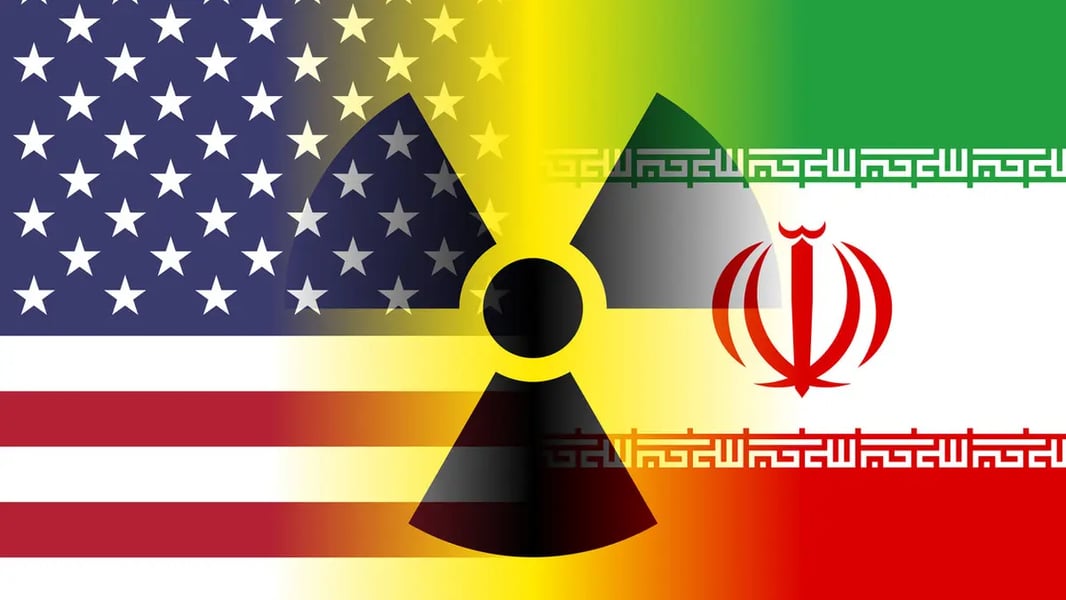

Iran has strongly denied reports claiming Tehran proposed suspending uranium enrichment above 3.6% for ten years as part of indirect contacts with the United States, dismissing the allegations as fabricated media speculation amid ongoing regional tensions.
According to Iran’s semi-official Tasnim News, an informed source familiar with the negotiation process rejected a report aired by Saudi-owned Al Arabiya that alleged Tehran had offered a long-term restriction on its nuclear activities in exchange for a broader understanding with Washington.
The source described the claims as “fundamentally false,” insisting that recent exchanges between Iran and the US have focused exclusively on ending hostilities and reducing military escalation rather than negotiating the future of Tehran’s nuclear program.
The denial comes at a sensitive moment in Middle East diplomacy, as indirect contacts with the United States remain active following months of confrontation across the region. Reports circulating in Arab and Western media had suggested that Iran was considering temporary limits on uranium enrichment as part of a possible de-escalation framework with the Trump administration.
Tasnim’s source, however, said no nuclear concessions were discussed in the latest messages exchanged between the two sides. The source emphasized that “all discussions at the current stage are exclusively related to ending the war,” while issues linked to uranium enrichment and Iran’s nuclear program remain outside the scope of present contacts.
Iranian officials have repeatedly argued that uranium enrichment is a sovereign right protected under the Nuclear Non-Proliferation Treaty (NPT), rejecting US demands for long-term suspension or dismantlement of enrichment facilities.
Earlier this month, US President Donald Trump publicly stated he would support an agreement requiring Iran to halt uranium enrichment for up to 20 years. Tehran swiftly rejected the proposal, saying it would not surrender nuclear rights under foreign pressure.
The latest controversy reflects the growing information war surrounding the future of Iran’s nuclear activities, with conflicting leaks and counterclaims emerging from multiple regional media outlets.
Iranian state-linked media have increasingly accused Gulf broadcasters and Western outlets of attempting to portray Tehran as backing down on key strategic principles. Similar reports earlier this month suggesting Iran was considering a multi-year enrichment pause or removal of enriched uranium stockpiles were also denied by Iranian sources.
Despite the denials, diplomatic maneuvering continues behind closed doors. Reports published earlier in May suggested Tehran had circulated proposals centered on sanctions relief, guarantees against future military attacks, and an end to regional hostilities. Nuclear dismantlement reportedly was not included in those proposals.
At the same time, Iran’s leadership has adopted a tougher public position following months of military pressure and threats from both Washington and Israel.
A Reuters report published this week said Iran’s Supreme Leader had ordered that enriched uranium stockpiles remain inside the country, rejecting a major US demand that Tehran transfer sensitive nuclear material abroad as part of any future agreement.
Iranian officials reportedly believe surrendering enriched uranium could leave the country vulnerable in the event of renewed attacks on its nuclear facilities. Tehran has also insisted that enrichment activities are necessary for civilian energy production, scientific research, and medical applications.
The issue remains one of the biggest obstacles in any future understanding between Iran and the US. Washington continues to push for strict limits on Iran’s nuclear capabilities, while Tehran insists that security guarantees, sanctions relief, and recognition of its sovereign rights must come first.
The dispute has intensified amid broader geopolitical tensions involving Israel, the Persian Gulf, and the future security balance of the Middle East. Iranian officials continue to accuse the US and its allies of using military threats and economic pressure to force strategic concessions from Tehran.
For now, Iranian media close to the establishment appear determined to publicly reject any narrative suggesting the country is prepared to freeze its nuclear ambitions for a decade under US terms, while future understanding between Iran and the US remains uncertain.
—Inputs from Sputnik.